
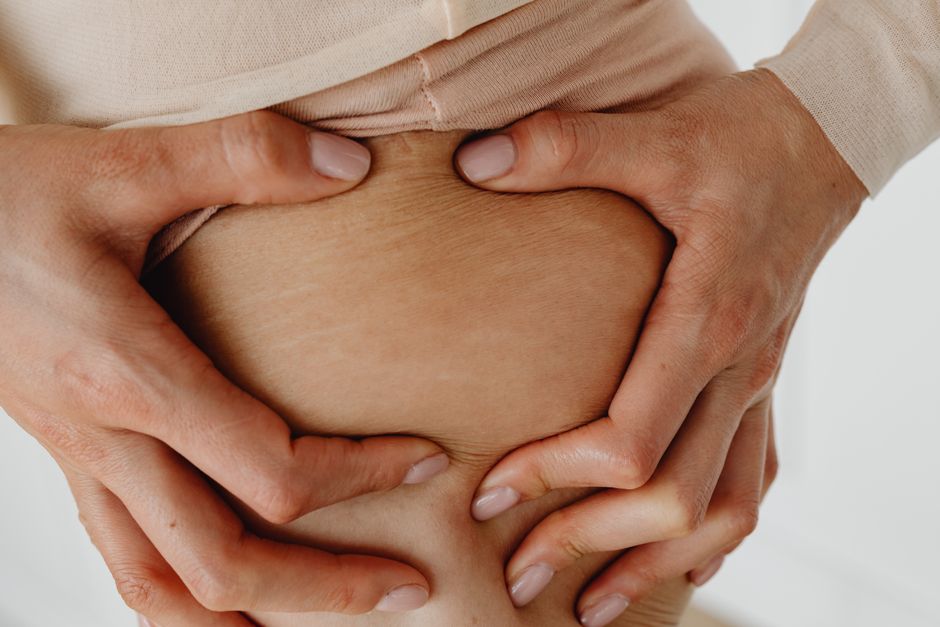
Chafing happens when skin rubs against skin or clothing repeatedly, causing irritation, redness, and sometimes raw skin. You stop it by keeping skin dry, reducing friction with lubricants or barriers, and treating irritated areas with gentle cleansing and healing ointments. The key is prevention before activity and proper care after damage occurs.
What Actually Causes Chafing?
Chafing is a mechanical injury. Friction strips away the outer layer of skin cells. Moisture makes it worse because wet skin is softer and more vulnerable to damage.
The most common areas are inner thighs, underarms, nipples, and the groin. These are places where skin moves against skin or where clothing seams press during repetitive motion. Running, walking long distances, cycling, and even everyday activities in humid weather can trigger it.
Sweat is the main culprit in most cases. Salt from dried sweat forms tiny crystals that act like sandpaper when you move. This is why chafing often appears after exercise or on hot days, not during sedentary time.
Body weight and body composition play a role too. More skin surface area in contact with other skin increases friction points. But thin people also chafe — it is not about size. It is about anatomy and movement patterns.
How To Stop Chafing: Prevention Methods That Work
Prevention is more effective than treatment. Once skin is raw, you have to wait for it to heal. Here is what the evidence supports for stopping chafing before it starts.
Friction-reducing products are the first line of defense. Petroleum jelly (Vaseline) is cheap and effective. It creates a slippery layer between skin surfaces. One study in the Journal of Athletic Training found that petroleum jelly significantly reduced skin friction during exercise compared to no product.
Specialty balms like Body Glide, Monistat Chafing Relief Powder Gel, and similar silicone-based products last longer than petroleum jelly. They do not melt or wash away as easily. Many runners and cyclists prefer them for long sessions.
Moisture management is just as important. Antiperspirants applied to chafe-prone areas reduce sweat. This sounds strange but it works. A 2012 study in Sports Medicine reported that antiperspirant use reduced chafing incidence in military personnel during training.
Powders absorb moisture and reduce friction. Cornstarch or talc-free body powders keep skin dry. But do not over-apply — clumps of powder can actually increase friction once they get wet.
Clothing choices matter more than most people realize. Tight compression shorts or leggings prevent skin-on-skin contact by holding everything in place. Loose cotton clothing absorbs sweat and bunches up, creating more friction points.
Moisture-wicking fabrics like polyester, nylon, or merino wool pull sweat away from skin. Cotton holds moisture against skin and increases chafing risk. This is not a marketing gimmick — it is basic fabric physics.
| Prevention Method | How It Works | Best For |
|---|---|---|
| Petroleum jelly | Lubricates skin surfaces | Short activities, sensitive skin |
| Silicone balms | Long-lasting barrier | Long runs, cycling, swimming |
| Compression clothing | Prevents skin contact | Thighs, groin, underarms |
| Antiperspirant | Reduces sweat | Hot weather, heavy sweaters |
| Body powder | Absorbs moisture | Everyday prevention |
What Does Research on Chafing Treatment Show?
Once chafing has happened, the goal is to protect the damaged skin and let it heal. The research on treatment is less robust than on prevention, but some principles are clear.
Clean the area with mild soap and water. Pat dry — do not rub. Then apply a barrier ointment. Zinc oxide paste (the same stuff in diaper cream) is widely used and supported by clinical experience. It creates a waterproof seal that protects raw skin from sweat and friction.
Petroleum jelly also works for mild chafing. It keeps the area moist and prevents scabs from cracking. But if the skin is broken, petroleum jelly can trap bacteria. Some dermatologists recommend using an antibiotic ointment like bacitracin or mupirocin if you see signs of infection — redness spreading, warmth, or pus.
Hydrocortisone cream (1%) can reduce inflammation and itching. But do not use it on broken skin. It slows healing by suppressing the immune response. Only use it if the skin is red and irritated but not raw.
Aloe vera gel is commonly recommended. Some people report it soothes the sting. There is no strong clinical evidence that it speeds healing, but it does not hurt. Just make sure it is pure aloe without added alcohol, which stings.
The most important treatment is rest. If you keep moving on chafed skin, it will not heal. Take a day or two off from the activity that caused it. If you must exercise, cover the area with a hydrocolloid bandage or medical tape over a non-stick pad.





What Are Common Mistakes People Make With Chafing?
Many people make chafing worse by doing things that seem logical but are not supported by evidence.
Using baby powder with talc is a bad idea. Talc can cause lung irritation if inhaled. The American Academy of Pediatrics recommends against talc-based powders for infants for this reason. Cornstarch-based powders are safer.
Applying rubbing alcohol or hydrogen peroxide to chafed skin is painful and counterproductive. These kill bacteria but also damage healthy skin cells. Soap and water is enough for cleaning.
Wearing looser clothing seems like it would help but often makes things worse. Loose fabric moves against skin and creates friction. Compression clothing that holds everything still is usually better — as long as it is not too tight and causing its own friction at the seams.
Ignoring early warning signs is the most common mistake. A mild sting or redness is your body telling you to stop or reapply lubricant. Pushing through it turns a minor irritation into a raw wound that takes days to heal.
Showering immediately after exercise without letting skin cool down first can also cause problems. Hot water on already irritated skin increases inflammation. Cool or lukewarm showers are better. Pat dry gently.
When Should You See a Doctor About Chafing?
Most chafing heals on its own within a few days with proper care. But some situations need medical attention.
If the skin is broken and you see signs of infection — increasing redness, warmth, swelling, pus, or red streaks radiating from the area — see a doctor. Infected chafing can turn into cellulitis, which requires antibiotics.
People with diabetes should be more cautious. Diabetes impairs blood flow and wound healing. Even mild chafing can become a serious problem. The CDC recommends that people with diabetes check their skin daily for any irritation or breaks.
If chafing keeps happening in the same spot despite good prevention, there may be an underlying issue. A skin fold condition called intertrigo, fungal infections (jock itch), or even a clothing allergy can mimic chafing. A dermatologist can tell the difference.
Recurrent chafing in the groin or inner thighs can also be a sign of lichen sclerosus, a chronic inflammatory skin condition. It is more common in women but affects men too. It looks like white, thin, wrinkled skin that tears easily. This needs a doctor’s diagnosis and prescription treatment.
How To Stop Chafing Causes Treatment Prevention: Practical Daily Routine
Here is a straightforward routine based on what the evidence supports. No gimmicks. No expensive products required.
- Before any activity that involves repetitive movement, apply a friction-reducing product to all areas where skin touches skin or where clothing seams press.
- Wear moisture-wicking or compression clothing. Avoid cotton underwear during exercise.
- If you sweat heavily, apply an antiperspirant to your inner thighs, groin, and underarms the night before activity.
- Carry a small tube of lubricant with you for reapplication during long activities.
- After activity, shower with cool water and mild soap. Pat dry. Do not rub.
- If you see any redness or feel any sting, apply a barrier ointment before the area gets worse.
- If skin is already raw, clean it gently, apply zinc oxide or petroleum jelly, and cover with a non-stick pad if needed.
- Take a rest day from the activity that caused it. Let the skin heal fully before repeating the same movement.
This routine works for most people. If it does not work for you after two weeks of consistent use, something else may be going on. See a dermatologist.
Frequently Asked Questions
What is the best product to stop chafing?
Petroleum jelly is the most studied and cheapest option. Silicone-based balms like Body Glide last longer during intense activity.
Can chafing heal overnight?
No. Mild chafing takes 24 to 48 hours to heal. Raw or broken skin can take three to seven days.
Does baby powder help chafing?
Cornstarch-based powder helps by absorbing moisture. Talc-based powder is not recommended due to inhalation risks.
Is chafing a sign of a medical problem?
Usually no. But if it keeps happening in the same spot despite good prevention, see a doctor to rule out a skin condition or infection.
