
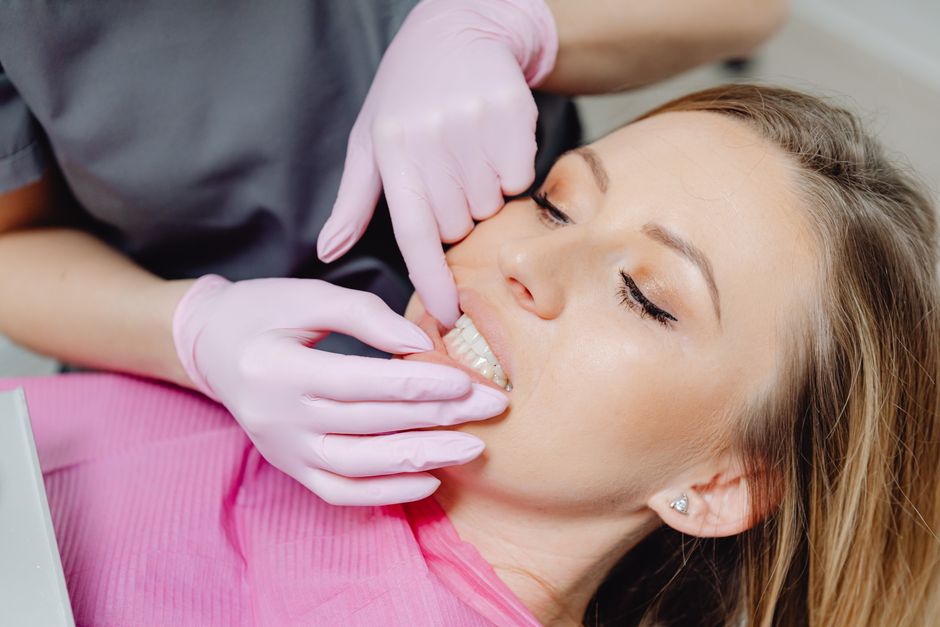
Gum recession happens when the tissue surrounding your teeth pulls back, exposing more of the tooth or its root. This is not a sudden event. It usually happens slowly over years. The main causes are aggressive brushing, gum disease, and genetics. Treatment depends on how far the recession has progressed. Mild cases may only need better brushing habits. Severe cases may require a gum graft from a dentist or periodontist.
What Exactly Causes Gums to Recede?
The most common cause is brushing too hard. Research published in the Journal of Periodontology found that people who brush with medium or hard bristles have significantly more gum recession than those who use soft bristles. Your gums are delicate tissue. Scrubbing them like a kitchen counter does damage over time.
Periodontal disease is the second major cause. This is a bacterial infection that destroys gum tissue and the bone that holds teeth in place. The CDC reports that nearly half of US adults aged 30 and older have some form of periodontal disease. When the infection advances, gums pull away from teeth creating pockets. Those pockets collect more bacteria and the cycle continues.
Other causes include:
- Genetics – Some people simply have thin gum tissue. You can inherit this.
- Teeth grinding or clenching – This puts too much pressure on teeth and gums.
- Crooked teeth or a misaligned bite – One tooth may take more force than others.
- Tobacco use – Smoking or chewing reduces blood flow to gum tissue.
- Lip or tongue piercings – Metal rubbing against gums can cause localized recession.
- Hormonal changes – Pregnancy and menopause can make gums more sensitive.
How Do I Know If My Gums Are Receding?
You might notice your teeth look longer than they used to. This is often the first visible sign. You may also see a notch at the gum line where the tooth meets the root. Some people feel sensitivity to hot or cold foods and drinks. That happens because the tooth root, which is not covered by enamel, gets exposed.
Other signs include a feeling that your teeth are loose or that your gums bleed when brushing. You might also see your gums look red or swollen. But here is the tricky part: gum recession can happen without pain. Many people do not notice it until a dentist points it out during a checkup. The American Dental Association recommends regular dental exams because early recession is hard to spot on your own.
If you are unsure, run your fingernail gently along the gum line of your front teeth. If you feel a dip or groove below where the gum should be, that is recession.
Can Receding Gums Grow Back on Their Own?
No. Once gum tissue is gone, it does not grow back. This is a hard truth that many online articles avoid. Gum tissue does not regenerate like skin or liver cells. The damage is permanent without professional treatment.
Some products claim to regrow gums. These are misleading. There is no over-the-counter cream, gel, or rinse that can regrow gum tissue. The Federal Trade Commission has taken action against companies making these claims because they lack clinical evidence. If a product promises to “regrow gums,” treat that claim with deep skepticism.
What you can do is stop the recession from getting worse. That is the realistic goal. With good habits and treatment, you can keep the gums you have. In some cases, a dentist can surgically graft new tissue to cover exposed roots. But that is not natural regrowth. It is a medical procedure that moves gum tissue from one part of your mouth to another.





What Treatments Actually Work for Gum Recession?
Treatment depends on the cause and severity. The first step is always addressing the root cause. If you brush too hard, switch to a soft-bristled toothbrush and use gentle circular motions. Many electric toothbrushes have pressure sensors that alert you when you press too hard. That is a useful feature.
For recession caused by gum disease, a deep cleaning called scaling and root planing can help. This removes plaque and tartar below the gum line. It allows the gums to heal and reattach to the tooth surface. A study in the Journal of Clinical Periodontology found that scaling and root planing significantly reduces pocket depth and slows recession progression.
For moderate to severe recession, surgical options exist. The most common is a gum graft. A periodontist takes tissue from the roof of your mouth or uses donor tissue and stitches it over the exposed root. This covers the root, reduces sensitivity, and prevents further bone loss. Recovery takes a couple of weeks. Most patients report it is uncomfortable but manageable.
Another option is the pinhole surgical technique. This is a newer, less invasive procedure. The dentist makes a small hole in the gum and gently loosens the tissue to slide it over the exposed root. No cutting or stitching is needed. Some studies suggest it has a shorter recovery time than traditional grafting. Long-term data is still limited compared to grafts.
| Treatment | Best For | Recovery Time | Evidence Strength |
|---|---|---|---|
| Better brushing habits | Mild recession, prevention | None | Strong – multiple studies |
| Scaling and root planing | Gum disease related recession | A few days | Strong – long-term research |
| Gum graft surgery | Moderate to severe recession | 1-2 weeks | Strong – decades of use |
| Pinhole technique | Moderate recession | A few days | Moderate – newer procedure |
What Should I Avoid If My Gums Are Receding?
Avoid hard-bristled toothbrushes entirely. Many people think hard bristles clean better. They do not. The ADA recommends soft or extra-soft bristles only. Hard bristles are designed for cleaning dentures, not natural teeth.
Avoid aggressive horizontal scrubbing. This is the classic back-and-forth sawing motion. It wears down both enamel and gum tissue. Instead, hold your brush at a 45-degree angle to the gum line and use short, gentle strokes. Electric toothbrushes with oscillating heads are better at this than manual brushes for most people.
Avoid whitening toothpastes if you have recession. Many contain abrasive particles like silica or calcium carbonate. These can wear down exposed root surfaces faster. The Journal of the American Dental Association published a review showing that some whitening toothpastes are more abrasive than standard fluoride pastes. If you need whitening, do it under dental supervision.
Avoid tobacco in any form. Smoking reduces blood flow to gums. That slows healing and makes recession worse. The CDC states that smokers are twice as likely to develop gum disease as non-smokers. Quitting does not reverse damage already done, but it stops further harm.
Avoid ignoring the problem. Gum recession does not fix itself. Left untreated, it can lead to tooth loss. The bone that holds teeth in place can deteriorate when roots are exposed for years. Early action is the only way to preserve your teeth long-term.
Why Are My Gums Receding Causes And Treatment – What the Evidence Shows
Research consistently points to three main factors: mechanical damage from brushing, bacterial damage from gum disease, and genetic predisposition. A large study published in the Journal of Periodontology followed over 1,000 adults for five years. It found that people who brushed with medium or hard bristles had 2.5 times more recession than soft-bristle users. That is a clear, actionable finding.
The same study showed that recession was more common on the left side of the mouth for right-handed people. Why? Because right-handed people tend to brush the left side harder. That small detail tells you how much brushing technique matters.
For treatment, the evidence favors early intervention. A 2019 review in the International Journal of Dentistry looked at dozens of studies on gum recession treatments. It concluded that non-surgical treatments like scaling and root planing are effective for mild to moderate cases. For severe recession, surgical grafts have the best long-term success rates. The review also noted that the pinhole technique shows promise but needs more long-term data.
One non-obvious insight: your bite matters more than most people realize. If your teeth do not meet properly, one tooth may take excessive force when chewing. That force can push the tooth and cause the gum to recede on that specific tooth. A dentist can adjust your bite with minor reshaping or an orthotic device. This is often overlooked in standard gum recession treatment.
Frequently Asked Questions
Can gum recession be reversed naturally?
No natural method can reverse gum recession. Once gum tissue is lost, it does not grow back. Professional treatment is needed to cover exposed roots.
Is gum recession painful?
Not always. Many people feel no pain at all. Pain or sensitivity usually appears when the tooth root becomes exposed to air, cold, or hot foods.
How fast does gum recession progress?
It varies widely. Some people see no change for years. Others lose noticeable gum tissue within months, especially if they have active gum disease or brush aggressively.
Should I see a dentist for receding gums?
Yes. A dentist can measure the recession, identify the cause, and recommend treatment. Early treatment prevents further damage and tooth loss.
