
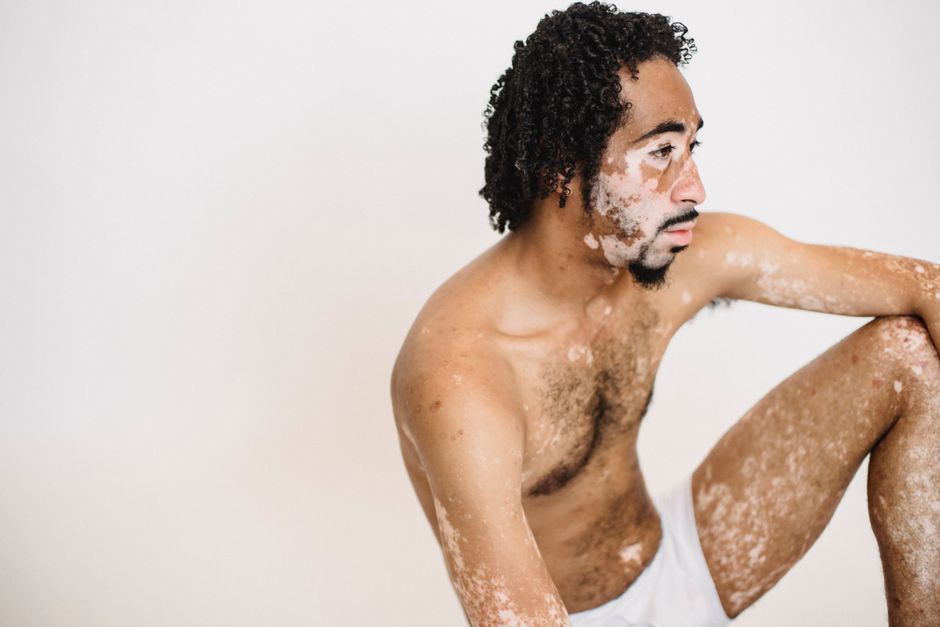
Yes, there are treatments for vitiligo, including prescription creams, light therapy, and other medical options. No single treatment works for everyone, and results vary widely. The goal of most treatments is to restore color to the white patches or to even out skin tone.
What Causes Vitiligo and Why Does Treatment Matter?
Vitiligo happens when your immune system attacks the cells that make pigment. These cells are called melanocytes. When they stop working, white patches appear on the skin.
This is not an infection. You cannot catch it from someone else. The exact cause is not fully understood, but the National Institute of Arthritis and Musculoskeletal and Skin Diseases notes it is an autoimmune condition. It often runs in families.
Treatment matters because vitiligo can affect more than just skin. Many people feel self-conscious about the patches. Some avoid social situations. Research published in the Journal of the American Academy of Dermatology has found that vitiligo can lower quality of life similar to other chronic skin conditions. Treatment can help restore pigment and improve confidence.
What Are the Most Common Prescription Creams for Vitiligo?
Topical corticosteroids are often the first treatment doctors try. These are anti-inflammatory creams that can help return color to small patches. The American Academy of Dermatology says they work best on the face and neck. They are less effective on hands and feet.
Another class of creams is topical calcineurin inhibitors. These include tacrolimus and pimecrolimus. They are not steroids, so they do not cause skin thinning. Some studies suggest they work well on the face and sensitive areas. The FDA has approved them for eczema, but doctors often prescribe them off-label for vitiligo.
JAK inhibitor creams are a newer option. Ruxolitinib cream (brand name Opzelura) is the first FDA-approved topical treatment specifically for vitiligo. Clinical trials showed it can restore significant pigment in many patients. It works by blocking a signal that tells the immune system to attack melanocytes.
These creams are not quick fixes. Most require daily application for months before you see results. Your doctor will tell you how long to use them and watch for side effects.
How Does Light Therapy Help Restore Skin Color?
Light therapy, also called phototherapy, exposes the skin to ultraviolet light. This stimulates melanocytes to produce pigment again. It is one of the most effective treatments for widespread vitiligo.
The most common type is narrowband UVB. You stand in a light box for a few minutes several times a week. Sessions are usually done at a dermatologist’s office or a clinic. Home units are available but require careful supervision.
Excimer laser is another option. It delivers a focused beam of UVB light to small patches. It works well for limited areas like the face or hands. A 2020 review in Dermatologic Therapy found that excimer laser combined with topical treatments gave better results than either alone.
PUVA therapy uses a drug called psoralen plus UVA light. It is older and less common now because narrowband UVB is safer and just as effective. PUVA can cause nausea and increases skin cancer risk more than UVB.
Results from light therapy take time. Most people need 20 to 40 sessions before they see change. Maintenance treatments may be needed to keep the color.





Is There Treatment For Vitiligo Creams Light More? What About Surgery and Other Options?
Yes, treatment options go beyond creams and light therapy. For people with stable vitiligo — meaning no new patches in at least a year — surgical options exist.
Skin grafting takes healthy pigmented skin from one area and moves it to a white patch. This works best for small, stable patches. The donor site heals like a scrape. Results can be good, but there is a risk of scarring or infection.
Blister grafting creates a small blister on pigmented skin using suction. The top of the blister is then transferred to the white patch. This method causes less scarring than traditional grafting.
Cell transplants are a newer surgical approach. Doctors take a small sample of pigmented skin, grow the melanocytes in a lab, and then implant them into white patches. This can cover larger areas with less donor skin. A 2019 review in Dermatologic Surgery reported success rates above 80% in some studies.
Depigmentation is an option for people who have vitiligo on more than 50% of their body. It uses a cream called monobenzone to remove the remaining pigment. The goal is to create a uniform skin tone. This is permanent and makes you very sensitive to the sun.
Camouflage products like makeup or self-tanners do not treat the condition, but they can cover patches. Many people find this helpful for special occasions or daily life.
What Does the Evidence Say About Natural and Alternative Treatments?
You may see claims online about herbs, vitamins, or diets that cure vitiligo. Strong evidence for most of these is limited.
Some studies suggest that vitamin D, vitamin B12, and folic acid supplements might help when used alongside medical treatment. The idea is that these nutrients support melanocyte function. But the research is not consistent enough to recommend them as a standalone treatment.
Ginkgo biloba is sometimes promoted for vitiligo. A few small studies have shown modest repigmentation. But larger, well-designed trials are missing. The National Center for Complementary and Integrative Health says evidence is insufficient to support its use.
Turmeric and curcumin creams are widely claimed to help, but there is no clinical evidence that they repigment skin. Some people report irritation from these products.
A gluten-free diet is sometimes suggested because vitiligo is linked to other autoimmune conditions like celiac disease. If you have celiac disease, a gluten-free diet is essential. But for people without celiac, there is no evidence that dietary changes improve vitiligo.
Be skeptical of any product that promises a quick cure. Vitiligo treatment takes time. If something sounds too good to be true, it likely is.
Comparison Table: Common Vitiligo Treatments
| Treatment | How It Works | Best For | Time to See Results |
|---|---|---|---|
| Topical corticosteroids | Reduce immune attack on melanocytes | Small patches, especially on face | 3-6 months |
| JAK inhibitor creams (ruxolitinib) | Block immune signals that destroy pigment | Non-segmental vitiligo, body and face | 3-6 months |
| Narrowband UVB phototherapy | Stimulate melanocytes with UV light | Widespread vitiligo | 20-40 sessions |
| Excimer laser | Focused UVB on small areas | Limited patches on face or hands | 12-24 sessions |
| Skin grafting | Transfer pigmented skin to white patches | Stable, small patches | Immediate, full color in months |
| Depigmentation (monobenzone) | Remove remaining pigment for uniform tone | Vitiligo covering >50% of body | 6-12 months |
Common Misconceptions About Vitiligo Treatment
One common myth is that vitiligo is caused by something you ate or did. It is not. It is an autoimmune condition. No amount of diet change or lifestyle adjustment will make it go away on its own.
Another misconception is that treatment works the same for everyone. It does not. What works for one person may do nothing for another. The location of patches matters. The face and neck respond better to treatment than hands and feet.
Some people believe that once you start treatment, you must continue forever. This is not always true. Some people achieve lasting repigmentation. Others need maintenance treatments. Your dermatologist can help you understand what to expect.
There is also a belief that vitiligo creams cause skin cancer. This is not supported by evidence. Topical corticosteroids can cause skin thinning if overused. JAK inhibitors carry a boxed warning for certain risks, but they are considered safe when used as prescribed. Always discuss risks with your doctor.
Finally, many people think vitiligo treatment is only for cosmetic reasons. While appearance is a major concern, treatment can also prevent the condition from spreading. Some treatments, like JAK inhibitors, can stop new patches from forming.
What to Avoid When Considering Treatment Options
Avoid buying unregulated creams online. Many contain high-dose steroids or other ingredients that can harm your skin. Stick to products prescribed by a dermatologist.
Avoid tanning beds. They emit UVA light that is not effective for vitiligo and increases skin cancer risk. Narrowband UVB from a medical device is different and safer.
Avoid combining treatments without medical advice. Using multiple creams or light sources on your own can cause burns or other damage. Your doctor can create a safe treatment plan.
Avoid expecting overnight results. Vitiligo treatment is slow. Patience is key. If a product promises rapid repigmentation, it is almost certainly a scam.
Avoid stopping treatment suddenly without talking to your doctor. Some treatments require gradual tapering. Stopping abruptly can cause the vitiligo to flare.
Frequently Asked Questions
Can vitiligo be cured completely?
There is no cure for vitiligo, but many treatments can restore significant pigment. Some people achieve near-complete repigmentation with consistent treatment.
Do vitiligo creams work on hands and feet?
Hands and feet are the hardest areas to treat. Creams and light therapy are less effective there. Surgical options may work better for stable patches on these areas.
Is light therapy safe for children with vitiligo?
Narrowband UVB phototherapy is considered safe for children when supervised by a dermatologist. It is often used for children with widespread vitiligo.
How much does vitiligo treatment cost?
Costs vary widely. Creams can cost $30 to several hundred dollars per month. Light therapy sessions range from $20 to $100 each. Insurance may cover some treatments.
