
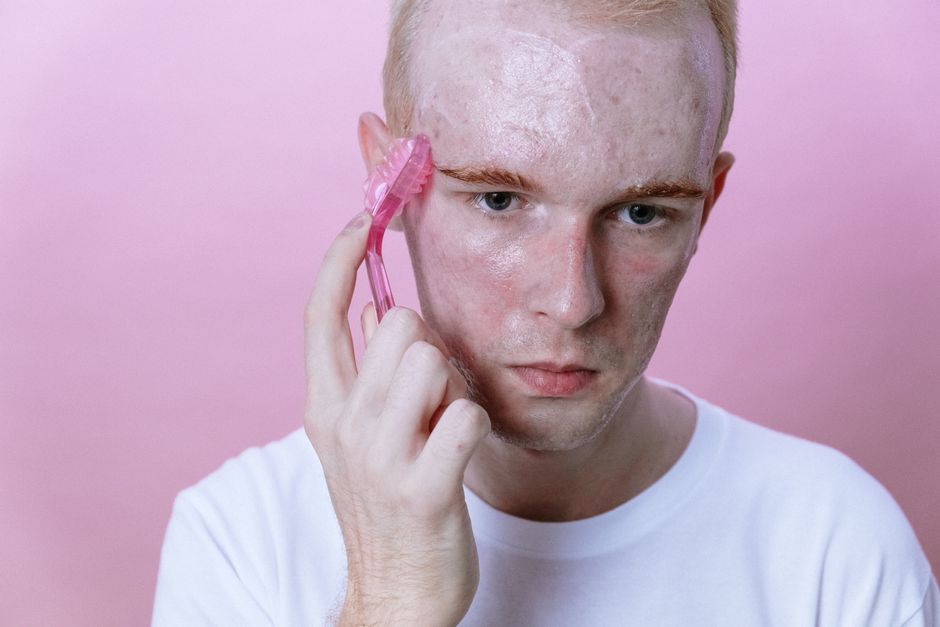
Chin acne is driven by the same basic process as acne anywhere else: pores clogged with oil and dead skin cells, which then become inflamed. But the chin has unique features that make it a hotspot. Hormones are the biggest trigger, because the chin and jawline have a high density of androgen receptors. When hormones fluctuate, oil production spikes, and breakouts follow. Add friction from masks, phones, or hands, and you have a clear picture of why your chin keeps breaking out.
What Causes Acne On Your Chin Triggers And Treatments?
The short answer is hormones, but the full picture is more specific. Androgens, which include testosterone, stimulate sebaceous glands to produce more oil. Both men and women have androgens, but women experience cyclical hormone shifts that directly affect the chin. Estrogen and progesterone levels change throughout the menstrual cycle. Right before your period, estrogen drops and androgens have a relatively stronger effect. That is why many women see chin breakouts in the week before their period starts.
Stress plays a role too. Cortisol, the stress hormone, can increase oil production. When you are under chronic stress, your skin may produce more oil, and your skin barrier may heal more slowly. This combination makes it easier for pores to clog and for pimples to linger longer than they normally would.
Treatments for chin acne target oil production, bacteria, and inflammation. Over-the-counter benzoyl peroxide kills acne bacteria and helps clear clogged pores. Salicylic acid exfoliates inside the pore and helps prevent future clogs. Adapalene, now available without a prescription, is a retinoid that normalizes how skin cells shed, which keeps pores from getting blocked in the first place.
Is Chin Acne Always Hormonal?
No. Hormones are the most common trigger, but they are not the only cause. Mechanical factors matter. Resting your chin on your hand transfers oil and bacteria to the skin. Phone screens pressed against your cheek and chin do the same. Masks that rub against the chin trap heat and moisture, which can irritate pores and trigger breakouts. This pattern is common enough that dermatologists see it regularly and often refer to it as maskne.
Cosmetic products can clog pores too. Heavy moisturizers, thick foundations, and certain sunscreens contain ingredients that block follicles. If you break out only on your chin and use a rich product there, the product may be the culprit. Look for labels that say non-comedogenic, which means the product is less likely to clog pores. But that label is not a guarantee. If a product causes breakouts, stop using it and see if your skin clears.
Diet is a debated topic. Some research suggests that high-glycemic diets and dairy may worsen acne in some people. The evidence is not strong enough to say everyone with acne should cut out dairy or sugar. If you notice a clear pattern between certain foods and your breakouts, you can try eliminating that food for a few weeks to see if your skin improves. This is a personal experiment, not a universal prescription.
How Is Chin Acne Different From Other Acne?
Location matters in dermatology. The chin and jawline are considered the “hormonal zone” of the face. Acne in this area tends to be deeper and more cystic than acne on the forehead or nose. These deeper bumps are often tender and do not come to a head. They take longer to heal and are more likely to leave dark spots or scars.
Forehead and nose acne is more often linked to oiliness and pore size, not hormones. The T-zone has larger sebaceous glands and produces more oil overall. Chin acne, by contrast, is more likely to be driven by hormonal shifts that increase oil production in follicles that are already sensitive to androgens.
This difference matters for treatment. Topical treatments work, but hormonal acne often responds better when the underlying hormone signal is addressed. That is why birth control pills and spironolactone are common treatments for women with persistent chin acne. These medications reduce androgen activity or lower androgen levels, which directly reduces oil production.





What Treatments Work Best For Chin Acne?
The best treatment depends on whether your acne is mild, moderate, or severe. For occasional chin pimples, spot treatments with benzoyl peroxide or salicylic acid are usually enough. For persistent breakouts, a daily routine with a retinoid like adapalene is more effective because it prevents pores from clogging in the first place.
For women with hormonal acne that does not respond to topical treatments, prescription options exist. Combination birth control pills containing estrogen and progestin are FDA-approved for acne treatment. They work by suppressing ovarian androgen production. Spironolactone is a pill that blocks androgen receptors and reduces oil production. It is widely used by dermatologists for hormonal acne in women, though it is not FDA-approved specifically for acne. This is an off-label use, but it is supported by substantial clinical experience and research.
Isotretinoin, formerly known as Accutane, is reserved for severe, scarring, or treatment-resistant acne. It is highly effective but requires close medical monitoring due to side effects. It is not a first-line treatment for chin acne unless the acne is severe and has not responded to other options.
For deep cystic bumps, dermatologists can inject corticosteroids directly into the lesion. This reduces inflammation quickly, often within 24 to 48 hours. This is an in-office procedure, not something you can do at home.
What Should You Not Do To Chin Acne?
Do not pick, squeeze, or pop chin pimples. This is especially important for deep cystic acne. Squeezing pushes bacteria and oil deeper into the skin, which makes the inflammation worse. It also increases the risk of scarring and dark spots that can take months to fade.
Do not over-wash or over-exfoliate. Washing your face more than twice a day strips the skin of natural oils. Your skin responds by producing more oil to compensate, which can make acne worse. Harsh scrubs and physical exfoliants can damage the skin barrier and increase inflammation. Stick to a gentle cleanser and one active ingredient at a time.
Do not apply thick, heavy products to active breakouts. A thick layer of moisturizer or ointment can trap oil and bacteria in the pore. Use lightweight, oil-free moisturizers if your skin is dry. If your skin is oily, you may not need a moisturizer at all, though many dermatologists still recommend a light one to maintain barrier function.
When Should You See A Dermatologist For Chin Acne?
See a dermatologist if your chin acne is painful, deep, or leaving scars. Over-the-counter treatments are designed for mild acne. If you have been using them consistently for 8 to 12 weeks without improvement, a prescription treatment is likely needed.
See a dermatologist if your acne appears suddenly and severely in adulthood, especially if you are a woman. Sudden severe acne can be a sign of an underlying hormonal condition like polycystic ovary syndrome, or PCOS. Other signs include irregular periods, excess facial hair, and thinning scalp hair. These symptoms warrant a medical evaluation, not just a skincare routine.
If you are pregnant or planning to become pregnant, talk to a doctor before using any acne treatment. Many prescription acne medications, including spironolactone and isotretinoin, are not safe during pregnancy. Some topical treatments, like adapalene, are also not recommended during pregnancy due to limited safety data. Your doctor can recommend options that are safe for you and your baby.
How Long Does It Take For Chin Acne To Clear?
Topical treatments take time. Retinoids like adapalene typically take 8 to 12 weeks to show visible improvement. They can also cause an initial purge, where acne gets worse before it gets better. This happens because the retinoid speeds up cell turnover and brings deep clogs to the surface faster. This is normal and does not mean the treatment is failing.
Hormonal treatments like birth control pills and spironolactone take 3 to 6 months to reach full effect. They work by changing hormone levels, which is a slower process than topical treatment. Patience is necessary. Stopping after a few weeks because you see no improvement is the most common reason these treatments fail.
Individual pimples follow their own timeline. A superficial whitehead may resolve in a few days. A deep cystic bump can take weeks to fully resolve, even with treatment. The key is consistency with your routine and avoiding picking, which resets the healing clock.
Frequently Asked Questions
Does toothpaste get rid of chin acne?
No. Toothpaste is not an acne treatment and can irritate the skin. Use a benzoyl peroxide spot treatment instead.
Can chin acne be a sign of pregnancy?
Hormonal changes in early pregnancy can cause breakouts, but acne alone is not a reliable sign of pregnancy. If you suspect pregnancy, take a test or see a doctor.
Is chin acne caused by poor hygiene?
No. Acne is not caused by dirt. Washing your face more often will not clear chin acne and may make it worse by irritating the skin.
Does dairy cause chin acne?
Some research suggests a link between dairy and acne in certain people, but the evidence is not strong enough to recommend everyone avoid dairy. If you notice a clear pattern, try eliminating it for a few weeks to see if your skin changes.
