
Many pregnant women worry about gaining too much weight and ask how to stay small during pregnancy while keeping their baby healthy. The short answer is that you should not try to lose weight or restrict calories during pregnancy unless your doctor specifically tells you to. The safest approach is to gain the right amount of weight for your body — not too little and not too much — by eating nutrient-dense foods and staying active in ways that are safe for pregnancy. This article explains what the evidence actually says about managing pregnancy weight gain without harming you or your baby.
Is It Safe to Try to Stay Small During Pregnancy?
No, actively trying to stay small or lose weight during pregnancy is not safe for most women. The American College of Obstetricians and Gynecologists (ACOG) states that weight loss during pregnancy increases the risk of preterm birth and low birth weight. Your baby needs a steady supply of calories, vitamins, and minerals to grow properly.
What is safe is managing weight gain within recommended ranges. The Institute of Medicine (IOM) publishes guidelines based on your pre-pregnancy body mass index (BMI). Women who start at a normal weight (BMI 18.5–24.9) should gain 25 to 35 pounds total. Women who start overweight (BMI 25–29.9) should gain 15 to 25 pounds. Women who start obese (BMI 30 or higher) should gain 11 to 20 pounds. These numbers are not suggestions — they are backed by decades of research on outcomes for both mother and baby.
Trying to stay below these ranges is not staying small. It is under-gaining, and it carries real risks.
What Actually Causes Excess Weight Gain in Pregnancy?
Understanding what drives weight gain helps you control it without dangerous restriction. Most excess pregnancy weight comes from three things: eating more calories than needed, low physical activity, and fluid retention that goes beyond normal levels.
During the second and third trimesters, you only need about 300 to 450 extra calories per day — roughly the amount in a yogurt with fruit and a handful of nuts. Many women double this without realizing it. Cravings are real, but they do not require full indulgence every time.
Fluid retention is normal, but sudden or excessive swelling can signal preeclampsia. This is not something to manage on your own. If your weight jumps more than 5 pounds in a week, call your provider.
How To Stay Small During Pregnancy: What the Evidence Says
The research is clear on what works for healthy weight management in pregnancy. A 2021 review published in the Journal of the Academy of Nutrition and Dietetics found that women who received structured nutrition counseling gained less weight on average than those who did not. The key was not a restrictive diet but education on portion sizes and food choices.
Physical activity is equally important. ACOG recommends 150 minutes of moderate-intensity aerobic activity per week for pregnant women without medical complications. This means brisk walking, swimming, or stationary cycling. A 2019 study in Medicine & Science in Sports & Exercise showed that women who met these guidelines gained 2 to 4 fewer pounds on average than sedentary women.
What does not work are fad diets, detoxes, or meal skipping. These cause blood sugar swings, nutrient deficiencies, and stress on your body. The evidence is consistent: slow, steady gain within IOM ranges is the only proven safe target.


What Foods Help You Stay Within Healthy Weight Ranges?
You do not need a special pregnancy diet. You need a pattern of eating that prioritizes protein, fiber, and healthy fats while limiting added sugar and refined carbs. This naturally controls calories without hunger.
- Protein at every meal — eggs, Greek yogurt, lean meat, beans, tofu. Protein keeps you full and supports fetal growth.
- Vegetables first — fill half your plate with non-starchy vegetables. They provide volume without many calories.
- Whole grains instead of white — oats, quinoa, brown rice, whole wheat bread. Fiber slows digestion and stabilizes blood sugar.
- Water before snacks — thirst is often mistaken for hunger. Drink a full glass and wait 10 minutes before eating.
- Limit liquid calories — juice, soda, sweetened coffee drinks add 100 to 300 calories each with no fullness benefit.
One non-obvious insight: eating enough protein early in the day reduces cravings later. A 2020 study in Nutrients found that pregnant women who ate 25 to 30 grams of protein at breakfast had fewer afternoon sugar cravings than those who ate a carb-heavy breakfast. This is a simple shift with real impact.
What Activities Are Safe for Managing Weight in Pregnancy?
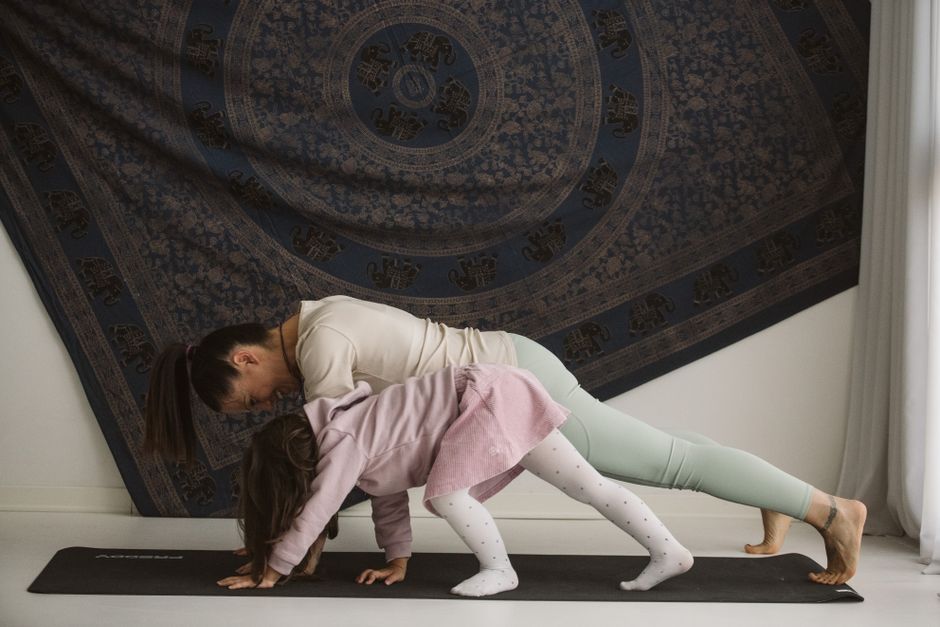
Exercise during pregnancy is safe for most women and directly helps control weight gain. The key is choosing activities that do not risk falls or abdominal trauma.
| Activity | Safe for most pregnancies | Notes |
|---|---|---|
| Walking | Yes | Lowest risk. Start at 20 minutes, build to 45. |
| Swimming | Yes | Supports joints. Good for third trimester. |
| Stationary cycling | Yes | No fall risk. Adjust seat as belly grows. |
| Prenatal yoga | Yes | Avoid hot yoga and deep twists. |
| Running | If already a runner | Do not start running during pregnancy. |
| Weightlifting | Modified only | Avoid heavy loads and lying flat on back. |
Stop any activity if you feel dizzy, have pain, or notice bleeding. Always check with your provider before starting a new exercise routine, especially if you have high blood pressure, placenta previa, or a history of preterm labor.
What Common Myths About Staying Small Should You Ignore?
There is a lot of bad advice online. One myth is that eating for two means doubling your calories. It does not. As mentioned, you only need about 300 extra calories in the second trimester and 450 in the third. That is not a second meal.
Another myth is that avoiding carbohydrates keeps your belly small. Carbohydrates are your body’s primary fuel and your baby’s main energy source. Restricting them can lead to ketosis, which is not recommended in pregnancy. The issue is not carbs — it is refined carbs like white bread and pastries. Choose whole food sources instead.
A third myth is that weight gain means you are not staying small enough. Some gain is water, blood volume, amniotic fluid, the baby, the placenta, and the uterus. Only about 30 to 40 percent of total pregnancy weight is actual fat. The rest is structural and necessary. Judging yourself by the scale alone misses this reality.
When Should You Be Concerned About Your Weight?
Rapid weight gain — more than 5 pounds in a week — is a red flag. It can indicate preeclampsia, a serious condition involving high blood pressure and organ damage. Other warning signs include severe headaches, vision changes, and upper stomach pain. If you notice these, call your provider immediately.
Slow gain or no gain in the second or third trimester is also a concern. Your baby is growing rapidly during this time. If you are not gaining, your baby may not be getting enough. Your provider will track growth with ultrasound and fundal height measurements. Trust those numbers more than your own scale.
Some women naturally gain less because they start at a higher BMI. That is different from actively restricting. The IOM guidelines already account for this by recommending lower total gains for overweight and obese women. If you are within or near those ranges, you are likely on track.
Frequently Asked Questions
Can I diet while pregnant to stay small?
No, dieting or restricting calories is not safe during pregnancy. It can deprive your baby of essential nutrients needed for brain and organ development.
How much weight should I gain if I am overweight?
The IOM recommends 15 to 25 pounds total if your pre-pregnancy BMI is in the overweight range. Your doctor may adjust this based on your individual health.
Is it normal to not gain weight in the first trimester?
Yes, many women gain little or no weight in the first trimester due to nausea and food aversions. Weight gain typically picks up in the second trimester.
Can exercise help me stay small during pregnancy?
Yes, moderate exercise like walking or swimming helps manage weight gain within healthy ranges. Aim for 150 minutes per week after checking with your provider.
