
Bleeding during pregnancy can be alarming, but it is not always a sign of trouble. For many women, light spotting is a normal part of early pregnancy. The key difference is the amount, color, and timing. Light spotting that is pink or brown and lasts only a day or two is often harmless. Heavy bleeding like a period, bright red blood, or bleeding with cramps requires immediate medical attention. Research published in the journal Obstetrics & Gynecology estimates that 15 to 25 percent of pregnant women experience some bleeding in the first trimester, and about half of those pregnancies continue without issues.
What Causes Bleeding in Early Pregnancy?
Bleeding in the first 12 weeks is the most common type. The causes range from completely normal to serious. The most common normal cause is implantation bleeding. This happens when the fertilized egg attaches to the uterine lining, usually around the time of your expected period. It is typically very light pink or brown spotting that lasts a few hours to two days.
Another common cause is cervical changes. During pregnancy, the cervix gets more blood flow and becomes softer. A pelvic exam, sex, or a pap smear can irritate it and cause light spotting. This is not dangerous. Some women also have a subchorionic hematoma, which is a small collection of blood between the uterine wall and the pregnancy sac. These often resolve on their own, though larger ones may need monitoring.
More serious causes include miscarriage and ectopic pregnancy. Miscarriage bleeding often starts light and gets heavier, with bright red blood and clots. Cramping and tissue passage are common. Ectopic pregnancy, where the embryo implants outside the uterus, causes bleeding plus sharp pelvic pain, often on one side. This is a medical emergency. The CDC reports that ectopic pregnancies occur in about 2 percent of all pregnancies.
How Much Bleeding During Pregnancy Is Normal in the Second and Third Trimesters?
Bleeding after the first trimester is less common and more concerning. The American College of Obstetricians and Gynecologists (ACOG) states that only about 3 to 5 percent of women bleed in the second or third trimester. Light spotting can still happen after sex or a cervical exam, but any bleeding at this stage should be checked by a doctor.
Heavy bleeding in late pregnancy may signal a problem with the placenta. Placenta previa occurs when the placenta covers the cervix. This causes painless bright red bleeding, often starting in the second trimester. Placental abruption is when the placenta separates from the uterine wall before delivery. This causes bleeding plus constant abdominal pain and contractions. Both conditions require immediate medical care.
There is also a condition called vasa previa, which is rare but very dangerous. Fetal blood vessels run across the cervix. When the cervix opens, these vessels can tear and cause rapid fetal blood loss. This is usually detected on ultrasound. If you have bleeding in late pregnancy, never wait to see if it stops. Call your doctor or go to the hospital.
What Does the Color and Amount of Blood Tell You?
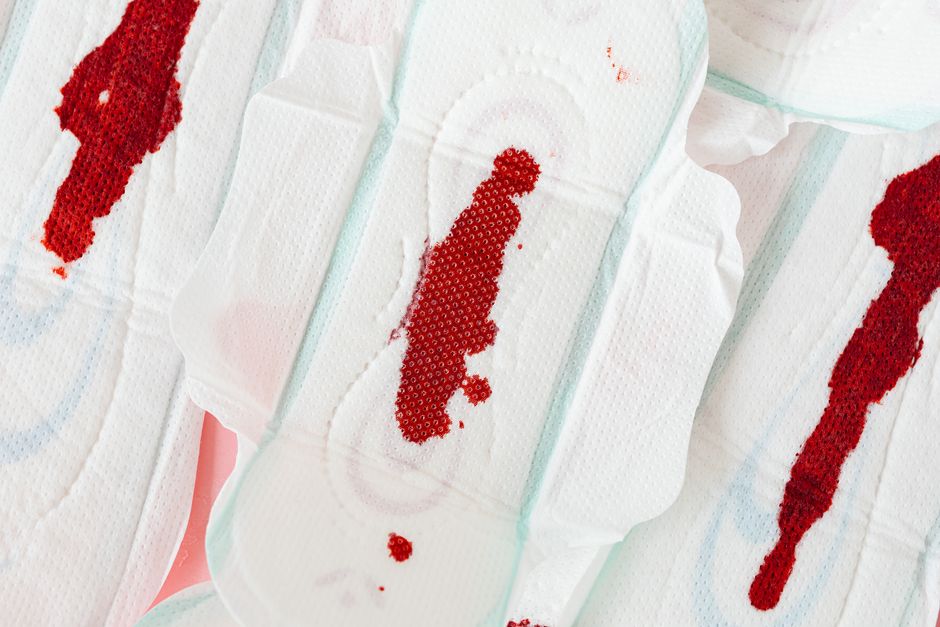
The appearance of the blood helps determine if the bleeding is normal or not. Pink or brown spotting is usually old blood and less concerning. Bright red blood is fresh and more likely to indicate active bleeding. The amount matters too. Spotting means you only see blood when you wipe. Light bleeding means you need a panty liner but not a pad. Heavy bleeding soaks through a pad in an hour or less.
| Blood Color | What It Typically Means | Action Needed |
|---|---|---|
| Pink or light brown | Often old blood, implantation, or cervical irritation | Monitor unless it gets heavier |
| Bright red | Fresh bleeding, could be normal or a sign of a problem | Call your doctor |
| Dark red with clots | Heavier bleeding, possible miscarriage or placental issue | Seek medical care immediately |
One non-obvious point: many women mistake the normal increase in vaginal discharge for bleeding. Pregnancy causes more discharge, and it can be tinged pink or brown from minor irritation. If you are unsure whether it is blood, wipe with white toilet paper. Real blood will not wash off completely, while discharge will.





When Should You Worry About Bleeding?
You should call your doctor or midwife for any bleeding during pregnancy. That said, some signs are more urgent than others. Go to the emergency room if you have heavy bleeding that soaks through a pad in less than an hour. Also go if you have severe pain in your belly or shoulder, feel dizzy or faint, or have a fever over 100.4°F.
Bleeding with tissue or clots is also a red flag. If you pass something that looks like a clot or grayish tissue, save it in a clean container. Your doctor may send it to a lab to confirm if it is pregnancy tissue. This helps them diagnose a miscarriage or molar pregnancy, which is a rare abnormal growth of placental tissue.
Do not use tampons during pregnancy if you are bleeding. Tampons can introduce bacteria into the vagina and increase infection risk. Use pads or panty liners instead. Also avoid sex, douching, or heavy lifting until your doctor tells you it is safe. Bed rest is not proven to prevent miscarriage, so do not assume you need to stay in bed unless your doctor specifically advises it.
What Does Research Say About Bleeding and Pregnancy Outcomes?
Research shows that bleeding in early pregnancy does not automatically mean a bad outcome. A 2023 study in JAMA Network Open followed over 4,000 women with first-trimester bleeding. It found that 70 percent of those with light spotting had a healthy full-term birth. The risk of preterm birth or low birth weight was slightly higher in women who bled, but still within normal range for most.
Another study in Human Reproduction Update looked at bleeding patterns and miscarriage risk. It found that heavy bleeding with cramps doubled the risk of miscarriage compared to light spotting. But even then, many women went on to have normal pregnancies. The takeaway is that the amount and pattern of bleeding matter more than the fact that bleeding happened at all.
Some people claim that certain herbs or supplements can stop bleeding during pregnancy. As of 2026, there is no clinical evidence that any supplement safely stops pregnancy bleeding. Vitamin C, raspberry leaf, and other natural remedies are widely claimed to help, but strong evidence is limited. In fact, some herbs can cause uterine contractions and make bleeding worse. Always talk to your doctor before taking anything.
Common Misconceptions About Pregnancy Bleeding
One of the biggest myths is that any bleeding means you are having a miscarriage. This is not true. Light spotting in the first trimester is common and often harmless. Another myth is that you cannot have a healthy pregnancy if you bleed for several days. Some women bleed on and off for weeks and still deliver healthy babies. The key is to get an ultrasound to check that the pregnancy is in the uterus and the baby has a heartbeat.
Some people believe that bleeding always means the baby is in danger. In many cases, the bleeding comes from the mother’s cervix or uterine lining, not from the baby. The baby is protected inside the amniotic sac. Unless the bleeding is from a placental abruption or vasa previa, the baby is usually fine. Your doctor can confirm this with an ultrasound.
Another misconception is that you should avoid all activity if you spot. Moderate activity is safe for most women with light spotting. Only your doctor can tell you if you need to limit activity. Do not assume you need bed rest. Research from ACOG shows that bed rest does not prevent miscarriage or preterm birth and can actually cause muscle loss and blood clots.
What to Do If You Have Bleeding
First, stay calm. Most bleeding in pregnancy is not an emergency. Call your doctor and describe the amount, color, and timing. They will ask you to come in for an exam and likely an ultrasound. The ultrasound checks for a heartbeat, the location of the pregnancy, and the health of the placenta. Blood tests can measure your hCG levels to see if they are rising normally.
Keep a log of your bleeding. Note when it started, what color it is, and how heavy it is. Write down if you have any pain or other symptoms. This information helps your doctor make a faster diagnosis. If the bleeding is light and your doctor says it is okay, you can go about your normal day. Just avoid sex and strenuous exercise until the bleeding stops.
If you have heavy bleeding, do not drive yourself to the hospital. Have someone else drive you or call 911. Heavy bleeding can cause a drop in blood pressure and make you faint. In the hospital, they can give you IV fluids and monitor your baby. Most of the time, they will find a treatable cause and you can go home after a few hours.
Frequently Asked Questions
Can you have a normal pregnancy with bleeding?
Yes, many women have normal pregnancies after light spotting in the first trimester. Heavy bleeding requires medical evaluation but does not always mean a bad outcome.
How long does implantation bleeding last?
Implantation bleeding usually lasts from a few hours to two days. It is typically very light pink or brown spotting.
Is bright red blood always a sign of miscarriage?
No, bright red blood can come from cervical irritation or other harmless causes. But it does need to be checked by a doctor to rule out problems.
Should I go to the ER for light spotting?
Light spotting does not usually require an ER visit. Call your doctor first. Go to the ER if the bleeding gets heavy or you have severe pain.
