
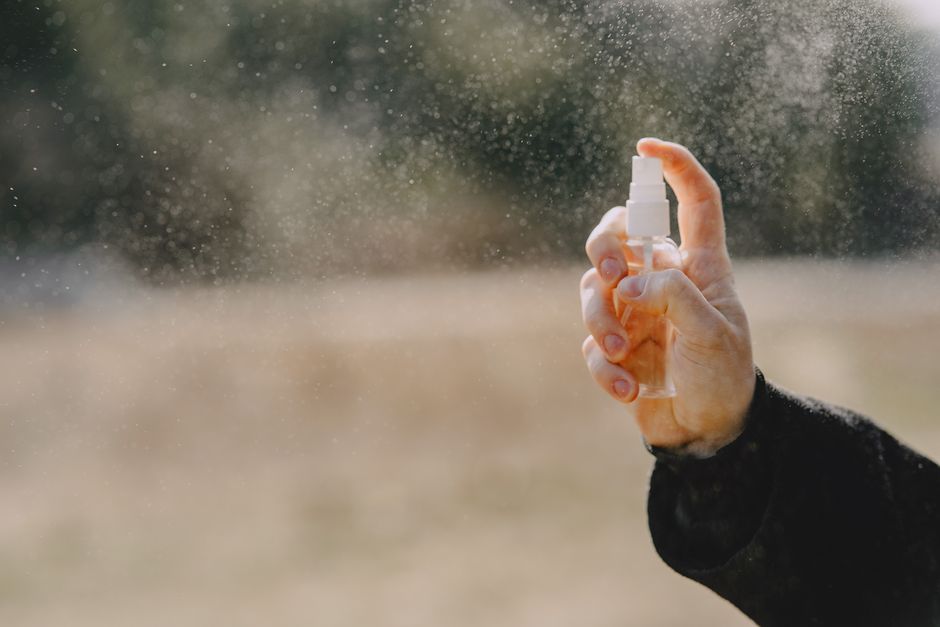
A skunk spray can ruin your day, your clothes, and your pet’s mood in seconds. The smell is powerful, but it is not permanent. The right response depends on what got sprayed and how fast you act. For people and pets, a specific chemical mixture breaks down the odor compounds. For cars and homes, the approach is different. Here is what to do if a skunk sprays you, your pet, or your property.
Why Does Skunk Spray Smell So Bad?
Skunk spray is a liquid produced by glands near the animal’s tail. The active ingredients are sulfur-based compounds called thiols. Thiols are the same family of chemicals that give garlic and onions their smell, but skunk thiols are far more concentrated.
The spray also contains compounds called thioacetates. These are not smelly at first. When they mix with water, they turn into thiols. This is why rain or humidity can reactivate the smell days later, even after a thorough cleaning.
Understanding this chemistry matters. If you only use water and soap, you may remove the oily spray but leave behind the thioacetates. When they convert, the smell returns.
What To Do If A Skunk Sprays You
If you are the one who got sprayed, your skin and eyes are the first concern. The spray can cause temporary burning and redness. It is not usually dangerous, but it is uncomfortable.
Start by flushing your eyes with cool water if they were hit. Hold your eyelids open and rinse for 15 to 20 minutes. If your eyes still hurt after rinsing, see a doctor.
For your skin, wash with a mixture that breaks down thiols. A standard remedy is one quart of 3% hydrogen peroxide, one quarter cup of baking soda, and one teaspoon of liquid dish soap. Mix it fresh and use it within minutes. Do not store this mixture in a closed bottle because it releases oxygen and can burst.
Apply the mixture to the affected skin, leave it on for five minutes, then rinse thoroughly with water. You may need to repeat the process. Do not get this mixture in your eyes.
After rinsing, wash with regular soap and water. Then wash your hair if it was exposed. The same mixture works on hair, but be careful. Hydrogen peroxide can lighten hair color. If you have dyed hair, test the mixture on a small strand first or consider a commercial skunk odor remover instead.
Shower with regular shampoo afterward. The smell should be mostly gone. If you still smell it, repeat the process.
What To Do If Your Dog Gets Sprayed
Dogs are the most common skunk spray victims. They often get sprayed in the face because they investigate the skunk directly.
First, check your dog’s eyes. Skunk spray causes significant eye irritation in dogs. If your dog is squinting, pawing at its eyes, or tearing heavily, flush the eyes with plain water or sterile saline solution. Do not use the hydrogen peroxide mixture near the eyes.
For the dog’s fur, use the same peroxide, baking soda, and dish soap mixture described above. Work it into the fur thoroughly, avoiding the eyes, ears, and mouth. Leave it on for five minutes. Rinse completely. Repeat if needed.
Do not get water in your dog’s ears. Skunk spray in the ear canal can cause pain and temporary hearing issues. If your dog is shaking its head or scratching at its ears after cleaning, contact your veterinarian.
Check your dog’s mouth. If the spray got inside the mouth, your dog may drool excessively or vomit. Offer fresh water. If vomiting continues or your dog seems lethargic, call your vet.
One important warning: do not use tomato juice. It is an old myth that does not work. Tomato juice only masks the smell temporarily. When it dries, the skunk odor returns. The peroxide mixture actually breaks down the thiol molecules.
Another warning: never use bleach on a pet. Bleach can burn the skin and is toxic if ingested.





What To Do If A Skunk Sprays Your House or Car
Skunks occasionally spray porches, garages, or the underside of cars. The oily spray clings to surfaces and can linger for months.
For hard surfaces like concrete, wood, or metal, start with a degreasing dish soap and water. Scrub the area thoroughly. Rinse with clean water.
For a stronger clean, use a solution of one part white vinegar to three parts water. Vinegar helps neutralize some of the odor. Wipe down the area and let it air dry.
For cars, wash the exterior with a high-quality automotive soap. Pay attention to the undercarriage and wheel wells where spray tends to collect. If the inside of the car was sprayed, remove any fabric covers and wash them separately. For upholstery and carpets, use an enzymatic cleaner designed for pet odors. These products break down the organic compounds in the spray.
Ventilation is critical. Open all doors and windows. Run fans to circulate air. The smell may take several days to fully dissipate even after cleaning.
How To Get Skunk Smell Out of Clothes
Clothes that got sprayed need special handling. The oil binds to fabric fibers and can transfer to other items in the wash.
Wash sprayed clothes separately from other laundry. Use hot water if the fabric allows it. Add one cup of baking soda to the wash cycle along with your regular detergent. Baking soda helps neutralize odors.
If the smell remains after the first wash, do not put the clothes in the dryer. Heat sets the odor. Instead, wash again with a commercial odor remover or a cup of white vinegar in the rinse cycle.
Air dry the clothes outside if possible. Sunlight and fresh air help break down remaining odor compounds. You may need to wash and air dry several times before the smell is completely gone.
For shoes, wipe them down with the vinegar solution and let them air out. Leather shoes may absorb the odor deeply. Some shoes are not salvageable, especially if they are porous.
How To Prevent Skunk Encounters
Prevention is easier than cleanup. Skunks are nocturnal and generally avoid humans. They spray as a last resort when they feel threatened.
Keep your property less attractive to skunks. Secure trash cans with tight-fitting lids. Do not leave pet food outside overnight. Close off crawl spaces under decks, porches, and sheds where skunks may den.
If you see a skunk during the day, it may be sick. Rabies is possible in skunks. Do not approach it. Keep pets inside and contact animal control.
If a skunk is in your yard, do not startle it. Make noise from a distance to encourage it to leave. Move slowly and give it an escape route. Skunks usually warn before spraying by stomping their front feet and raising their tail. If you see this behavior, back away slowly.
When To See a Doctor
Most skunk spray exposure does not require medical care. But there are situations where you should get help.
If spray gets in your eyes and rinsing does not relieve the burning, see a doctor. Prolonged eye pain, redness, or blurred vision needs professional evaluation.
If you have asthma or other respiratory conditions, the strong fumes may trigger breathing difficulties. Move to fresh air immediately. If you cannot catch your breath, seek emergency care.
If your dog shows signs of illness beyond eye irritation — repeated vomiting, weakness, pale gums, or seizures — go to a veterinarian. Skunk spray itself is rarely toxic, but the stress of the encounter and the chemical exposure can cause problems in sensitive animals.
Frequently Asked Questions
Does tomato juice really remove skunk smell?
No. Tomato juice only masks the smell temporarily and does not break down the odor compounds. Use a mixture of hydrogen peroxide, baking soda, and dish soap instead.
How long does skunk smell last on a dog?
Without proper cleaning, skunk odor can last for weeks on fur. With immediate treatment using the peroxide mixture, most of the smell is gone within a day or two.
Can skunk spray make you sick?
Skunk spray is not toxic, but it can cause temporary eye burning, nausea, and respiratory irritation. Severe reactions are rare but possible for people with asthma or allergies.
Is skunk spray dangerous for dogs?
Skunk spray is rarely dangerous, but it causes significant eye irritation and can cause vomiting if ingested. Dogs that get sprayed in the face should have their eyes flushed immediately and be monitored closely.
Acting quickly is the most important part of skunk odor removal. The longer the oil sits on skin, fur, or fabric, the harder it is to remove. Keep the peroxide mixture ingredients on hand if you live in an area with skunks. That way you are ready before the encounter happens, not after.
