
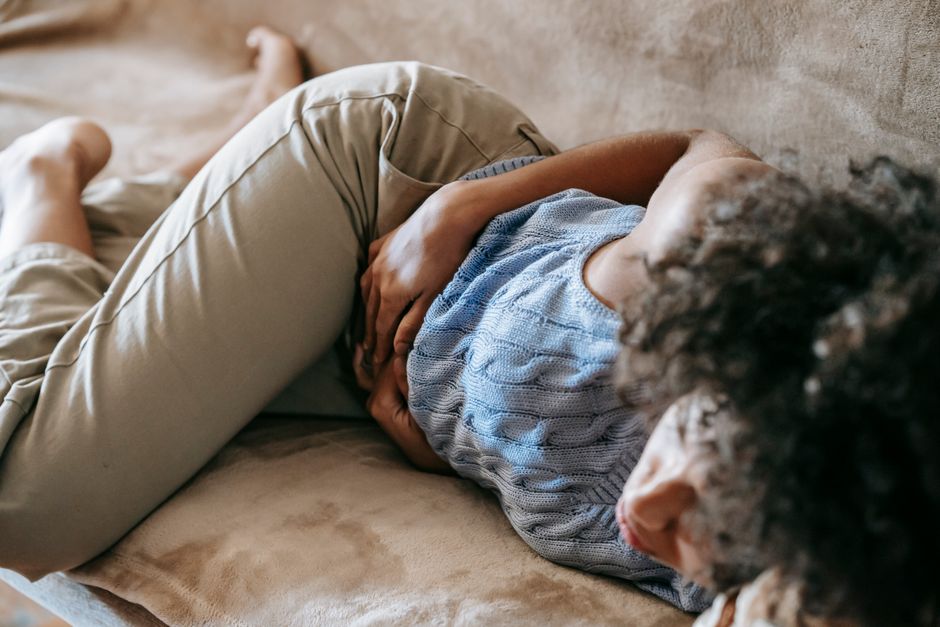
Yes, you can hurt after a colonoscopy, but the type of pain matters. Mild cramping, bloating, and gas pressure are normal and usually fade within a few hours. Sharp, severe, or worsening pain is not normal and requires immediate medical attention. Most people feel back to normal within 24 hours, but knowing the difference between expected discomfort and a warning sign is essential for your safety.
Why Does My Stomach Hurt After a Colonoscopy?
The most common cause of post-procedure pain is trapped gas. Your doctor inflates your colon with carbon dioxide or air during the procedure to see the walls clearly. Some of that gas stays behind after the scope is removed. It stretches the intestinal walls, which triggers cramping and a bloated feeling.
This is not an injury. It is a temporary mechanical effect. The gas has to move through your system and come out. Walking, moving, and passing gas are the fastest ways to relieve it.
Another source of discomfort is the scope itself. The colonoscope bends around the curves of your large intestine. That pressure can leave the bowel slightly irritated for a few hours. It feels like a dull ache or a strong urge to have a bowel movement.
If your doctor removed polyps or took tissue samples (biopsies), you may feel a mild, localized soreness at those sites. This is typically minor and settles within a day.
How Long Does Colonoscopy Pain Last?
Normal discomfort from gas and the scope usually resolves within 2 to 6 hours. By the next morning, most people report no pain at all. Some people feel fine within an hour.
If you had polyps removed, you might notice light spotting or a small amount of blood in your stool for a day or two. This is common and not usually a concern.
Pain that lasts longer than 24 hours is not typical. Pain that gets worse instead of better is a red flag. Do not assume a prolonged ache is just gas. If you are still hurting the next day, call your doctor’s office.
What Does Normal Discomfort Feel Like?
Normal post-colonoscopy discomfort has a specific character. It comes and goes. It feels like intestinal cramping or the sensation you get before a bowel movement. You may feel pressure in your lower belly or rectum.
Passing gas should make you feel better. Walking usually eases the cramping. Lying still may actually make it worse because gas needs movement to travel out.
You may also feel sleepy or slightly dizzy from the sedation. That is not pain, but it is part of the normal recovery window. You should not drive, operate machinery, or make important decisions for 24 hours after sedation.

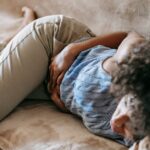
When Should I Worry About Pain After a Colonoscopy?
Some symptoms require immediate medical care. Do not wait to see if they pass. Call your doctor or go to the emergency room if you experience any of the following:
- Severe abdominal pain that does not ease with walking or passing gas
- Pain that gets progressively worse over several hours
- Fever or chills
- Heavy rectal bleeding (more than a few tablespoons, or bleeding that soaks a pad)
- Dizziness, fainting, or rapid heart rate
- Vomiting
- A hard, swollen, or tender belly that hurts to touch
These symptoms can signal a complication. The most serious is a perforation, which is a tear in the colon wall. It is rare, occurring in fewer than 1 in 1,000 procedures, but it requires emergency surgery. Bleeding after polyp removal is also possible and can be serious if it does not stop on its own.
Research consistently shows that serious complications from colonoscopy are uncommon. But they do happen. Your job is not to diagnose yourself. Your job is to recognize that something feels wrong and get evaluated.
How to Relieve Normal Colonoscopy Discomfort at Home
If your pain matches the normal pattern — mild, crampy, and eased by passing gas — you can manage it at home.
Walk. Gentle movement is the single most effective way to shift trapped gas. Take a slow walk around your house or block every hour.
Use a heating pad. Low heat on your abdomen can relax the intestinal muscles and reduce cramping. Use it for 15 to 20 minutes at a time.
Sip warm liquids. Warm broth or herbal tea can stimulate bowel activity without irritating the gut.
Eat light. Start with small, easily digestible foods. Crackers, toast, soup, or plain rice are good choices. Avoid heavy, greasy, or highly seasoned food for the first day.
Rest, but do not lie flat. If you need to lie down, prop yourself up slightly or lie on your left side. This position helps gas move through the colon more easily.
Do not take laxatives or stool softeners unless your doctor specifically told you to. Your bowel is already empty and recovering. Do not take anti-diarrheal medication. If you need pain relief, acetaminophen is generally considered safe after this procedure. Avoid ibuprofen, aspirin, or naproxen for 24 hours after the procedure, especially if you had polyps removed, because these can increase bleeding risk. Always confirm with your doctor’s discharge instructions before taking any medication.
Do You Hurt After A Colonoscopy Whats Normal and What Is Not?
Here is the practical breakdown. Normal: cramping that comes and goes, bloating, pressure, and the need to pass gas. These symptoms improve with movement and resolve within a day. Not normal: constant pain, pain that worsens over time, fever, heavy bleeding, or a belly that is hard and tender.
If you are unsure whether what you feel is normal, call your doctor. That is what the office is there for. A quick phone call can give you peace of mind or catch a problem early. No one will think less of you for asking.
Most people tolerate colonoscopy very well. The discomfort is temporary, and the screening benefit is substantial. Colonoscopy remains one of the most effective tools for detecting and preventing colorectal cancer. A few hours of mild cramping is a small price for that information.
Can I Prevent Post-Colonoscopy Pain?
You cannot fully prevent it, but you can reduce it. Ask your doctor if they use carbon dioxide gas instead of air. Carbon dioxide is absorbed by the body much faster than air, which means less trapped gas after the procedure. Many practices already use it, but not all do.
Follow the prep instructions exactly. A clean colon makes the procedure faster and easier, which can reduce the amount of manipulation and gas needed. If stool remains in the colon, the doctor may need to work harder to see, which can increase discomfort afterward.
Plan to take it easy for the rest of the day. Do not schedule work, heavy exercise, or social obligations. Give your body time to clear the gas and recover from sedation.
Frequently Asked Questions
How long does gas pain last after a colonoscopy?
Gas pain typically resolves within 2 to 6 hours. Walking and passing gas speeds up the relief. If pain lasts beyond 24 hours, contact your doctor.
Is it normal to have blood after a colonoscopy?
Light spotting or a small amount of blood in your stool for a day or two is common after polyp removal. Heavy bleeding, clots, or bleeding that lasts longer than two days requires medical attention.
Can I take painkillers after a colonoscopy?
Acetaminophen is generally safe. Avoid ibuprofen, aspirin, and naproxen for the first 24 hours, especially after polyp removal, because they increase bleeding risk. Follow your doctor’s discharge instructions.
When should I go to the emergency room after a colonoscopy?
Go to the ER for severe or worsening abdominal pain, fever, vomiting, heavy rectal bleeding, or a hard, swollen belly. These can be signs of a rare but serious complication like a bowel perforation.
