
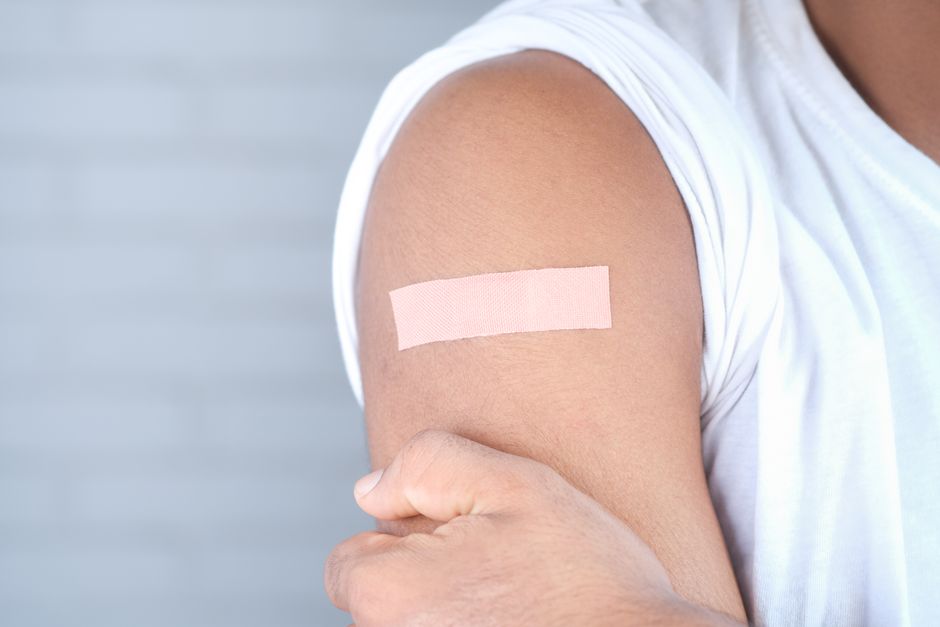
Yes, you can get the flu shot and the shingles vaccine at the same time. Health experts confirm these vaccines can be given in the same visit, usually in different arms. This is safe for most adults and is a common practice during flu season. Getting both vaccines together does not lower how well either one works, and it does not increase your risk of serious side effects.
What Are The Flu And Shingles Vaccines?
The flu vaccine protects against seasonal influenza viruses. Flu shots are updated each year to match the strains most likely to circulate. The vaccine is recommended for everyone aged 6 months and older.
The shingles vaccine protects against herpes zoster, the virus that causes shingles. Shingles is a painful rash that can occur in anyone who has had chickenpox. The virus stays dormant in your body and can reactivate years later. The current shingles vaccine is given in two doses, usually 2 to 6 months apart.
Both vaccines are inactivated vaccines. They do not contain live viruses. This is one reason they can be given together safely.
Is It Safe To Get Both Vaccines In One Visit?
Yes. The Centers for Disease Control and Prevention (CDC) states that inactivated vaccines can be administered at the same visit. The flu shot and the shingles shot are both inactivated vaccines. There is no safety concern with giving them together.
Research has looked at giving these vaccines at the same time. Studies have found that the immune response is similar whether you get them together or on separate days. Your body builds protection against both viruses without interference.
Some people worry that getting two vaccines at once might overload the immune system. That concern is not supported by evidence. Your immune system handles thousands of antigens every day from food, air, and everyday germs. Two vaccines are a tiny addition to that load.
What Side Effects Should You Expect?
Side effects from getting both vaccines together are similar to getting them separately. You might have soreness, redness, or swelling at the injection sites. You might also feel tired, have a mild headache, or run a low-grade fever for a day or two.
Getting two shots means you may have side effects in two arms instead of one. That is the main practical difference. Some people prefer to get them on different days to avoid soreness in both arms at once. That is a personal choice, not a medical requirement.
Serious side effects from either vaccine are rare. Severe allergic reactions can happen with any vaccine, but they are uncommon. If you have had a severe allergic reaction to a vaccine before, tell your doctor before getting another one.





Why Get Both Vaccines At The Same Time?
Getting both vaccines in one visit is convenient. It saves you an extra trip to the clinic or pharmacy. This matters because convenience increases the chance that people actually get vaccinated.
Flu season and shingles risk do not wait for a convenient time. The flu vaccine is typically available starting in late summer or early fall. The shingles vaccine can be given at any time of year. If you are due for both, there is no reason to delay one.
Some people worry that getting both vaccines at once might make side effects worse. The evidence does not support this. Studies show that side effect rates are similar whether vaccines are given together or separately.
Who Should Get The Shingles Vaccine?
The shingles vaccine is recommended for adults aged 50 years and older. It is also recommended for adults aged 19 and older who have weakened immune systems due to disease or treatment.
The current vaccine is called Shingrix. It is given in two doses. The second dose is given 2 to 6 months after the first. You need both doses for full protection.
Shingles can cause serious complications. The most common is postherpetic neuralgia, which is nerve pain that lasts for months or even years after the rash heals. The vaccine significantly reduces the risk of shingles and its complications.
Even if you have had shingles before, you should still get the vaccine. Having shingles once does not protect you from getting it again. The vaccine is also recommended even if you do not remember having chickenpox. More than 99% of Americans born before 1980 have had chickenpox, even if they do not remember it.
Who Should Get The Flu Vaccine?
Everyone aged 6 months and older should get the flu vaccine each year. This is the official recommendation from public health authorities. The flu can cause severe illness, especially in older adults and people with chronic health conditions.
The flu vaccine is especially important for people aged 65 and older. This age group has the highest risk of serious flu complications. There is a higher-dose flu vaccine for this age group, but the standard dose is also acceptable.
If you are aged 50 or older, you are in the age group that should get both vaccines. You are eligible for the shingles vaccine and the flu vaccine. Getting them together is a practical way to stay protected.
Are There Any Reasons To Separate The Shots?
There are a few situations where you might separate the shots. If you are sick with a moderate or severe illness, you should wait until you recover. This applies to any vaccine, not just these two.
If you have had a severe allergic reaction to a specific vaccine ingredient, you should not get that vaccine. Your doctor can help you determine which vaccine caused the reaction and what to avoid.
Some people choose to separate the shots for personal comfort. If you have had strong reactions to vaccines in the past, you might prefer to get one at a time. This is acceptable, but it is not medically necessary.
There is no evidence that getting the flu and shingles vaccines together increases your risk of complications. The decision to separate them is about comfort and preference, not safety.
What About The COVID-19 Vaccine?
You can also get the COVID-19 vaccine at the same time as the flu and shingles vaccines. Public health guidelines allow co-administration of COVID-19 vaccines with other vaccines. This includes the flu shot and the shingles shot.
If you are due for multiple vaccines, talk to your doctor or pharmacist. They can help you plan which vaccines to get and when. There is no required waiting period between different vaccines.
Frequently Asked Questions
Can I get the flu and shingles vaccine in the same arm?
It is recommended to get vaccines in different arms when possible. This reduces soreness in one spot and makes it easier to tell which vaccine caused a reaction if one occurs.
How long should I wait between the flu and shingles vaccine?
You do not need to wait at all. The flu and shingles vaccines can be given at the same visit or on any schedule you prefer.
Can I get the shingles vaccine if I have a cold?
If you have a mild illness like a cold, you can still get the shingles vaccine. Wait only if you have a moderate or severe illness with a fever.
Is it safe to get the flu shot every year?
Yes. The flu vaccine is updated each year to match circulating strains, and annual vaccination is recommended for everyone aged 6 months and older.
