
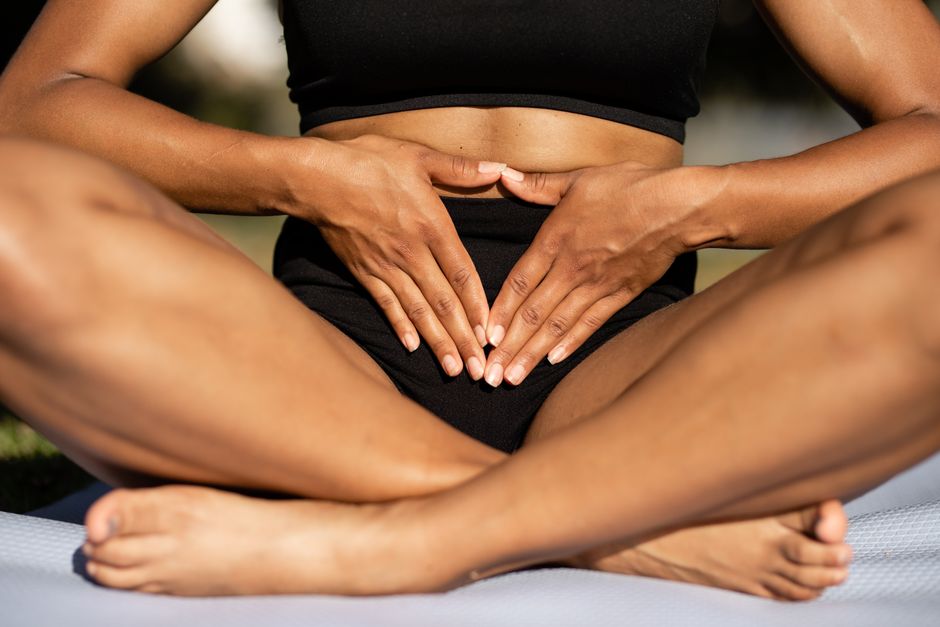
The luteal phase is the second half of your menstrual cycle — the roughly two weeks between ovulation and your next period. If you are trying to get pregnant, this is the stretch where the most important biological event has already happened or is about to happen: the release of an egg and its potential fertilization. What you do during this window cannot change whether an egg was fertilized, but it can support the hormonal environment that helps a fertilized egg implant and grow. The core steps are straightforward: keep your body temperature stable, avoid substances that interfere with progesterone, eat and sleep well, and manage stress where you can. Most of the “luteal phase hacks” you see online are not supported by strong evidence, so it helps to know what actually matters and what does not.
What Is the Luteal Phase and Why Does It Matter for Pregnancy?
The luteal phase begins the day after ovulation and ends when your next period starts. In a typical 28-day cycle, it lasts about 14 days, though anywhere from roughly 11 to 17 days is considered within the normal range. The exact length varies from person to person and even from cycle to cycle.
What defines this phase is the corpus luteum — the temporary gland that forms from the follicle that released your egg. The corpus luteum produces progesterone, the hormone that thickens the uterine lining and prepares it to receive a fertilized egg. If pregnancy occurs, the developing embryo signals the corpus luteum to keep producing progesterone until the placenta takes over. If no pregnancy occurs, the corpus luteum breaks down, progesterone falls, and the uterine lining sheds as your period.
This is why the luteal phase gets so much attention. Progesterone is doing the heavy lifting here. Anything that disrupts progesterone production or the timing of implantation can affect whether a pregnancy can establish itself. That said, the phase is largely driven by biology you cannot consciously control. The practical question is what you can influence, and the honest answer is: some things, but not as many as the internet suggests.
What To Do During Your Luteal Phase For Pregnancy?
Focus on protecting the hormonal environment you already have. Progesterone is sensitive to a few external factors, and the most evidence-backed steps involve removing things that interfere with it rather than adding supplements or rituals.
Here is what is reasonably well supported:
- Avoid alcohol. Alcohol can affect hormone levels and is not considered safe in any amount once pregnancy is possible. During the luteal phase, pregnancy may already have begun before a test can detect it.
- Do not smoke or use nicotine. Smoking is associated with lower progesterone and poorer implantation outcomes. This applies to vaping and oral nicotine too.
- Keep intense exercise in check. Very high-volume, high-intensity training can disrupt ovulation and the luteal phase in some people. Moderate activity is generally fine and likely helpful.
- Get consistent sleep. Sleep supports normal hormone regulation. Irregular or short sleep can affect reproductive hormones over time.
- Manage stress where you realistically can. High chronic stress can influence hormone balance, though the effect on any single cycle is hard to measure.
- Take a prenatal vitamin with folic acid. Folic acid is recommended before conception and in early pregnancy to reduce the risk of neural tube defects. This is one of the few supplements with strong supporting evidence.
- Eat regular, balanced meals. Severe calorie restriction or crash dieting can disrupt hormones. Steady nutrition supports steady hormone production.
Notice what is not on this list: special teas, seed cycling, pineapple, and “implantation smoothies.” None of these have clinical evidence showing they improve implantation or pregnancy rates. They are not harmful in most cases, but they are not doing what people claim.
Does Temperature or Activity Affect Implantation?
Your core body temperature rises slightly after ovulation because of progesterone. That is the basis for basal body temperature tracking, which some people use to confirm that ovulation happened. The rise is small — typically a few tenths of a degree — and it tells you ovulation occurred, not whether implantation will succeed.
There is no strong evidence that avoiding hot baths, saunas, or heating pads during the luteal phase improves implantation. The concern about core body temperature and pregnancy is real but applies mainly to sustained high fevers and to the early weeks of pregnancy, not to normal daily warmth. A warm bath is not the same as a fever.
For exercise, moderate activity is generally considered safe and beneficial. The caution is about extremes. Endurance athletes and people doing very high training volumes sometimes experience luteal phase shortening or missed ovulation, but this is a pattern seen at the high end of training loads, not in typical recreational exercise.

Can You “Fix” a Short Luteal Phase?
A short luteal phase — generally defined as lasting fewer than about 10 to 11 days — is sometimes linked to lower progesterone and difficulty sustaining a pregnancy. But the evidence here is more mixed than many sources suggest. Some studies find an association with fertility problems; others do not find that a short luteal phase alone prevents pregnancy.
If you suspect your luteal phase is short, the useful step is to track your cycle for a few months and bring that data to a clinician. A doctor can check progesterone levels and look for underlying causes such as thyroid problems, high prolactin, or ovulation disorders. Treatment, when needed, is directed at the cause.
What does not have solid evidence: taking over-the-counter progesterone creams, using vitex or chasteberry to lengthen the phase, or following “luteal phase diet” protocols. Some clinicians do recommend progesterone supplementation in specific situations, but that is a prescription decision based on testing, not something to self-manage.
What About Diet and Supplements During the Luteal Phase?
A balanced diet supports hormone production, but no specific food has been shown to improve implantation. The general principles that hold up:
- Eat enough. Chronic undereating disrupts reproductive hormones.
- Include healthy fats. Cholesterol is a building block for steroid hormones like progesterone.
- Get adequate vitamin D, iron, and B vitamins through food or a prenatal where appropriate.
- Limit alcohol and excess caffeine. Caffeine in high amounts has been associated with fertility concerns, though the evidence is not definitive.
On supplements, the picture is thin. Folic acid has strong evidence for preventing neural tube defects. Vitamin D deficiency is worth correcting if you have it. Beyond that, most fertility supplements marketed for the luteal phase have little to no clinical trial support. Be skeptical of anything promising to “support implantation” — that phrasing usually signals marketing rather than evidence.
When Should You See a Doctor?
If you have been trying to conceive for a year without success — or six months if you are 35 or older — it is reasonable to seek evaluation. You should also see a clinician sooner if your cycles are very irregular, if your luteal phase seems consistently short, if you have had multiple miscarriages, or if you have symptoms of a hormone disorder such as thyroid problems.
Tracking your cycle is genuinely useful here. Knowing your typical cycle length, whether you appear to ovulate, and how long your luteal phase lasts gives a doctor real information to work with. Apps and ovulation tests can help, though none of them are perfectly accurate.
The luteal phase is not a time for drastic action. It is a time to avoid things that interfere with hormones you cannot see, and to give your body the basics it needs. Most of the rest is out of your hands — and that is worth knowing, because it means you are not failing if a cycle does not result in pregnancy.
Frequently Asked Questions
Can I exercise during my luteal phase while trying to get pregnant?
Yes, moderate exercise is generally considered safe and does not appear to harm implantation. Very high-intensity or high-volume training may disrupt hormones in some people, so extremes are worth avoiding.
Does eating pineapple or taking seed cycling supplements help implantation?
No clinical evidence currently confirms that pineapple, seed cycling, or similar remedies improve implantation or pregnancy rates. They are generally not harmful, but they are not supported by research.
How long should a normal luteal phase last?
A typical luteal phase lasts about 14 days, with roughly 11 to 17 days considered within the normal range. A phase consistently shorter than about 10 to 11 days is sometimes called short, though its effect on fertility is debated.
Should I take progesterone during my luteal phase to help get pregnant?
Progesterone supplementation is a prescription decision based on testing and medical history, not something to self-manage. Over-the-counter progesterone creams have not been shown to improve pregnancy outcomes.
