
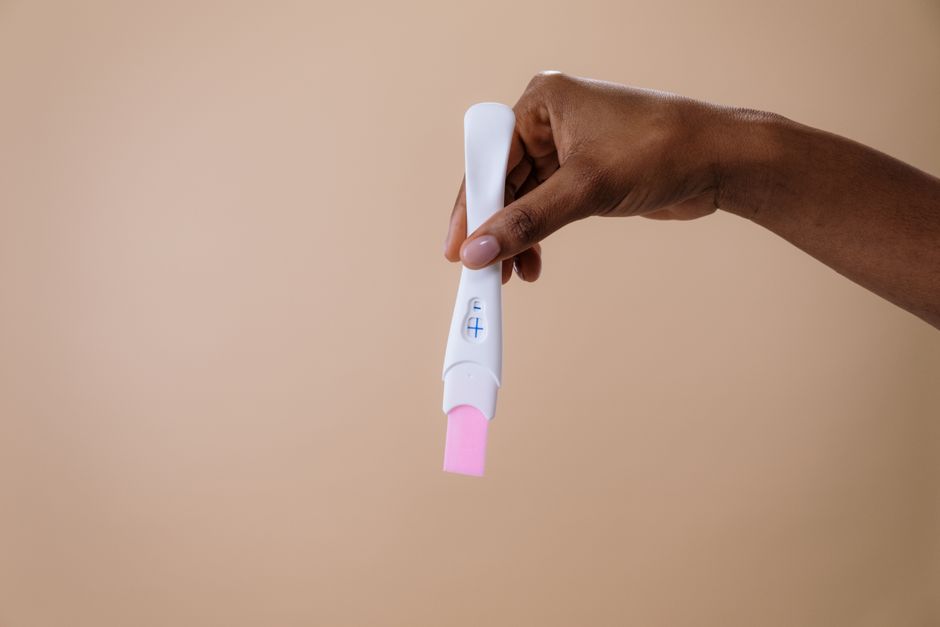
A positive pregnancy test is a powerful moment. Then a second test shows negative. You might wonder if you imagined the first result. You did not. A positive test that becomes negative has a specific medical explanation. It usually points to a very early pregnancy loss called a chemical pregnancy. This is more common than most people realize.
What Is a Chemical Pregnancy?
A chemical pregnancy is a very early miscarriage. It happens shortly after the embryo implants in the uterus. The pregnancy ends before it can be seen on an ultrasound. The term “chemical” refers to the fact that only a chemical test — the pregnancy test — could detect it.
Research published in the journal Human Reproduction estimates that 50 to 75 percent of all miscarriages are chemical pregnancies. Many women never know they had one. They might think their period is just a few days late. The bleeding from a chemical pregnancy often looks and feels like a normal period.
The cause is usually a chromosomal abnormality in the fertilized egg. The body recognizes the problem and stops the pregnancy naturally. This is not something you caused. It is not related to stress, exercise, or anything you ate.
How Quickly Can a Positive Test Turn Negative?
A pregnancy test detects the hormone hCG (human chorionic gonadotropin). After implantation, hCG levels double about every 48 hours. In a chemical pregnancy, the embryo stops developing. hCG levels then drop quickly.
You might get a positive test one day. Two days later, the test is negative. This can happen within 48 to 72 hours. Some women get a faint positive line that never gets darker. Others see a clear positive that fades over a few days.
Blood tests are more sensitive than urine tests. A blood test might show a low hCG level that then drops to zero. Urine tests need a higher hCG level to show positive. That is why a blood test might detect a pregnancy that a urine test misses entirely.
Why Did My Positive Pregnancy Test Disappear? The Medical Explanation
The direct answer is that the pregnancy stopped developing very early. The embryo implanted but did not continue to grow. Your body stopped producing hCG. Once hCG drops below the test’s detection threshold, the test turns negative.
There are other less common reasons a positive test might disappear. An ectopic pregnancy — where the embryo implants outside the uterus — can cause hCG levels to rise slowly and then fall. This is a medical emergency. If you have sharp pain on one side of your abdomen or shoulder pain, seek care immediately.
A false positive is very rare. Most home pregnancy tests are over 99 percent accurate when used correctly. True false positives usually come from certain medications, medical conditions, or a test that is past its expiration date. A positive that becomes negative is almost always a real pregnancy that ended.




What Does the Research Say About Early Pregnancy Loss?
The American College of Obstetricians and Gynecologists (ACOG) states that chemical pregnancies account for a large portion of all conceptions. Many occur before a woman even misses her period. Studies show that women who track their cycles closely are more likely to identify chemical pregnancies.
Research in Obstetrics & Gynecology found that about 25 percent of all pregnancies end in miscarriage. Most of these happen in the first 12 weeks. Chemical pregnancies are the earliest type of miscarriage.
One important finding is that having a chemical pregnancy does not mean you have trouble getting pregnant. In fact, it shows that fertilization and implantation can happen. Most women go on to have a successful pregnancy in the next cycle or two.
| Type of Pregnancy Loss | Timing | How It Is Detected |
|---|---|---|
| Chemical pregnancy | Before 5 weeks | Only by pregnancy test |
| Clinical miscarriage | 5 to 12 weeks | Ultrasound or tissue passage |
| Late miscarriage | 13 to 20 weeks | Ultrasound or medical diagnosis |
What Happens Next After a Disappearing Positive Test?
Your body will usually start bleeding within a few days of the hCG drop. This bleeding can be slightly heavier or more crampy than your normal period. It might last a few extra days. This is the uterine lining shedding because the pregnancy ended.
You do not need any medical treatment for a chemical pregnancy. Your body handles it naturally. Some women choose to have a blood test to confirm hCG has returned to zero. This is not required but can provide peace of mind.
You can start trying to conceive again right away. There is no medical reason to wait. Some doctors suggest waiting until after one normal period to make dating a future pregnancy easier. But research shows no increased risk if you try immediately.
When Should You See a Doctor?
If you have a positive test that becomes negative and you are not bleeding yet, call your doctor. They may want to run a blood test to check your hCG level. This helps rule out an ectopic pregnancy.
You should see a doctor if you have:
- Severe pain on one side of your abdomen
- Shoulder pain or dizziness
- Heavy bleeding that soaks through a pad in an hour
- A fever over 100.4°F
- More than two chemical pregnancies in a row
Most women do not need any follow-up care. But one or two chemical pregnancies are common. Three or more in a row might need a fertility evaluation. Your doctor can check for hormone issues, uterine abnormalities, or genetic factors.
Common Misconceptions About Disappearing Pregnancy Tests
Some people believe a disappearing positive test means something is “wrong” with their fertility. This is not true. Chemical pregnancies are a sign that your reproductive system is working. Fertilization and implantation happened. The embryo just had a genetic problem that stopped development.
Another myth is that stress or lifestyle caused the loss. There is no evidence that exercise, sex, or work stress causes chemical pregnancies. The cause is almost always chromosomal. Your body did exactly what it should do — it stopped a nonviable pregnancy.
Some women worry that a chemical pregnancy means they cannot carry a baby to term. This is not supported by research. Most women who have a chemical pregnancy go on to have a healthy baby in a future pregnancy. The loss does not predict future outcomes.
Emotional Impact of a Disappearing Positive Test
A chemical pregnancy can feel confusing. You might have felt excited for a short time. Then the loss happens before you told anyone. Many women feel a real sense of grief, even though the pregnancy was very brief. These feelings are normal and valid.
Some women feel relieved that the loss was early. Others feel disappointed or anxious about trying again. Both responses are common. There is no right way to feel. Talk to your partner or a trusted friend if you need support.
If you feel overwhelmed, consider speaking with a counselor who specializes in pregnancy loss. Support groups, both online and in person, can also help. You are not alone. Chemical pregnancies are one of the most common types of pregnancy loss.
Frequently Asked Questions
Can a positive pregnancy test disappear and still be a viable pregnancy?
No. If a positive test becomes negative, the pregnancy has stopped developing. A viable pregnancy will show rising or stable hCG levels.
How long after a chemical pregnancy will I get my period?
Most women get their period within four to six weeks after the bleeding from the chemical pregnancy ends. It may be slightly irregular for one cycle.
Can a chemical pregnancy happen without bleeding?
Yes, but it is rare. Some women have a chemical pregnancy detected by blood test that resolves without any noticeable bleeding. The body reabsorbs the tissue.
Does a chemical pregnancy mean I have fertility problems?
No. One or two chemical pregnancies are common and do not indicate fertility issues. Three or more in a row may warrant a fertility evaluation.
