
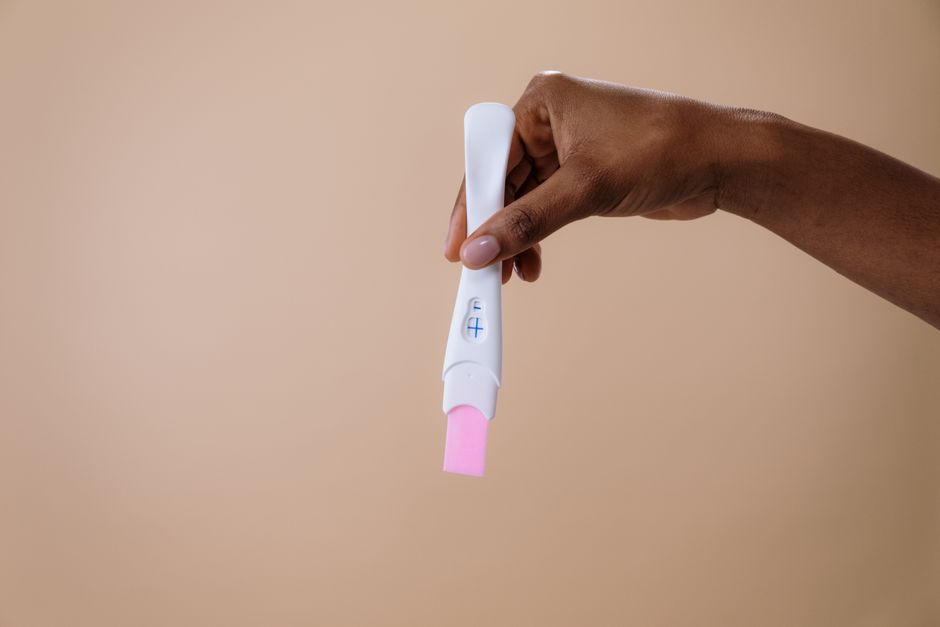
A false positive pregnancy test means the test said you are pregnant when you are not. It happens when your body has a substance called hCG in your urine or blood but you are not actually carrying a pregnancy. The most common reason is a chemical pregnancy, which is an early miscarriage that happens before you even know you conceived. Other causes include certain medications, medical conditions, or even user error with the test itself.
What Exactly Is a Chemical Pregnancy and Why Does It Cause a False Positive?
A chemical pregnancy is a very early miscarriage. It happens when a fertilized egg implants in the uterus but stops developing shortly after. Your body starts producing hCG, the hormone pregnancy tests detect, but the pregnancy ends before an ultrasound can see anything.
Research published in the journal Obstetrics & Gynecology estimates that up to 50 to 75 percent of all miscarriages are chemical pregnancies. Many women never know they had one. They get a positive test, then their period comes a few days late. If you tested early, around the time your period was due, a chemical pregnancy is the most likely explanation for a false positive.
The key detail is that the test was not wrong. It detected real hCG. The pregnancy just did not continue. This is not your fault and there is nothing you could have done to prevent it. Chemical pregnancies are extremely common and usually happen because the embryo had a chromosomal problem that made it non-viable.
Can Medications Cause a False Positive Pregnancy Test?
Yes, certain medications can cause a false positive. The main ones are fertility drugs that contain hCG. These include medications like Pregnyl, Novarel, and Ovidrel, which are used to trigger ovulation. If you take one of these and test too soon, the hCG from the shot will show up on a pregnancy test.
Other medications are less likely to cause false positives but it is possible. Some studies have found that certain antipsychotic medications, anticonvulsants, and even some over-the-counter antihistamines can interfere with test results. The evidence here is not strong. Most research shows these medications only cause false positives in very rare cases or with specific types of tests.
The rule of thumb is this: if you are taking a medication that contains hCG, wait at least 10 to 14 days after your last dose before testing. If you are on other medications and get a positive result you doubt, talk to your doctor. They can order a blood test which is more accurate and less likely to be affected by medications.
What Medical Conditions Can Cause a False Positive Pregnancy Test?
Several medical conditions can cause your body to produce hCG even when you are not pregnant. The most serious is a molar pregnancy, which is a growth of abnormal tissue in the uterus that produces hCG. Molar pregnancies are rare, occurring in about 1 in 1,000 pregnancies in the United States according to the American College of Obstetricians and Gynecologists.
Other conditions include ovarian tumors, pituitary gland issues, and certain types of cancer, such as ovarian or testicular cancer. These conditions cause your body to produce hCG or substances that resemble hCG. This is called a false positive due to cross-reactivity.
A less common but real cause is having a condition called heterophile antibodies. These are antibodies your immune system produces that can bind to the test’s detection chemicals and cause a false reading. This is more common in people with autoimmune disorders or those who have had certain animal-based vaccines.
If you get a positive test but have no pregnancy symptoms, have had a recent miscarriage or abortion, or have a history of ovarian cysts or tumors, see your doctor. They can do a blood test and an ultrasound to figure out what is really going on.

How Often Do User Errors Cause False Positives?
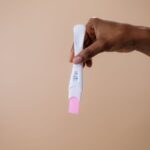
User error is a common cause of false positives, though less common than chemical pregnancies. The most frequent mistake is reading the test too late. Most home pregnancy tests have a window of 3 to 10 minutes. If you read the result after that window, an evaporation line can appear that looks like a faint positive.
Another common error is using an expired test. The chemicals on the test strip degrade over time and can produce inaccurate results. Always check the expiration date before using a test.
Some women also get false positives because they test too early. Most home tests claim to detect pregnancy up to five days before your missed period. But the hCG levels at that point are very low. A test that shows a faint positive at that stage could be a real pregnancy or a chemical pregnancy. Waiting until the day of your missed period gives a much more reliable result.
Here is a quick comparison of common test types and their accuracy:
| Test Type | Accuracy When Used Correctly | Best Time to Test |
|---|---|---|
| Digital test | 99% or higher | Day of missed period |
| Line-based test | 97-99% | Day of missed period |
| Early detection test | About 76% five days before period | Wait until missed period for best result |
| Blood test (at doctor’s office) | Nearly 100% | Any time after missed period |
What Should You Do After a False Positive Pregnancy Test?
If you get a positive test but have doubts, wait 48 to 72 hours and test again. Use a different brand of test if possible. Some brands are more sensitive than others. If the second test is negative, you likely had a chemical pregnancy or an evaporation line.
If you get two positive tests and still have doubts, see your doctor. They can order a quantitative hCG blood test, which measures the exact level of hCG in your blood. A single hCG level is not enough to confirm a pregnancy, but a level above 5 mIU/mL usually indicates pregnancy. A level below 5 mIU/mL means you are not pregnant.
Your doctor may also do an ultrasound to check for a gestational sac. This is usually visible around the time your period is five to six weeks late. If no sac is seen and your hCG levels are not rising normally, it may indicate a chemical pregnancy or another issue.
Some women report that stress, travel, or illness can cause a false positive. There is no clinical evidence for this. Stress does not cause your body to produce hCG. If you get a positive test, it is almost always due to hCG being present in your body for some reason.
Common Misconceptions About False Positive Pregnancy Tests
One widespread myth is that birth control pills can cause a false positive. This is not true. Birth control pills contain synthetic hormones that do not trigger pregnancy tests. The only hormonal birth control that can cause a false positive is the morning-after pill that contains hCG, and that is only if you take it very close to testing.
Another myth is that alcohol or drug use can cause a false positive. There is no evidence that alcohol, marijuana, or other recreational drugs cause your body to produce hCG. If you get a positive test while using these substances, the pregnancy is real or it is a chemical pregnancy.
Some people believe that a faint line always means a false positive. This is not true either. A faint line usually means your hCG levels are low, which is normal in early pregnancy. It could also mean a chemical pregnancy. The only way to know is to test again in a few days and see if the line gets darker.
Finally, there is no evidence that eating certain foods, drinking herbal teas, or taking vitamins can cause a false positive. The only thing that makes a pregnancy test positive is hCG in your body. If you get a positive test and do not understand why, talk to your doctor. Do not rely on internet forums or unverified claims.
Frequently Asked Questions
How long after a false positive can I test again?
Wait 48 to 72 hours before testing again. This gives your body time to either increase hCG levels if pregnant or clear them if not.
Can a urine infection cause a false positive pregnancy test?
Some urinary tract infections can cause false positives, but this is rare. Blood in the urine or certain bacteria can interfere with test chemicals.
Does a faint positive always mean a chemical pregnancy?
No. A faint positive can mean early pregnancy with low hCG levels. Test again in two to three days to see if the line gets darker.
Can an ectopic pregnancy show as a false positive on a home test?
No. An ectopic pregnancy produces hCG and will show as a positive on a home test. It is a real pregnancy that is located outside the uterus.
