
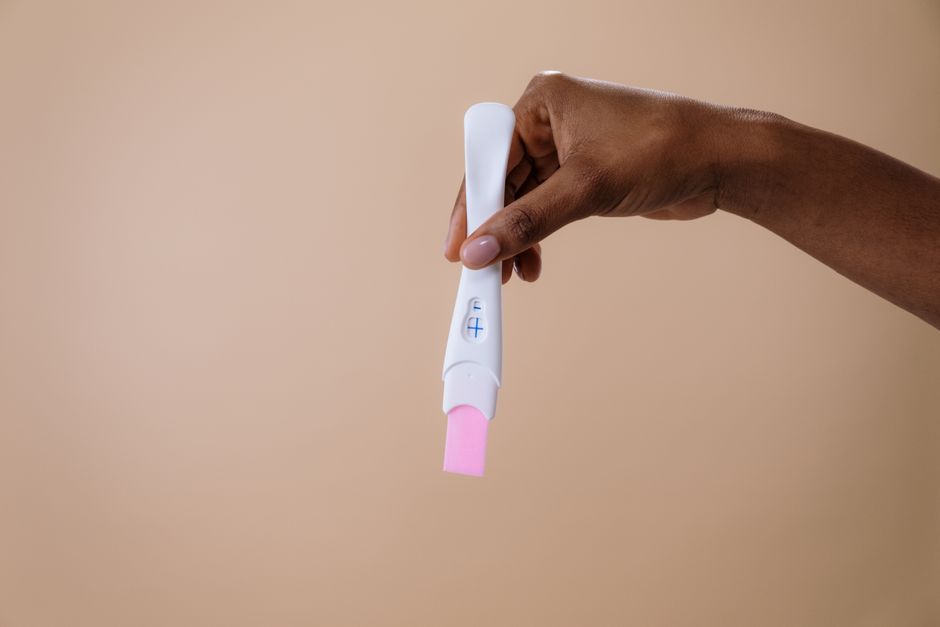
Yes, early pregnancy can cause diarrhea for some women. While constipation is far more common in the first trimester, diarrhea affects roughly 1 in 3 pregnant women at some point. It is not the classic “first sign” of pregnancy like a missed period or nausea, but it happens often enough that it is worth knowing about. The cause is usually a mix of hormonal shifts, dietary changes, and the body adjusting to a growing uterus. Most cases are mild and resolve on their own. But because diarrhea can also signal infection or other problems, it helps to know what is normal and when to call a doctor.
What Causes Diarrhea in Early Pregnancy?
Hormones are the main driver. During early pregnancy, your body produces more progesterone and human chorionic gonadotropin (hCG). These hormones relax smooth muscles throughout the body, including the digestive tract. For most women, this relaxation slows digestion and leads to constipation. But for some, it speeds things up instead. The result is loose, frequent stools.
There is a second factor that gets less attention. Your body also increases blood flow to the pelvic area during early pregnancy. This extra circulation can stimulate the bowels. Some women feel a sudden urge to go right after eating — that is called the gastrocolic reflex, and pregnancy can make it stronger.
Diet changes also play a role. Many women start eating more fruits, vegetables, and fiber when they find out they are pregnant. That is healthy, but a sudden increase in fiber can cause loose stools until your system adjusts. Prenatal vitamins, especially those with iron, can also cause digestive upset. Iron is known to cause constipation in many women, but in others it triggers diarrhea.
Stress and anxiety are real contributors too. Early pregnancy is an emotional time. Worry about the baby, work, finances, or the pregnancy itself can affect gut function. The brain and gut are connected through the vagus nerve. Stress can speed up bowel movements and cause diarrhea.
Is Diarrhea an Early Sign of Pregnancy?
This question gets a lot of attention online, and the answer is more complicated than most articles suggest. Diarrhea alone is not a reliable sign of pregnancy. Research published in the journal BMC Pregnancy and Childbirth found that gastrointestinal symptoms like nausea, vomiting, and constipation are common in early pregnancy, but diarrhea was not listed among the top early indicators.
That said, some women do report diarrhea as one of their first symptoms. The reason is the hormonal shift I mentioned earlier. For these women, progesterone and hCG affect their gut differently than the average person. But here is the honest truth: if you have diarrhea and no other pregnancy symptoms, it is far more likely to be caused by something else — a stomach bug, food intolerance, stress, or irritable bowel syndrome.
If you suspect pregnancy, take a home pregnancy test. That is the only reliable way to know. Diarrhea alone is not enough to go on.
How Long Does Early Pregnancy Diarrhea Last?
For most women, diarrhea in early pregnancy is short-lived. It usually lasts a few days to a week. It often comes and goes in waves. You might have loose stools for two days, then normal bowel movements for a few days, then another episode.
The pattern depends on the cause. If hormones are the trigger, symptoms tend to improve as the body adjusts to pregnancy — usually by the end of the first trimester. If diet or prenatal vitamins are the cause, diarrhea may continue until you make changes. If stress is driving it, symptoms may persist longer if the stress continues.
One important distinction: diarrhea that lasts more than a few days or is severe enough to cause dehydration is not normal. That requires medical attention. Do not wait it out if you are having more than three loose stools per day for more than two days, or if you have signs of dehydration like dark urine, dizziness, or dry mouth.

What Can You Do About Diarrhea During Pregnancy?
Most cases of early pregnancy diarrhea do not need medication. The first step is to support your body while it passes. Here is what actually works based on clinical guidelines from the American College of Obstetricians and Gynecologists and other health authorities:
- Stay hydrated. Diarrhea causes fluid loss. Drink water, clear broths, or oral rehydration solutions. Avoid sugary drinks and sports drinks — they can worsen diarrhea.
- Eat bland foods. The BRAT diet is a classic for a reason. Bananas, rice, applesauce, and toast are easy on the stomach. Add plain crackers, boiled potatoes, and cooked carrots as you improve.
- Avoid trigger foods. Dairy, fatty foods, spicy dishes, caffeine, and artificial sweeteners can make diarrhea worse. Cut them out until symptoms resolve.
- Rest. Pregnancy already demands extra energy. Diarrhea adds to that. Give your body time to recover.
- Consider probiotics. Some studies suggest probiotics can help with pregnancy-related digestive issues. Yogurt with live cultures or a probiotic supplement may help. Talk to your doctor before starting any supplement.
One thing to avoid: over-the-counter anti-diarrhea medications like loperamide (Imodium). These are not recommended during pregnancy unless a doctor specifically advises them. The concern is that they slow bowel activity and could allow harmful substances to stay in your system longer. Stick with hydration and diet changes first.
When Should You Call a Doctor About Diarrhea in Early Pregnancy?
Most diarrhea resolves on its own. But there are clear warning signs that require medical attention. The CDC and ACOG both emphasize that pregnant women should not ignore persistent or severe diarrhea.
| Warning Sign | What It Could Mean |
|---|---|
| Diarrhea lasting more than 2 days | Possible infection or malabsorption issue |
| Blood or mucus in stool | Sign of bacterial infection or inflammatory bowel disease |
| Severe abdominal pain or cramping | Could indicate appendicitis, ectopic pregnancy, or other serious condition |
| Fever over 100.4°F (38°C) | Infection that may affect the pregnancy |
| Signs of dehydration (dark urine, dizziness, dry mouth, less frequent urination) | Fluid loss that can affect both mother and baby |
| Diarrhea accompanied by vomiting | Higher risk of dehydration and electrolyte imbalance |
If you experience any of these, call your obstetrician or midwife. Do not wait. In rare cases, severe diarrhea can lead to preterm labor or other complications. Early treatment is straightforward and effective.
Can Early Pregnancy Cause Diarrhoea Differently Than a Stomach Bug?
It can be hard to tell the difference. Both cause loose stools. But there are a few clues that point toward pregnancy rather than infection.
Pregnancy-related diarrhea is usually mild. You might have two or three loose stools per day, but you do not typically have a fever, nausea, or vomiting with it. It often comes and goes over several days or weeks. It may be worse in the morning or after meals.
A stomach bug, on the other hand, hits hard and fast. It usually includes vomiting, abdominal cramps, fever, and body aches. Symptoms peak within 24 to 48 hours and then resolve. If you have diarrhea with a fever or vomiting, it is almost certainly an infection, not pregnancy.
Food poisoning follows a similar pattern. Symptoms appear within hours of eating contaminated food. They are intense but short-lived. If you ate something questionable and then developed diarrhea, that is the likely cause.
One more thing: if you have irritable bowel syndrome (IBS), pregnancy can make it worse. Hormonal changes and stress can trigger IBS symptoms, including diarrhea. If you have a history of IBS, talk to your doctor about managing it during pregnancy.
Frequently Asked Questions
Can diarrhea be the first sign of pregnancy?
Diarrhea alone is not a reliable first sign of pregnancy. Most women who are pregnant do not experience diarrhea as an early symptom. Take a pregnancy test if you suspect pregnancy.
How early in pregnancy can diarrhea start?
Diarrhea can start as early as week 4 or 5 of pregnancy, around the time of a missed period. It is most common in the first trimester but can occur at any point.
Is diarrhea normal in early pregnancy?
Yes, mild diarrhea that resolves on its own is normal in early pregnancy for some women. It is less common than constipation but still happens frequently. If it is severe or lasts more than two days, see a doctor.
Can prenatal vitamins cause diarrhea?
Yes, some prenatal vitamins, especially those with high iron content, can cause diarrhea in some women. If you suspect your vitamin is the cause, talk to your doctor about switching brands or formulations.
