
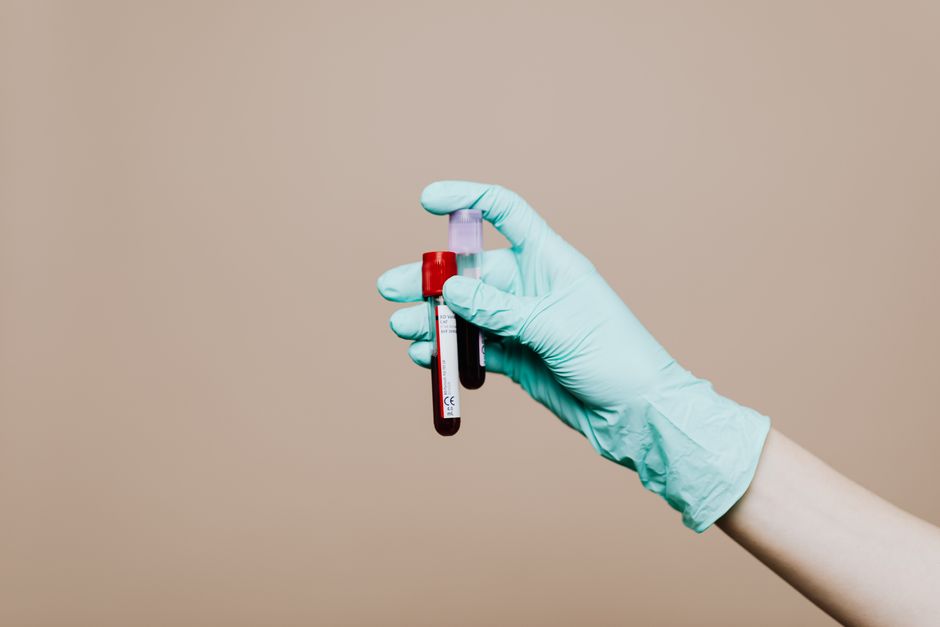
If you take a biotin supplement, the standard advice is to stop it at least 72 hours before your blood draw. Some lab and clinical guidance suggests 8 hours is the minimum, but 72 hours is the safer target because it gives the vitamin time to clear your system. The reason this matters: biotin can interfere with certain lab tests and produce results that look abnormal when nothing is actually wrong.
How Long To Be Off Biotin Before Blood Work?
Three days. That is the answer most clinical labs and test manufacturers give, and it comes from how biotin behaves in the body.
Biotin is water-soluble. Your body does not store large amounts of it, and what you take in beyond your needs is mostly excreted in urine. The half-life of biotin in circulation is roughly two hours in people with normal kidney function. So why 72 hours instead of, say, 12?
Because the interference depends on how much you took, not just how long ago you took it. A standard multivitamin might contain 30 micrograms of biotin. A hair-and-nail supplement can contain 5,000 to 10,000 micrograms. Some products go higher. The higher your dose, the longer it takes for blood levels to fall below the threshold where they can distort a test result.
That is why 72 hours became the common recommendation. It is not a precise pharmacokinetic cutoff. It is a practical buffer that covers most people taking most doses.
Why Does Biotin Interfere With Blood Tests?
Many modern lab tests use a technology called immunoassay. These tests rely on the strong, specific bond between biotin and a protein called streptavidin to detect and measure substances in your blood.
When you have extra biotin circulating, it can compete with the test’s own reagents for binding sites. The result depends on the test design. Some tests read falsely high. Others read falsely low. The direction of the error is not predictable from the outside — it depends on the specific assay and the specific lab.
This is not a rare or theoretical problem. The FDA has issued safety communications about biotin interfering with certain lab tests, including troponin tests used to diagnose heart attacks. That is the most serious known risk. A falsely low troponin result in someone having a heart attack could delay treatment.
Other tests affected include thyroid hormone tests, hormone panels, and some cardiac markers. The list has grown as more labs adopt biotin-streptavidin assay technology.
Which Blood Tests Are Most Affected by Biotin?
Thyroid tests are the most commonly discussed. Biotin can make TSH look falsely low and free T4 and free T3 look falsely high — a pattern that mimics hyperthyroidism. Or it can do the opposite, depending on the assay. Either way, the result does not reflect your actual thyroid function.
Cardiac troponin tests are the most clinically dangerous. A falsely low troponin could lead a doctor to miss a heart attack. A falsely high result could trigger unnecessary procedures.
Other tests where interference has been documented include:
- Thyroid-stimulating hormone (TSH), free T4, free T3
- Cardiac troponin
- Some hormone panels, including tests for hCG (pregnancy), testosterone, and estradiol
- Certain cancer marker tests
- Some vitamin and metabolite tests
Not every version of these tests is affected. It depends on the platform your lab uses. You cannot know which platform your lab uses unless you ask.
How Much Biotin Causes Interference?
The honest answer: there is no single threshold that applies to everyone. It depends on the dose, the test, and the assay.
The FDA has noted that interference has been reported in patients taking doses as low as 5,000 micrograms per day (the amount commonly found in hair, skin, and nail supplements). Some case reports describe interference at even lower doses in people taking high-dose biotin for multiple sclerosis, which can be 100 to 300 milligrams per day — thousands of times higher than a typical supplement.
What about a standard multivitamin with 30 micrograms of biotin? Interference at that dose is unlikely but not impossible. The FDA has not established a dose below which interference never occurs.
This is why the safest approach is not to calculate your personal risk. It is to tell your doctor what you take and stop it before the test.
What Should You Do Before a Blood Test If You Take Biotin?
Tell your healthcare provider. That is the first step, and it matters more than any timing calculation.
If you take a high-dose biotin supplement — anything in the thousands of micrograms — stop it at least 72 hours before your blood draw. Some guidance suggests longer for very high doses. If you take a standard multivitamin, the risk is lower, but stopping it for a few days before a test costs you nothing and removes the variable.
Do not stop prescribed medications without talking to your doctor first. This advice applies to over-the-counter biotin supplements, not to medications your doctor has prescribed for a specific condition.
If you have already had a blood test and the results seem inconsistent with how you feel, ask whether biotin could have affected the result. A repeat test after stopping biotin can clarify the picture.
Does Biotin in Food or Multivitamins Matter?
Food sources of biotin — eggs, nuts, seeds, salmon, sweet potatoes — contain amounts measured in micrograms. A typical diet provides maybe 30 to 70 micrograms per day. That is far below the doses linked to lab interference.
Standard multivitamins usually contain 30 to 300 micrograms. Again, well below the high-dose range.
The concern is almost entirely about standalone biotin supplements, which are often marketed for hair, skin, and nails and sold in doses of 5,000 micrograms or more. If you take one of these, the 72-hour rule applies to you.
One clarification that gets lost: biotin is a real vitamin. Your body needs it. The issue is not that biotin is harmful. The issue is that a lab test can misread your blood when there is too much of it floating around.
What Happens If You Forget To Stop Biotin?
Your test results may be inaccurate. They may look normal when something is wrong, or abnormal when nothing is wrong.
If your doctor does not know you take biotin, they may interpret a distorted result as a real finding. That could lead to unnecessary follow-up tests, unnecessary treatment, or a missed diagnosis.
If you realize after the fact that you took biotin too close to your blood draw, tell your doctor. They can decide whether to repeat the test or interpret the result with caution.
This is not a reason to panic. It is a reason to communicate.
Frequently Asked Questions
How long should I stop taking biotin before a blood test?
Stop biotin at least 72 hours before your blood draw. Some lab guidance suggests 8 hours as a minimum, but 72 hours is the safer standard for high-dose supplements.
Does biotin really affect thyroid blood tests?
Yes. Biotin can interfere with immunoassays used to measure TSH, free T4, and free T3, sometimes producing results that mimic thyroid disease. The direction of the error depends on the specific test your lab uses.
Can I take my multivitamin before blood work if it contains biotin?
Standard multivitamins contain small amounts of biotin, usually 30 to 300 micrograms, which are unlikely to cause interference. If you want to be certain, stop it for 72 hours before the test.
What should I do if I took biotin before my blood test?
Tell your doctor before they interpret the results. They can decide whether to repeat the test or read the result with caution.
