
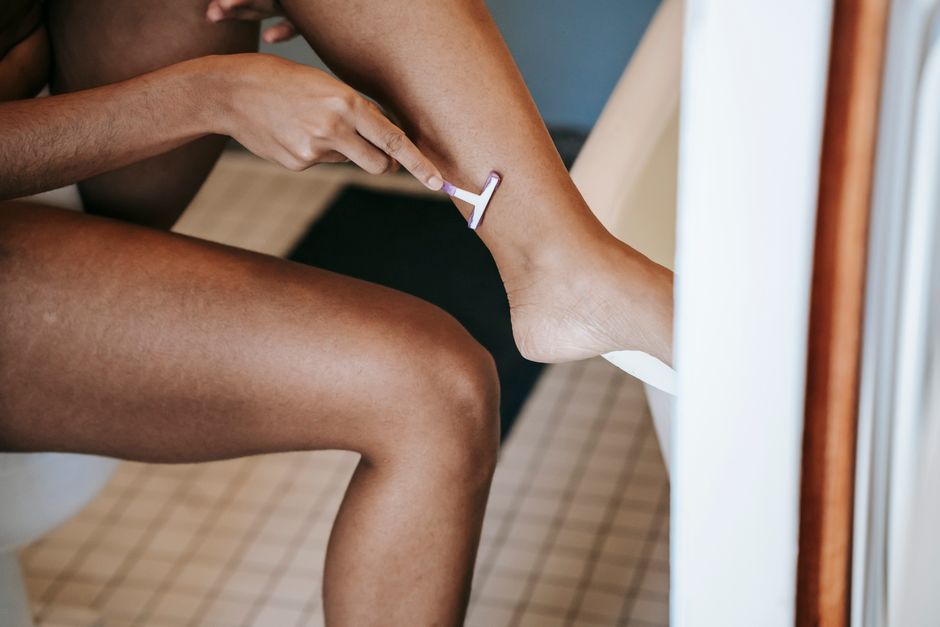
What you do in the first 24 hours after shaving pubic hair matters more than the shave itself. The skin there is thin, warm, and covered by clothing, which traps moisture and friction against the grain of freshly cut hair. Rinse with cool water, pat dry, apply a gentle alcohol-free moisturizer, and wear loose cotton underwear for the rest of the day. Skip tight clothing, heavy sweating, and any fragranced product until the skin settles.
Why Does Pubic Skin Get So Irritated After Shaving?
Pubic skin is not the same as the skin on your legs or underarms. It is thinner, more sensitive to friction, and sits in a warm, moist environment most of the day. That combination makes it more reactive to a razor.
Irritation usually comes from one of four things. The first is mechanical: dragging a blade across curved, loose skin causes microscopic nicks and scrapes. The second is follicular: cutting a hair at an angle can leave a sharp edge that curls back and grows into the skin, which is what causes razor bumps. The third is bacterial: open micro-cuts let normal skin bacteria get where they should not. The fourth is chemical: shaving cream, soap, or lotion that contains fragrance or alcohol can sting already-compromised skin.
Razor bumps have a medical name — pseudofolliculitis barbae. It is an inflammatory reaction, not an infection, though the two can overlap if bacteria get into the irritated follicles. This is why the same shave can leave one person fine and another person itchy and red for a week.
Hair texture plays a role too. Coarse, curly hair is more likely to curve back into the skin after being cut. This is well documented in dermatology and is part of why shaving is not always the best removal method for everyone.
What Is the Best Way to Shave Pubic Hair to Prevent Irritation?
Most irritation is set up before the razor ever touches the skin. The shave itself is the last step, not the first.
Start by trimming long hair with scissors or an electric trimmer first. A razor has to work much harder on long hair, and that extra work means more passes and more friction. Trim to a short stubble before you consider a blade.
Soak the area in warm water for a few minutes. Warm water softens hair and makes it easier to cut cleanly. A shower works well. Do not shave dry.
Use a shave gel or cream made for sensitive skin. Fragrance-free is a reasonable choice for this area. Do not use bar soap — it does not provide enough glide, and it can leave a residue that clogs pores.
Use a sharp, clean razor. A dull blade drags and tugs instead of cutting. Some clinicians recommend a single-blade or fewer-blade razor for this area because multi-blade razors can pull hair up and cut it below the skin surface, which increases the risk of ingrown hairs. This is a reasonable clinical opinion, though head-to-head studies on razor blade count in the pubic area specifically are limited.
Shave in the direction the hair grows. Shaving against the grain gets a closer result but cuts hair at a sharper angle and is more likely to cause irritation and ingrown hairs. If you have sensitive skin, with the grain is the safer default.
Use light, short strokes. Do not press down. Do not go over the same spot repeatedly. Rinse the blade after each stroke.
What To Do Immediately After Shaving to Avoid Irritation
The minutes right after shaving are when the skin is most vulnerable. What you do here sets the tone for the next few days.
- Rinse with cool water to remove leftover shave cream and calm the skin.
- Pat dry with a clean towel. Do not rub.
- Apply a thin layer of alcohol-free, fragrance-free moisturizer or a soothing gel. Aloe vera gel or a plain unscented lotion are common choices. Avoid anything with alcohol, fragrance, or menthol — these sting and can worsen irritation.
- Wear loose cotton underwear for the rest of the day. Tight synthetic fabric traps heat and moisture and rubs against freshly shaved skin.
- Skip the gym, hot yoga, saunas, and swimming pools for the rest of the day. Sweat and chlorinated water both irritate freshly shaved skin.
- Do not apply deodorant, perfume, or scented body spray to the area.
Some clinicians suggest a gentle chemical exfoliant containing salicylic acid or glycolic acid a day or two after shaving to help prevent ingrown hairs. This is a common recommendation in dermatology practice, though evidence specific to the pubic area is limited. If you try it, patch test on a small area first and never apply it to broken or freshly shaved skin.





How Long Does Irritation Usually Last?
Mild razor irritation usually settles within a few hours to a couple of days. Redness and small bumps that appear right after shaving often fade on their own if you leave the area alone.
Razor bumps from ingrown hairs can take longer. They may persist for several days to a few weeks, depending on how deeply the hair has curled into the skin. Picking at them makes it worse and can introduce bacteria.
If redness, swelling, or pain is getting worse instead of better after 2–3 days, or if you see pus-filled bumps, that suggests an infection rather than simple irritation. See a healthcare provider. Folliculitis — inflammation or infection of the hair follicles — can require treatment and does not always resolve on its own.
What Actually Helps Razor Bumps and Ingrown Hairs?
Time and hands-off care help most mild cases. The skin needs to push the hair out on its own.
Warm compresses can help soften the skin and encourage an ingrown hair to surface. Apply a clean warm cloth for a few minutes a few times a day. Do not squeeze or dig at the bump.
Over-the-counter hydrocortisone cream may reduce inflammation for short-term use. It is not a cure for an ingrown hair, and it should not be used long-term without medical advice. If the bump is infected, hydrocortisone alone will not treat it.
For persistent or recurring razor bumps, some dermatologists recommend prescription treatments such as topical retinoids or antibiotics. These require a diagnosis and a prescription — they are not something to self-treat.
If ingrown hairs are a recurring problem for you, the issue may be the shaving method itself. Alternatives like trimming with an electric trimmer, using depilatory creams (which can also irritate sensitive skin), or professional waxing or laser hair removal may cause fewer ingrown hairs for some people. Laser hair removal is the only method that reduces hair growth over time, though it requires multiple sessions and is not permanent for everyone. Evidence supports it as effective for hair reduction, but results vary by hair color, skin tone, and hormone status.
When Should You See a Doctor?
Most post-shave irritation is not dangerous and resolves on its own. But some signs mean it is time to get it looked at.
- Spreading redness, warmth, or swelling
- Pus-filled bumps or drainage
- Fever or feeling unwell
- Pain that is getting worse rather than better
- Bumps that keep coming back in the same spot despite changing your shaving routine
- Any sore that does not heal
These can point to a bacterial infection, which may need antibiotics. In rare cases, a persistent sore or lump in the genital area can have other causes that need evaluation. Do not assume it is just a razor bump if it is not behaving like one.
People with certain skin conditions, diabetes, or weakened immune systems may be more prone to infection after shaving and should be quicker to seek care.
Does Hair Removal Method Change the Irritation Risk?
Yes, and the differences matter. Shaving cuts hair at the surface with a blade, which is the most common cause of razor bumps and ingrown hairs. Trimming with an electric trimmer leaves hair longer and cuts it above the skin, so it causes far less irritation.
Waxing and epilating pull hair out from the root. This can cause redness and bumps right after, but because the hair is removed below the surface, ingrown hairs can still happen as the hair regrows. Depilatory creams dissolve hair chemically and can cause chemical burns or allergic reactions on sensitive skin, especially if left on too long.
Laser hair removal targets the hair follicle with light energy and can reduce hair growth over time. It is the method most likely to reduce recurring razor bumps, but it requires multiple sessions, works best on dark hair with light skin, and is not covered by most insurance plans for cosmetic reasons.
There is no method that eliminates irritation risk entirely. The best choice depends on your hair type, skin sensitivity, and how much upkeep you are willing to do.
Frequently Asked Questions
How do I stop itching after shaving pubic hair?
Rinse with cool water, pat dry, and apply a fragrance-free moisturizer or aloe vera gel right away. Avoid tight clothing and sweating for the rest of the day, since both make itching worse.
Should I put deodorant on pubic hair after shaving?
No. Deodorant contains alcohol and fragrance that sting freshly shaved skin and can make irritation worse. Use a plain, unscented moisturizer instead.
How long do razor bumps last after shaving?
Mild razor bumps usually fade within a few days, but ingrown-hair bumps can last several days to a few weeks. If they are getting worse after 2–3 days or contain pus, see a healthcare provider.
Can I shave pubic hair every day?
Shaving daily increases friction and the chance of irritation and ingrown hairs. Most people do better waiting at least a few days between shaves and trimming in between.
