
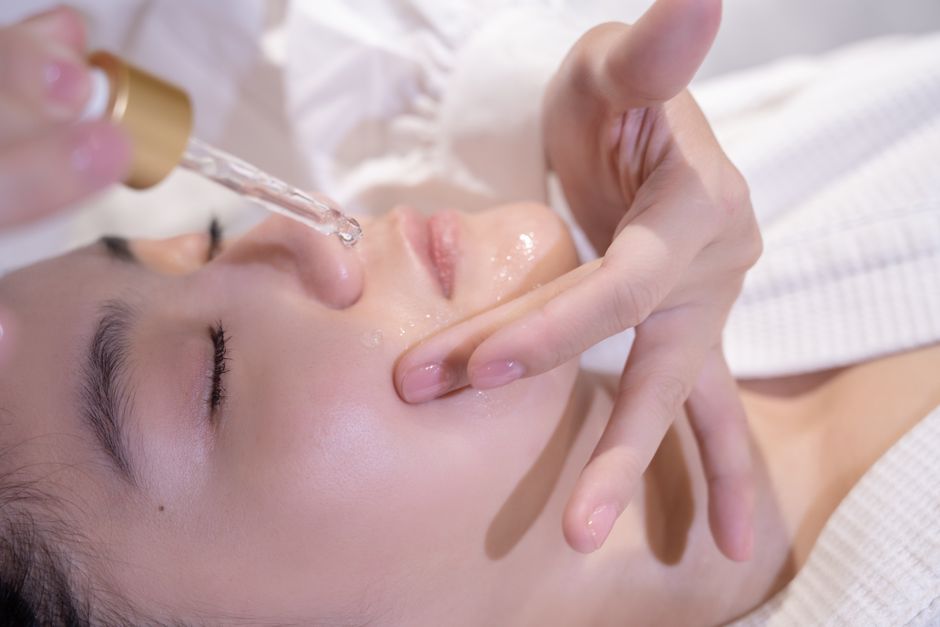
Skin irritation settles fastest when you stop what is aggravating it, calm the inflammation, and then give the skin barrier time to repair itself. That means gentle cleansing, consistent moisturizing with barrier-supporting ingredients, and avoiding anything that strips or irritates the skin further. Most mild irritation improves within days to a couple of weeks once the trigger is removed, though full barrier recovery can take longer.
The skin is not just a covering. It is an active barrier, and irritation is what happens when that barrier is disrupted. Understanding what went wrong is the difference between a fix that lasts and one that keeps coming back.
What Is Actually Happening When Skin Gets Irritated?
Irritated skin is damaged barrier skin. The outer layer of the skin, called the stratum corneum, works like a brick wall. Skin cells are the bricks, and a mixture of lipids — ceramides, cholesterol, and fatty acids — acts as the mortar holding them together. This structure keeps water in and irritants out.
When the barrier is disrupted, two things happen at once. Water escapes more easily, which is why irritated skin often feels tight and dry. At the same time, irritants, allergens, and microbes get in more easily, which triggers redness, stinging, and itching.
This is why harsh products can create a vicious cycle. A cleanser that strips oils damages the barrier a little more. The skin feels dry, so you apply more product. The irritation worsens. Breaking that cycle is the first real step toward recovery.
One clarification worth making: irritation and allergy are not the same thing. Irritant contact dermatitis is a direct chemical or physical injury to the skin. Allergic contact dermatitis is an immune reaction to a specific substance. They can look similar, but allergies tend to appear where the substance touched the skin and may spread or persist. If a rash keeps returning in the same spot after contact with a specific product, an allergy is worth discussing with a clinician.
What Usually Causes Skin Irritation?
Most irritation comes from a short list of common culprits. Identifying yours matters more than any single product you can buy.
- Over-cleansing and hot water. Frequent washing and hot showers strip the lipids that hold the barrier together.
- Harsh soaps and detergents. High-pH cleansers disrupt the skin’s natural acid balance.
- Fragrance and essential oils. Fragrance is among the most common causes of contact reactions.
- Exfoliating acids and retinoids. Useful ingredients that irritate when overused or layered too aggressively.
- Weather and low humidity. Cold air and indoor heating pull moisture from the skin.
- Friction and fabrics. Rough clothing, tags, and repeated rubbing cause mechanical irritation.
- Skin conditions. Eczema, psoriasis, and rosacea cause recurring irritation that needs medical management.
Some people are more vulnerable. Aging thins the skin and reduces lipid production. So does long-term sun exposure. People with a history of eczema often have a genetically weaker barrier to begin with.
How To Fix Skin Irritation Soothe And Rebuild?
Treat it in two phases: calm first, then rebuild. Trying to do both at once with aggressive products usually backfires.
Phase one: soothe and stop the damage
Remove the trigger. If you started a new product in the past two weeks, stop it. Simplify your routine to a gentle cleanser and a plain moisturizer. Nothing else.
Wash with lukewarm water, not hot. Keep showers short. Pat skin dry rather than rubbing. Skip exfoliants, retinoids, fragrance, and anything with alcohol high on the ingredient list until the skin has settled.
For active redness and itching, a cool compress can help. Some clinicians recommend short-term use of an over-the-counter hydrocortisone cream for localized irritation, but this should be limited to small areas and short durations, and it is not appropriate for the face or broken skin without medical advice. If you are unsure, ask a pharmacist or clinician.
Phase two: rebuild the barrier
Once the stinging and redness fade, the work shifts to repair. Moisturizers do more than add water. The right ones supply the lipids the barrier is missing.
Look for products containing ceramides, cholesterol, and fatty acids together. This combination mimics the skin’s natural lipid mix. Research on barrier repair has consistently found that replacing these lipids supports recovery of the skin’s protective function.
Humectants like glycerin and hyaluronic acid draw water into the skin. Occlusives like petrolatum and dimethicone sit on top and slow water loss. A good moisturizer usually combines both types.
Apply moisturizer to slightly damp skin after washing. This traps water where it helps most. Do it at least twice a day, and more often if the skin feels tight.





Which Ingredients Actually Help and Which to Avoid?
The ingredient list matters more than the marketing on the front of the package. Here is a practical breakdown.
| Ingredient | Role | Evidence position |
|---|---|---|
| Ceramides | Replace barrier lipids | Well established in barrier repair |
| Petrolatum | Seals in water | Long-standing, reliable occlusive |
| Glycerin | Draws in water | Well established humectant |
| Niacinamide | Supports barrier and reduces redness | Some evidence, generally well tolerated |
| Colloidal oatmeal | Soothes itching and irritation | Recognized soothing ingredient |
| Fragrance | None — common irritant | Avoid during irritation |
| Essential oils | None — common irritant | Avoid during irritation |
Be cautious with products marketed as “natural.” Botanical extracts and essential oils are frequent causes of contact reactions. Natural does not mean gentle.
Also be skeptical of claims that a product “repairs DNA” or “resets” skin. No over-the-counter cream does that. Barrier repair is a gradual process of replacing lipids and reducing water loss, and the evidence supports that plainly.
How Long Does It Take for Irritated Skin to Heal?
Mild irritation usually improves within a few days once the trigger is removed. Redness and stinging often settle first. Dryness and tightness can take one to two weeks to resolve fully.
More significant barrier damage takes longer. The skin constantly renews itself, and a full cycle of cell turnover takes roughly four weeks in adults. That means visible recovery can lag behind how the skin actually feels.
If irritation has not improved after two weeks of gentle care, or if it is getting worse, see a clinician. Persistent redness, swelling, oozing, or spreading rash are signs that something more than simple irritation may be involved.
When Should You See a Doctor?
Most irritation is manageable at home. Some situations need medical attention.
- Signs of infection: warmth, pus, spreading redness, or fever
- Irritation that worsens despite gentle care
- Rash that spreads beyond where a product touched the skin
- Severe itching that disrupts sleep
- Irritation around the eyes, mouth, or genitals
- Recurring flares that suggest eczema, psoriasis, or an allergy
These are not reasons to panic. They are reasons to get a proper look. A clinician can distinguish between irritant and allergic contact dermatitis, and between irritation and a condition like eczema that needs a different approach.
How Do You Prevent Irritation From Coming Back?
Prevention is mostly about not repeating what caused the problem. Introduce new products one at a time, with a gap of several days between them, so you can tell what caused a reaction.
Patch test new products on a small area of skin before applying them widely. Keep your routine simple. Fewer products mean fewer chances for something to go wrong.
Protect the barrier daily. Moisturize consistently, even when skin feels fine. Use sunscreen, since sun damage weakens the barrier over time. Keep showers short and lukewarm.
If you have a diagnosed skin condition, follow your treatment plan rather than waiting for a flare to manage it. Consistent maintenance is generally more effective than reacting after the fact.
Frequently Asked Questions
How can I soothe irritated skin fast?
Stop the product or habit likely causing it, wash with lukewarm water, and apply a plain fragrance-free moisturizer to damp skin. A cool compress can ease active redness and itching.
What ingredient repairs the skin barrier?
Ceramides combined with cholesterol and fatty acids are the best-supported barrier-repair ingredients. Petrolatum and glycerin also help by sealing in water and drawing it into the skin.
Should I stop using all skincare when my skin is irritated?
Simplify rather than stop completely. A gentle cleanser and a basic moisturizer should stay; active ingredients, exfoliants, and fragrance should go until the skin settles.
How do I know if it is irritation or an allergy?
Irritation usually stays where the substance touched the skin and improves once it is removed. An allergy can spread, persist, or worsen with repeated exposure, and may need clinical testing to confirm.
