
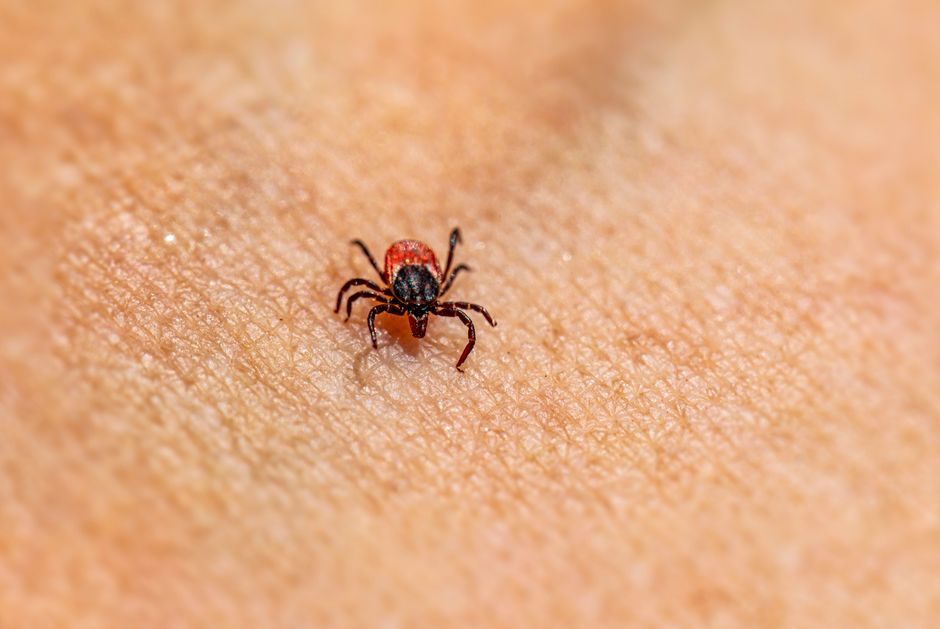
A tick bite is often harmless, but the steps you take in the hours after removing a tick matter. Clean the bite with soap and water and apply a mild antiseptic. Save the tick in a sealed container or photograph it, note the date, and watch the bite site for a rash over the next few weeks. Most people recover fully without treatment, but some need antibiotics to prevent or treat tick-borne illness.
What follows is a step-by-step guide to the first 24 hours, the weeks that follow, and the warning signs that mean you should call a doctor rather than wait.
What should you do immediately after removing a tick?
Clean the area well and leave the wound alone. Wash the bite site and your hands with soap and running water. Applying a mild antiseptic to the skin is reasonable. Do not scrub hard, and do not cover the bite with a tight bandage.
Proper removal technique matters more than most people realize. Use fine-tipped tweezers and grasp the tick as close to the skin as you can. Pull straight up with steady, even pressure. Do not twist or jerk. Do not squeeze the tick’s body, because that can push its stomach contents into your skin. If parts of the mouth remain embedded, leave them — your body will usually expel them on its own, and digging for them can cause more damage than the fragment itself.
Skip the old folk remedies. Petroleum jelly, nail polish, alcohol, and a lit match do not make a tick let go. They can make the tick regurgitate into the bite, which is the opposite of what you want.
Save the tick. Place it in a small sealed container or a zip-top bag, or take a clear close-up photo. Knowing the species and how long it was attached helps a doctor decide whether preventive treatment is worth considering. Write down the date you found it.
Should you see a doctor after a tick bite?
Most tick bites do not need a doctor’s visit. A bite from a tick that was attached for a short time and shows no signs of illness usually resolves on its own. Watch and wait is a reasonable approach for many people.
There are situations where calling a clinician is the right move. Contact a healthcare provider if:
- You cannot remove the tick, or part of it stays deeply embedded and the area looks infected.
- A rash appears, especially one that expands over days.
- You develop fever, chills, fatigue, muscle aches, or a severe headache within a few weeks.
- The tick was attached for a long time and you live in or visited an area where Lyme disease is common.
- You are pregnant, immunocompromised, or have young children and are unsure what to do.
Some clinicians offer a single preventive dose of an antibiotic after a high-risk bite — typically a tick that was attached for an extended period in a region where Lyme disease is widespread. This is not a universal recommendation, and whether it applies to you depends on the tick species, how long it fed, and where you were. Ask a clinician rather than self-treating. Antibiotics carry their own risks, and they are not appropriate for every bite.
What does a tick bite rash look like, and when does it appear?
A rash is the single most useful signal to watch for. The classic Lyme disease rash — called erythema migrans — often begins as a flat or slightly raised red spot at the bite site. Over several days it can expand outward, sometimes clearing in the center to form a ring or “bull’s-eye” pattern. But not everyone gets the bull’s-eye. Many rashes are solid red patches that simply grow larger.
Timing is a key clue. A reaction that shows up within hours of the bite and is itchy is often just a local allergic reaction to the tick’s saliva, not an infection. An infection-related rash usually takes several days to a few weeks to appear. If a red patch keeps getting bigger over a period of days, that is worth a call to a doctor.
Not all tick-borne illnesses cause the same rash. Some produce a different pattern or no rash at all. Because the appearance varies, a clinician’s assessment matters more than trying to match a photo online.




What are the early symptoms of a tick-borne illness?
Watch for flu-like symptoms in the weeks after a bite. Early signs of illnesses such as Lyme disease can include fever, chills, fatigue, muscle and joint aches, and headache. These can appear before or alongside a rash, and they are easy to mistake for a common virus.
The timing window matters. Symptoms usually emerge within days to a few weeks after an infectious bite. That is why noting the bite date is useful — it gives you and your doctor a reference point.
Different tick-borne diseases cause different patterns of illness, and some are more serious than others. A tick-borne infection that goes untreated can spread to joints, the heart, or the nervous system over time. This is why early symptoms deserve attention rather than a wait-and-see approach once they appear. The evidence is strong that early treatment of Lyme disease is more effective than delayed treatment.
How long does it take to recover from a tick bite?
A simple bite with no infection usually settles within a few days to about a week. Redness and mild itching at the site are common and fade on their own.
Recovery from a tick-borne illness depends on the disease and how quickly it is treated. Many people treated early for Lyme disease recover fully. Some continue to have lingering fatigue, muscle aches, or joint pain after treatment — a pattern sometimes called post-treatment Lyme disease syndrome. The cause is not fully understood, and the evidence on how best to manage it is limited and mixed. This is an area where honest uncertainty remains.
Recovery timelines vary widely between individuals and between different tick-borne infections. A clinician who knows your specific situation can give you a more realistic picture than any general estimate.
How can you prevent tick bites in the first place?
Prevention is more reliable than treatment. Ticks wait on grass and low brush and latch onto passing people or animals. They do not drop from trees. Knowing where they actually are changes how you protect yourself.
Practical steps that reduce risk:
- Walk in the center of trails and avoid tall grass and brushy edges.
- Treat clothing and gear with products registered for that purpose, and use insect repellent on exposed skin according to label directions.
- Wear light-colored clothing so ticks are easier to spot.
- Do a full-body tick check after time outdoors, including under the arms, in and around the ears, inside the belly button, behind the knees, between the legs, and in the hair.
- Shower soon after coming inside, and tumble dry clothes on high heat to kill any ticks.
- Check pets too, since they can carry ticks indoors.
A tick usually needs to be attached for a meaningful period before it can transmit certain infections, so removing ticks promptly — ideally the same day you find them — lowers your risk. The exact attachment time needed varies by disease and is not identical for every tick-borne illness.
The bottom line on recovery
For most people, a tick bite is a minor event. Remove the tick correctly, clean the site, save the tick, and keep an eye on the bite and how you feel for the next few weeks. A growing rash or flu-like symptoms are your cue to call a doctor rather than wait. Early attention to those signals is the single most important thing you can do to support a full recovery.
Frequently Asked Questions
How soon after a tick bite do symptoms appear?
Infection-related symptoms usually appear within days to a few weeks after an infectious bite. A reaction that shows up within hours is more often a local reaction to the tick’s saliva than an infection.
Should I get tested for Lyme disease right after a tick bite?
Testing right after a bite is generally not useful because it takes time for the body to produce detectable antibodies. A clinician can advise on whether and when testing makes sense for your situation.
What happens if I can’t get the whole tick out?
If a small piece of the mouthparts stays embedded, it usually works its way out on its own. Clean the area and watch for signs of infection rather than digging for the fragment.
Can a tick bite make you sick even if there’s no rash?
Yes. Some tick-borne illnesses can cause fever, fatigue, and aches without any rash. That is why watching for flu-like symptoms matters even when the bite site looks normal.
