
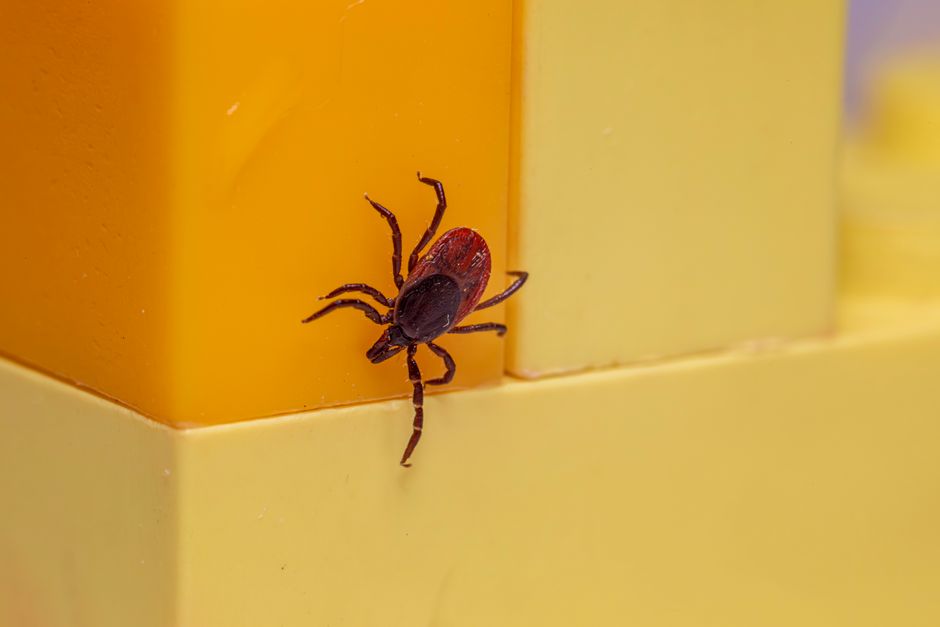
Finding a tick attached to your skin is unsettling. The way you remove it matters more than you might think. A rushed or incorrect removal can increase your risk of infection. The goal is simple: get the entire tick out as quickly as possible without crushing it or leaving its mouthparts behind.
The safest method is to use fine-tipped tweezers to grasp the tick as close to your skin as possible and pull straight up with steady, even pressure. Do not twist, jerk, or squeeze the tick’s body. After removal, clean the area with rubbing alcohol or soap and water. That is the entire process. The details below explain why this works and what to avoid.
Why the Removal Method Matters
Ticks attach by inserting a feeding tube with barbed mouthparts into your skin. Many also secrete a cement-like substance that helps them stay anchored. If you grasp the tick by its body, you risk squeezing its gut contents back into your bite wound. Ticks can carry pathogens, and forcing their internal fluids into your bloodstream is exactly what you want to prevent.
Twisting or jerking the tick can cause its mouthparts to break off and remain embedded in your skin. This increases the chance of local infection and makes future removal harder. The correct technique is a straight, steady pull that allows the mouthparts to release naturally.
How To Make A Tick Let Go Without Making It Worse
Use fine-tipped tweezers. Do not use blunt tweezers, your fingers, or a match.
- Grasp the tick as close to the surface of your skin as possible. You want to hold the tick’s head, not its engorged body.
- Pull upward with steady, even pressure. Do not twist or jerk the tick. This can cause the mouthparts to break off and stay in the skin.
- Do not squeeze the tick’s body. Squeezing can push infectious fluids from the tick into your bloodstream.
- After removal, disinfect the bite area and wash your hands with soap and water.
If mouthparts remain in the skin, leave them alone. They will often work their way out on their own. Attempting to dig them out with a needle can cause more tissue damage and increase infection risk. If you are concerned about the remaining mouthparts, contact a healthcare provider.
What Not To Do When Removing a Tick
Many folk remedies for tick removal are not just ineffective — they can be harmful. Some methods that people have tried include covering the tick with petroleum jelly, nail polish, or alcohol, or using heat from a match or lighter. These methods are dangerous and should never be used.
When a tick is suffocated or irritated, it may regurgitate its stomach contents into the bite wound. This is a direct route for pathogens to enter your bloodstream. Heat can cause the tick to burst, which is equally dangerous. The only safe approach is mechanical removal with tweezers.
Some people use a twisting tool like a tick key or tick twister. These tools can be effective, but they require careful technique. The key is to slide the tool under the tick’s body and rotate it gently without squeezing. If you are not confident using these tools, fine-tipped tweezers are the safer choice.




What To Do After the Tick Is Removed
Clean the bite area with rubbing alcohol or soap and water immediately after removal. This reduces the risk of local skin infection. You do not need to apply antibiotic ointment unless you have been advised to do so by a healthcare provider.
Save the tick in a sealed plastic bag or a small container with rubbing alcohol. Label it with the date. If you develop symptoms in the following weeks, your healthcare provider may want to identify the tick species. Not all ticks carry the same diseases, and knowing the species can guide testing and treatment decisions.
Watch the bite site for a few weeks. A small red bump is common and usually resolves on its own. However, a circular rash that expands outward — sometimes described as a bullseye — can be a sign of Lyme disease. Fever, fatigue, headache, or muscle aches within a few weeks of a tick bite should also prompt a medical evaluation.
When To See a Doctor After a Tick Bite
Most tick bites do not lead to serious illness. However, you should seek medical attention if you develop a rash, fever, or flu-like symptoms within several weeks of a tick bite. These can be signs of a tick-borne illness such as Lyme disease, anaplasmosis, or babesiosis.
The rash associated with Lyme disease appears in about 70 to 80 percent of infected people. It typically appears within 3 to 30 days after the bite. The rash may be warm to the touch but is usually not painful or itchy. If you see this rash, see a healthcare provider promptly. Early treatment with antibiotics is highly effective for Lyme disease.
If you are pregnant, immunocompromised, or have a known allergy to tick bites, contact a healthcare provider after any tick bite even if you have no symptoms. They can advise you on whether monitoring or preventive treatment is appropriate.
How To Prevent Tick Bites in the First Place
Prevention is always better than removal. Ticks are most active in warmer months, but some species remain active year-round. They are commonly found in grassy, brushy, or wooded areas.
When spending time outdoors in tick habitat, wear long sleeves and long pants. Tuck your pants into your socks to create a barrier. Light-colored clothing makes ticks easier to spot. Use an EPA-registered insect repellent that contains DEET, picaridin, or oil of lemon eucalyptus. Permethrin-treated clothing can also repel ticks effectively.
After spending time outdoors, check your body for ticks. Pay close attention to areas where ticks commonly attach: behind the knees, in the armpits, in the groin area, around the waist, and in or behind the ears. Ticks can be very small — nymphs are about the size of a poppy seed — so look carefully.
Shower within two hours of coming indoors. This has been shown to reduce the risk of tick-borne disease. It also gives you a chance to find and remove any ticks that may be crawling on your skin before they attach.
Frequently Asked Questions
Does rubbing alcohol make a tick let go?
No. Rubbing alcohol can irritate the tick and cause it to regurgitate into the bite wound. Use tweezers for mechanical removal instead.
What happens if the tick’s head stays in the skin?
Leave it alone. The mouthparts will usually work their way out on their own within a few days. Digging them out can increase infection risk.
Can I use a match to remove a tick?
No. Heat can cause the tick to burst or regurgitate, increasing the risk of infection. This method is dangerous and should never be used.
How long does a tick need to be attached to transmit Lyme disease?
Transmission typically requires the tick to be attached for 36 to 48 hours or more. Removing the tick promptly reduces but does not eliminate the risk of disease transmission.
