
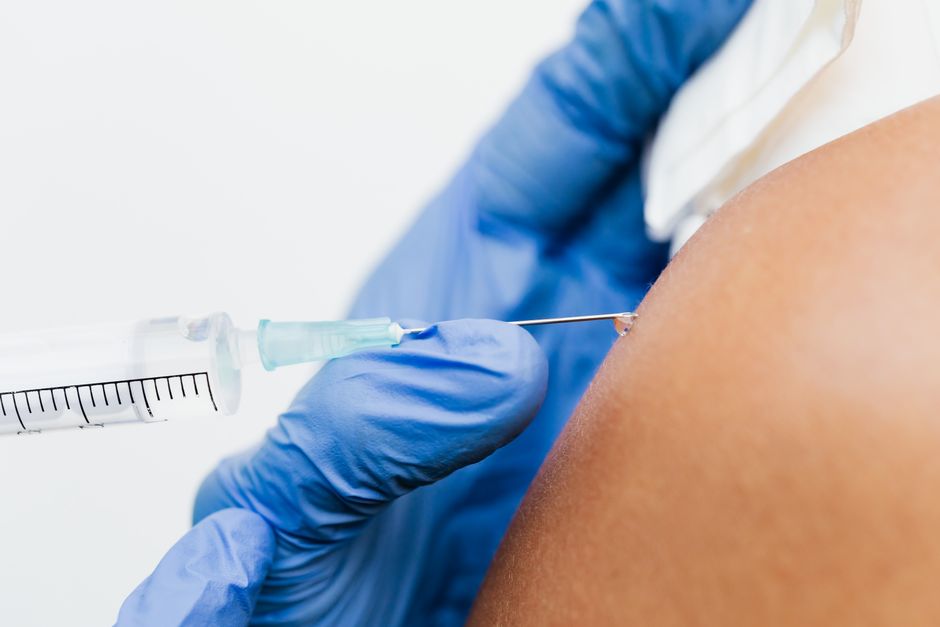
An eye injection is a procedure where medication is delivered directly into the eye with a very thin needle. It is most commonly used to treat retinal conditions like wet age-related macular degeneration, diabetic eye disease, and macular edema. The procedure takes only a few minutes in an office setting, and recovery is usually fast, though some temporary blurring and redness are normal.
What Is An Eye Injection Uses Procedure Recovery?
Eye injections deliver medication straight to the back of the eye, where the retina sits. The retina is the light-sensitive tissue that sends visual signals to the brain. When disease damages the retina, oral medications often cannot reach it in high enough doses. Injecting the drug directly into the vitreous — the clear gel filling the eye — puts the medicine exactly where it is needed.
Most eye injections treat conditions caused by abnormal blood vessel growth or fluid leakage. These conditions include wet age-related macular degeneration, diabetic macular edema, and retinal vein occlusion. The injections are typically given every four to twelve weeks, depending on the disease and the specific drug used.
The procedure is routine. An ophthalmologist numbs the eye with drops, cleans the surface, and uses a speculum to hold the eyelids open. The injection itself takes seconds. Most people feel pressure but not sharp pain.
What Conditions Are Treated With Eye Injections?
Eye injections treat several sight-threatening conditions. The most common is wet age-related macular degeneration (AMD). In wet AMD, abnormal blood vessels grow under the retina and leak fluid, damaging central vision. Anti-VEGF injections block a protein called vascular endothelial growth factor, which drives this abnormal vessel growth.
Diabetic macular edema is another frequent reason for injections. High blood sugar damages the tiny blood vessels in the retina, causing them to leak fluid into the macula — the central part of the retina. This fluid buildup blurs vision. Injections reduce the leakage and help preserve sight.
Retinal vein occlusion happens when a vein in the retina becomes blocked. Blood and fluid back up, causing swelling and vision loss. Anti-VEGF injections or steroid injections can reduce this swelling.
Some steroid injections treat inflammatory eye conditions like uveitis, a swelling of the middle layer of the eye. Steroids calm the inflammation, but they carry higher risks of cataract and glaucoma, so doctors use them selectively.
What Are the Different Types of Eye Injections?
There are two main categories: anti-VEGF medications and corticosteroids.
Anti-VEGF drugs are the most widely used. These include ranibizumab, aflibercept, and bevacizumab. They work by blocking the VEGF protein, which stops abnormal blood vessel growth and reduces fluid leakage. All three are effective, though they differ in dosing frequency and cost. Some newer agents last longer between injections, which reduces the number of visits needed.
Corticosteroid injections treat inflammation and swelling. They are often used when anti-VEGF drugs are not effective or when the eye condition is inflammatory in nature. Steroid implants can release medication slowly over months.
Antibiotic injections are rare and reserved for severe eye infections like endophthalmitis, a dangerous infection inside the eye. These require urgent treatment and often hospitalization.





What Happens During the Procedure?
You will sit in an exam chair, similar to a regular eye appointment. The doctor applies numbing eye drops. You may also receive an antiseptic to reduce infection risk. Some doctors use a lid speculum to keep your eye open during the injection.
You will be asked to look in a specific direction. The doctor inserts a very thin needle through the white part of the eye, called the sclera, into the vitreous cavity. The injection takes one to two seconds. You may feel pressure or a slight sting, but the numbing drops usually keep pain minimal.
The entire visit typically lasts 15 to 30 minutes. The injection itself takes less than a minute. Most people drive themselves home, though some prefer to have a companion, especially for the first visit.
What Is Recovery Like After an Eye Injection?
Recovery is generally quick. Most people return to normal activities the same day. You may notice floaters — small moving spots in your vision — for a few days. These are usually tiny air bubbles or medication particles and are harmless.
Some redness or a small red spot on the white of the eye is common. This is a subconjunctival hemorrhage, a broken blood vessel under the clear surface. It looks alarming but usually fades within one to two weeks.
Blurred vision can last a few hours to a day. The numbing drops and the medication itself can cause temporary blur. You should avoid rubbing your eye for at least a few hours after the injection to prevent irritation or infection.
Your doctor will give specific instructions. Common advice includes avoiding swimming or hot tubs for a few days, not wearing eye makeup for 24 hours, and using preservative-free artificial tears if your eyes feel dry.
What Are the Risks and Side Effects?
Serious complications are rare but possible. The most concerning is endophthalmitis, a severe infection inside the eye. It occurs in roughly one in every few thousand injections. Symptoms include increasing pain, redness, light sensitivity, and worsening vision within a few days. This is a medical emergency requiring immediate treatment.
Retinal detachment is another rare complication. The needle can occasionally tear the retina, causing it to pull away from the back of the eye. Symptoms include sudden flashes of light, a shower of new floaters, or a curtain-like shadow in your vision. This also requires urgent care.
Elevated eye pressure can occur after injection. This is usually temporary, but repeated injections can raise the risk of glaucoma in some people. Your doctor will monitor your eye pressure at follow-up visits.
Some people develop inflammation inside the eye. This can cause discomfort and blurred vision but usually responds to treatment. Cataract progression is a long-term risk, especially with steroid injections.
How Effective Are Eye Injections?
Anti-VEGF injections are among the most effective treatments in modern ophthalmology. For wet AMD, they have transformed a condition that once led to legal blindness in most affected people. With regular treatment, many people maintain functional vision for years.
For diabetic macular edema, injections significantly improve vision in a large percentage of patients. The key is consistent treatment. Missing injections or delaying follow-up visits allows fluid to return, and vision loss can become permanent.
Results vary by individual. Some people respond dramatically after one injection. Others need several before seeing improvement. Your doctor will evaluate your response with eye exams and imaging tests like optical coherence tomography, which measures retinal thickness.
It is important to understand that these injections treat the disease — they do not cure it. Most people need ongoing treatment. The frequency may decrease over time, but stopping treatment entirely often leads to recurrence.
How Long Do the Effects of an Eye Injection Last?
The duration depends on the medication and the condition being treated. Some drugs last four weeks, others eight to twelve weeks. Your doctor will determine the right interval based on how your eye responds.
Some newer medications are designed to last longer. Extended-release formulations and implants can provide coverage for several months. These are especially helpful for people who struggle with frequent appointments.
Your retina specialist will use a “treat-and-extend” approach in many cases. This means you receive injections at increasingly longer intervals as long as your eye remains stable. If fluid returns, the interval shortens again.
Who Should Not Get Eye Injections?
Most people with retinal disease can safely receive injections. However, certain situations require caution. If you have an active eye infection or inflammation, the injection may need to be delayed until the infection clears.
People with uncontrolled glaucoma may need additional monitoring. Steroid injections, in particular, can raise eye pressure significantly. Your doctor will discuss alternatives if this is a concern.
If you take blood thinners, tell your doctor. Most injections proceed safely even on blood thinners, but there is a slightly higher risk of bleeding under the eye surface. Your doctor may coordinate with your prescribing physician about whether to pause the medication, though this is often not necessary.
Pregnant women should discuss risks and benefits carefully. Some anti-VEGF medications cross the placenta, and safety data are limited. Your doctor will weigh the risk to the pregnancy against the risk of untreated retinal disease.
Frequently Asked Questions
Does an eye injection hurt?
Most people feel pressure but not sharp pain because numbing drops are used. Some report a brief sting when the medication enters the eye.
How long does an eye injection take?
The injection itself takes one to two seconds. The full visit, including numbing and preparation, usually takes 15 to 30 minutes.
Can I drive home after an eye injection?
Many people can, but blurred vision and floaters may make driving unsafe for a few hours. Ask your doctor for specific guidance.
How often do I need eye injections?
It depends on the condition and medication. Common schedules range from every four weeks to every twelve weeks, and intervals may change over time.
