
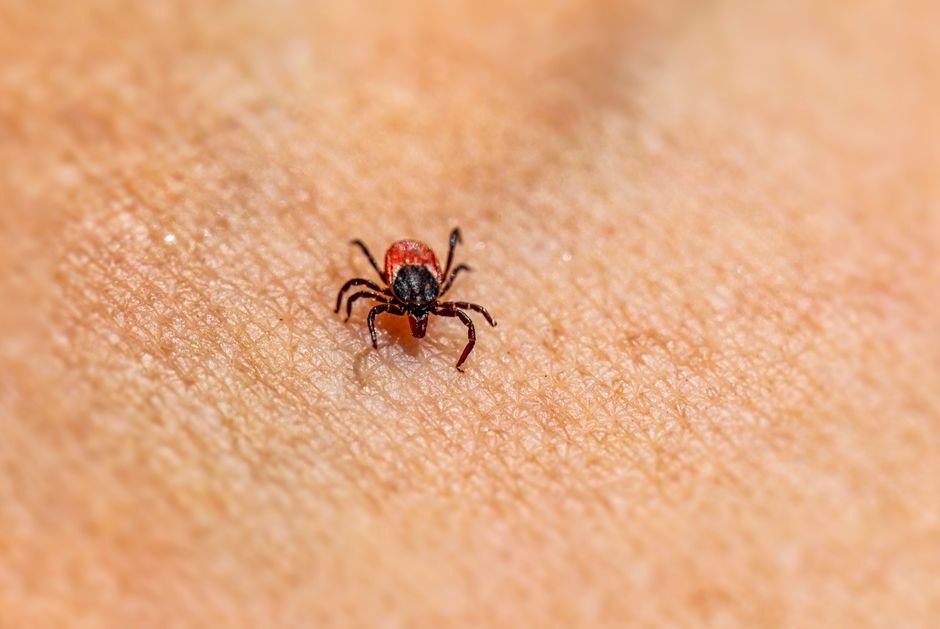
Tick bites are often painless at first, which is why many people never notice them. But itching can develop later, and it is a common reason people finally check their skin. The short answer is yes, tick bites can be itchy, but they often are not — and the absence of itching does not mean a tick was not there.
Why Do Tick Bites Itch?
Itching from a tick bite is not caused by the bite itself. It comes from your immune system reacting to the tick’s saliva. When a tick attaches and feeds, it injects saliva that contains compounds to keep blood flowing and prevent your body from immediately rejecting it.
Your body recognizes these foreign proteins and sends immune cells to the area. This response releases histamine, which causes inflammation and itchiness. The reaction is similar to what happens with mosquito bites, but it is often slower to appear and can be less intense.
Not everyone reacts the same way. Some people develop a red, itchy bump within hours. Others feel nothing at all. A person’s sensitivity to tick saliva varies, and repeated exposure can change how strongly they react over time.
When Does Itching Start After a Tick Bite?
Itching can start at different times depending on the person and the tick species. For many people, the itch begins one to two days after the tick attaches. For others, it may not appear until after the tick is removed.
Some people notice itching only after the tick has been detached for several days. This delayed reaction is normal and does not necessarily mean the bite is infected.
The timing matters less than the pattern. A single itchy spot at the bite site is typical. Widespread itching, hives, or a rash that spreads far from the bite is a different situation that deserves medical attention.
What Does a Normal Tick Bite Look Like?
A normal tick bite often leaves a small red bump. It can look like a common insect bite or a tiny pimple. There may be a small dark dot in the center where the tick’s mouthparts were attached.
The bump can be slightly raised and may feel warm. Some swelling is normal. The redness is usually limited to the immediate area around the bite.
It is important to know that many tick bites leave no mark at all. Ticks are small, and their bites can be completely unnoticeable. The absence of a visible bump or itch does not mean you were not bitten.




When Itching Signals a Problem
Itching alone is rarely a sign of a serious problem. But certain symptoms that accompany itching should not be ignored.
Watch for these warning signs:
- A rash that expands outward, especially one shaped like a bull’s-eye
- Redness that spreads beyond the bite area
- Fever, chills, headache, or muscle aches
- Fatigue that is unusual for you
- Swollen lymph nodes
- Pain that gets worse instead of better
A bull’s-eye rash is associated with Lyme disease, which is transmitted by black-legged ticks. Not everyone with Lyme disease develops this rash, so other symptoms matter even without a visible rash.
If you develop any of these symptoms after a tick bite, see a healthcare provider. Early treatment for tick-borne illnesses is more effective than delayed treatment.
Can You Tell What Kind of Tick Bit You?
Sometimes the appearance of the bite offers clues, but it is rarely enough for a confident identification. Different tick species can cause similar skin reactions.
The best way to know what bit you is to keep the tick. Place it in a sealed bag or small container with a damp cotton ball. A healthcare provider or local health department can often identify the species and tell you which diseases it may carry.
If you removed the tick and threw it away, do not worry excessively. Many tick bites do not transmit disease. But you should still monitor the site and your overall health for several weeks.
How to Relieve Itching from a Tick Bite
If the bite is itchy, basic home care usually helps. Wash the area with soap and water. Apply a cool compress to reduce inflammation.
An over-the-counter antihistamine can help if the itching is bothersome. Oral antihistamines like diphenhydramine or cetirizine work from the inside. Topical hydrocortisone cream can reduce local inflammation and itching.
Do not scratch. Scratching can break the skin and introduce bacteria, leading to a secondary infection. Keep the area clean and covered if you are tempted to scratch.
If the itching lasts more than a few weeks or gets worse, see a healthcare provider. Persistent itching can indicate an infection or an ongoing reaction that needs treatment.
Should Tick Bites Be Itchy?
There is no single expected level of itching for a tick bite. Some bites itch intensely. Some itch mildly. Many do not itch at all.
The absence of itching is not a sign that the bite is safe. Ticks can transmit disease without causing any local reaction. This is why checking your body for ticks after outdoor activity is more important than waiting for an itch to alert you.
Conversely, an itchy bite does not mean you have a tick-borne illness. It most often means your immune system is responding normally to tick saliva.
The key is to watch for symptoms beyond itching. Fever, rash, fatigue, and joint pain are more meaningful indicators of tick-borne disease than itch intensity.
How to Prevent Tick Bites
Prevention is more reliable than detection. Ticks live in grassy, brushy, and wooded areas. They are most active in warmer months, but some species remain active in cooler weather.
When spending time outdoors in tick habitats, take these steps:
- Use an EPA-registered insect repellent containing DEET, picaridin, or oil of lemon eucalyptus
- Wear long sleeves and long pants, tucking pants into socks when possible
- Treat clothing and gear with permethrin, which kills ticks on contact
- Stay on cleared trails and avoid brushing against tall grass
- Shower within two hours of coming indoors
After outdoor activity, do a full body check. Ticks prefer warm, moist areas like the scalp, behind the ears, armpits, groin, and behind the knees. Use a mirror for areas you cannot see directly.
Check pets and gear too. Ticks can hitchhike into your home on animals or clothing.
How to Remove a Tick Properly
Removing a tick correctly reduces the risk of disease transmission. Use fine-tipped tweezers and grasp the tick as close to the skin surface as possible.
Pull upward with steady, even pressure. Do not twist or jerk the tick, as this can leave mouthparts embedded. Do not squeeze the tick’s body, which can force fluids into your skin.
After removal, clean the area with rubbing alcohol or soap and water. Dispose of the tick by putting it in alcohol, sealing it in a bag, or flushing it down the toilet.
Do not use petroleum jelly, nail polish, or a hot match to remove a tick. These methods do not work and can cause the tick to regurgitate, increasing infection risk.
Frequently Asked Questions
Can a tick bite itch days after the tick is gone?
Yes, itching can begin or intensify days after removal as your immune system processes the tick’s saliva. This delayed reaction is normal and does not indicate infection.
Do all tick bites itch?
No, many tick bites cause no itching at all. Some people never notice the bite until they find the tick or develop other symptoms.
What does an infected tick bite look like?
An infected bite typically shows increasing redness, swelling, warmth, or drainage of pus. If redness expands beyond the bite area or you develop a fever, seek medical care.
Should I see a doctor for a tick bite?
See a doctor if you develop a rash, fever, headache, muscle aches, or fatigue within several weeks of a tick bite. A simple itchy bump without other symptoms usually does not require medical attention.
