
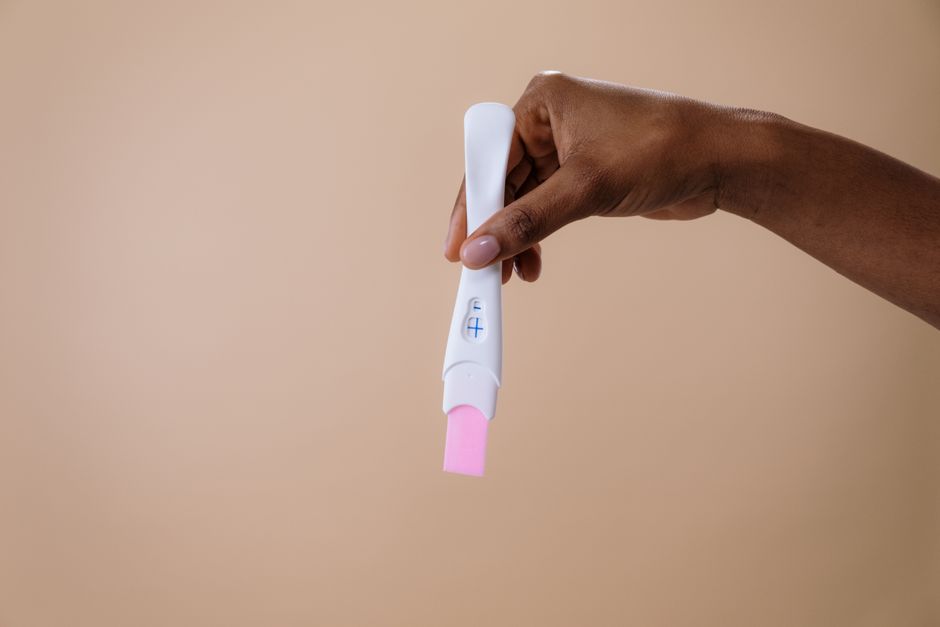
Early pregnancy is a time when your body is building a new life, and what you eat and drink directly affects that process. The most important things to avoid are alcohol, raw or undercooked animal products, high-mercury fish, unpasteurized dairy, and excess caffeine. These items carry the highest risk of harming a developing fetus, and the evidence behind these warnings is strong and consistent.
Why Does Food Safety Matter More Now?
During the first trimester, your baby’s organs are forming. The brain, heart, spine, and limbs all develop in these early weeks. A harmful substance or infection at this stage can disrupt that process in ways that are harder to reverse later.
Your immune system also changes during pregnancy. It becomes slightly suppressed so your body does not reject the fetus as foreign tissue. This means your body is less able to fight off foodborne infections that a non-pregnant person might shake off easily.
Some infections are mild for you but dangerous for the baby. That is why the rules are stricter during pregnancy than at any other time in your adult life.
Alcohol: The Most Clear-Cut Risk
No amount of alcohol is known to be safe during pregnancy. This is one of the strongest and most consistent recommendations in prenatal care.
Alcohol crosses the placenta directly into the baby’s bloodstream. The fetal liver is not mature enough to process it. This exposure can cause fetal alcohol spectrum disorders, which include growth problems, facial abnormalities, and permanent brain damage.
There is no established safe threshold. Some studies suggest low amounts may not cause harm, but the evidence is not strong enough to justify any risk. Most medical organizations recommend complete abstinence from the moment you know you are pregnant or are trying to conceive.
If you drank before you knew you were pregnant, do not panic. The risk is highest with regular or binge drinking. Stop now and talk to your doctor honestly about your history.
Raw and Undercooked Animal Products
Raw meat, raw eggs, and raw seafood carry bacteria and parasites that can cause serious illness in pregnancy.
Listeria is the biggest concern. It is a bacterium found in unpasteurized dairy, deli meats, and refrigerated ready-to-eat foods. Listeria infection during pregnancy can cause miscarriage, stillbirth, or severe illness in the newborn. Pregnant women are about 10 times more likely to get listeriosis than the general population.
Toxoplasmosis is another risk. It comes from undercooked or raw meat, especially pork and lamb, and from cat feces. Most healthy adults never notice the infection. In pregnancy, it can cross the placenta and cause vision loss or brain damage in the baby.
Cook all meat until there is no pink remaining and juices run clear. Use a food thermometer: 145°F for whole cuts of beef and lamb, 160°F for ground meat, and 165°F for poultry. Eggs should be cooked until both the white and yolk are firm.
Raw fish like sushi and sashimi should be avoided unless the fish was previously frozen to kill parasites. Even then, some experts still recommend avoiding it entirely because freezing does not kill all bacteria.

High-Mercury Fish and Seafood Limits
Fish is good for pregnancy. It provides omega-3 fatty acids important for brain development. But some fish contain high levels of mercury, which is toxic to a developing nervous system.
High-mercury fish to avoid completely include shark, swordfish, king mackerel, tilefish, bigeye tuna, and marlin. These are large predatory fish that accumulate mercury over their long lives.
Safe options include salmon, sardines, trout, anchovies, and light canned tuna. The general guidance is to eat 8 to 12 ounces of low-mercury fish per week, which is about two to three servings.
Albacore or white tuna is higher in mercury than light tuna. If you choose albacore, limit it to one serving per week. Canned light tuna is the safer choice for regular consumption.
Unpasteurized Dairy and Soft Cheeses
Milk and cheese that have not been pasteurized can carry listeria and other harmful bacteria. Pasteurization heats the product to a temperature that kills these pathogens without changing the nutritional value.
In the United States, most milk sold in grocery stores is pasteurized. The risk comes from raw milk sold at farms or specialty markets, and from soft cheeses made with unpasteurized milk.
Soft cheeses that are commonly made with raw milk include brie, camembert, feta, queso fresco, and blue-veined cheeses. Check the label carefully. If it does not say “made with pasteurized milk,” do not eat it.
Hard cheeses like cheddar and parmesan are generally safe even if made with raw milk, because their low moisture content makes it harder for bacteria to survive. But when in doubt, choose pasteurized versions.
Caffeine: Limit But Do Not Panic
Caffeine crosses the placenta, and the baby’s immature system metabolizes it very slowly. High caffeine intake during pregnancy has been linked to low birth weight and a higher risk of miscarriage, though the evidence for miscarriage is not fully consistent.
Most medical guidance suggests keeping caffeine under 200 milligrams per day. That is about one 12-ounce cup of coffee, or two cups of black tea.
Be aware of hidden sources. Energy drinks can contain 200 milligrams or more per can. Chocolate, some sodas, and some over-the-counter pain relievers also contain caffeine. Green tea and matcha contain caffeine too, though less than coffee.
If you are used to multiple cups per day, taper down gradually. Stopping suddenly can cause withdrawal headaches, which are unpleasant but not dangerous.
Deli Meats, Hot Dogs, and Prepared Salads
Deli meats and hot dogs are a common source of listeria because they are processed and stored refrigerated for long periods. The bacteria can grow even at refrigerator temperatures.
If you want to eat deli turkey, ham, or roast beef, heat it until it is steaming hot. This kills the bacteria. Hot dogs should also be cooked until steaming.
Prepared salads like chicken salad, egg salad, and ham salad from a deli counter carry the same risk. So do refrigerated pâtés and meat spreads. Canned versions are safe because the canning process kills bacteria.
Smoked seafood that is refrigerated, like lox or nova-style salmon, is also on the avoid list unless it is cooked into a dish like a casserole. The concern is listeria, not mercury, in this case.
Herbal Teas and Supplements
Not all teas are safe in pregnancy. Some herbs can stimulate the uterus or affect hormone levels.
Herbs to avoid include sage, pennyroyal, black cohosh, blue cohosh, and large amounts of parsley. These have traditional uses as uterine stimulants, though clinical evidence for their effects is limited. The conservative approach is to avoid them entirely.
Peppermint and ginger teas are generally considered safe in moderate amounts. Ginger can help with morning sickness, and the evidence for its effectiveness is reasonably good.
Do not take herbal supplements during pregnancy without talking to your doctor. Unlike prescription drugs, herbal supplements are not regulated for safety or effectiveness in pregnancy. No clinical guidelines exist for most of them, which means the risk is unknown rather than proven safe.
What About Artificial Sweeteners?
Artificial sweeteners are a common question in early pregnancy. The evidence is mixed, and the answer depends on which sweetener you are asking about.
Aspartame and sucralose are generally recognized as safe in moderate amounts during pregnancy. The FDA has approved them for use during pregnancy, but that approval is based on animal studies and limited human data.
Saccharin is the one to avoid. It crosses the placenta and stays in fetal tissues longer because the baby cannot clear it quickly. Some older studies linked it to bladder cancer in rats, though this finding has not been confirmed in humans. Most experts still recommend avoiding it during pregnancy.
Stevia, a plant-based sweetener, is generally considered safe in moderate amounts, but long-term human studies during pregnancy are limited. Use it sparingly.
The simplest approach: water, milk, and plain sparkling water are the best beverages in pregnancy. Sweetened drinks of any kind should be limited because they provide empty calories and can contribute to excessive weight gain.
Foods to Wash and Handle Carefully
Fruits and vegetables are essential in pregnancy. They provide folate, vitamin C, and fiber. But they can carry harmful bacteria on their surfaces.
Wash all produce under running water before eating, even if you plan to peel it. Bacteria on the skin can transfer to the flesh during cutting. Scrub firm produce like melons and cucumbers with a brush.
Avoid raw sprouts like alfalfa and clover. Sprouts grow in warm, humid conditions that are ideal for bacterial growth. They have been linked to multiple outbreaks of salmonella and E. coli. Cooking sprouts kills the bacteria, but raw sprouts should be avoided.
Cut away bruised or damaged areas on produce, as bacteria can thrive there. Refrigerate cut fruits and vegetables promptly and eat them within two days.
What To Do If You Ate Something on the Avoid List
If you already ate a deli sandwich or had a glass of wine before you knew you were pregnant, do not spiral into anxiety. The risk from a single exposure is generally low.
The bigger risk comes from repeated exposure over time. What matters most is what you do from today forward.
If you develop fever, muscle aches, or gastrointestinal symptoms after eating a high-risk food, contact your doctor. Listeria infection can feel like a mild flu, and early treatment with antibiotics can protect the baby.
Write down what you ate and when. This information helps your doctor assess your risk and decide whether testing is needed.
Frequently Asked Questions
Can I eat sushi during early pregnancy?
No, raw sushi should be avoided because of the risk of parasites and bacteria. Fully cooked sushi rolls are safe.
Is it safe to drink any alcohol during pregnancy?
No amount of alcohol is known to be safe. The recommendation is complete abstinence throughout pregnancy.
How much coffee can I have while pregnant?
Keep caffeine under 200 milligrams per day, which is about one 12-ounce cup of coffee. Check labels on tea, soda, and energy drinks for hidden caffeine.
Can I eat feta cheese during pregnancy?
Only if the label says it is made with pasteurized milk. Soft cheeses made with raw milk carry a listeria risk.
