

Green poop can be surprising, and if you are trying to conceive, you might wonder if it means anything. The short answer is no — green stool is not a recognized sign of pregnancy. Pregnancy tests detect the hormone hCG, which has no connection to stool color. However, pregnancy can cause digestive changes that lead to green stool in some people. Understanding why stool changes color can help you decide whether to worry or simply move on.
What Causes Green Poop?
Stool gets its brown color from bile and bilirubin. Bile is a digestive fluid made by the liver. It starts out greenish-yellow. As it moves through the intestines, bacteria change its color to brown. If stool passes through the digestive tract too quickly, bacteria do not have enough time to do this work. The result can be green stool.
The most common cause of green poop is diet. Dark green vegetables like spinach, kale, and broccoli contain chlorophyll, which can color stool green. Foods with green food coloring — such as certain candies, sports drinks, or cake frosting — can do the same. This is harmless and temporary.
Can Pregnancy Change Your Stool Color?
Pregnancy hormones do not directly turn stool green. But pregnancy commonly changes digestion in ways that can affect stool color. Progesterone, a hormone that rises during pregnancy, relaxes the muscles of the digestive tract. This slows digestion, which usually leads to darker, not greener, stool.
However, some pregnant people develop diarrhea or faster bowel transit. This can happen due to dietary changes, prenatal vitamins, or increased sensitivity to certain foods. When stool moves through the intestines faster than usual, it can come out green. So while green poop is not a sign of pregnancy itself, pregnancy-related digestive changes can cause it.
Prenatal Vitamins and Green Stool
Prenatal vitamins are a common cause of green stool in pregnant people. Most prenatal vitamins contain iron. Iron that is not fully absorbed can darken stool, sometimes to a greenish or black color. This is generally harmless.
Some prenatal vitamins also contain other minerals or additives that can affect stool color. If you recently started a prenatal vitamin and noticed green stool, the vitamin is the likely cause. This is not a reason to stop taking it. Iron is important during pregnancy for both the parent and the developing baby.



Other Causes of Green Stool
Beyond diet and pregnancy-related factors, several other things can cause green stool.
- Diarrhea: Any cause of diarrhea — from a stomach bug to food intolerance — can speed up digestion and produce green stool.
- Medications: Certain antibiotics can change the bacteria in your gut, which may affect stool color. Some antacids and laxatives can also cause green stool.
- Medical conditions: Conditions that affect digestion, such as celiac disease, Crohn’s disease, or irritable bowel syndrome, can sometimes lead to green stool.
- Bile acid issues: If the body does not properly reabsorb bile, it can remain green when it reaches the stool.
In most cases, green stool is temporary and harmless. It usually resolves on its own within a day or two.
When Should You Worry About Green Stool?
Green stool alone is rarely a reason for concern. But certain accompanying symptoms deserve attention. If you have green stool along with abdominal pain, fever, or signs of dehydration from diarrhea, contact a healthcare provider.
More important than color is what else changes. Blood in the stool — whether red or black — always warrants medical evaluation. Persistent diarrhea lasting more than a few days can lead to dehydration, which is especially important to address during pregnancy. If green stool continues for more than a few days without an obvious cause like diet, it is reasonable to mention it to your doctor.
Is Green Poop A Sign Of Pregnancy What To Know
If you are tracking early pregnancy signs, green stool is not one of them. The reliable early signs of pregnancy include a missed period, breast tenderness, fatigue, nausea, and frequent urination. These symptoms occur because of rising hormone levels, particularly hCG and progesterone.
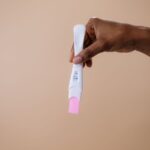
The only reliable way to confirm pregnancy is a home pregnancy test or a blood test at a doctor’s office. Home tests detect hCG in urine and are highly accurate when taken after a missed period. Stool color has no relationship to hCG levels. If you suspect pregnancy, take a test rather than looking for digestive clues.
That said, if you are pregnant and experiencing green stool, it does not mean something is wrong with the pregnancy. Digestive changes are common during pregnancy, and many are harmless. Green stool from diet, vitamins, or occasional diarrhea does not affect the baby.
How to Prevent Green Stool
If green stool bothers you, the first step is to look at what you ate in the past day or two. Green vegetables, green-dyed foods, and iron supplements are the usual culprits. Adjusting these can often resolve the issue.
Staying hydrated helps keep digestion regular. Drinking enough water can prevent constipation, which slows transit, and can also help manage diarrhea. If diarrhea is the cause, eating bland foods like rice, bananas, and toast may help firm up stool. Probiotics — found in yogurt or fermented foods — may support healthy gut bacteria, though the evidence for their effect on stool color specifically is limited.
Do not stop taking prenatal vitamins to change stool color. The nutritional benefits far outweigh the temporary cosmetic change in stool.
What Doctors Say About Green Stool
In clinical practice, green stool is one of the most common benign stool color changes. Doctors typically ask about diet, recent medications, and other symptoms before considering any testing. In the absence of other symptoms, green stool does not require treatment.
Some research suggests that green stool can occasionally signal a problem with bile flow or digestion of fats. But these cases are rare and almost always come with other symptoms like jaundice, pale stool, or significant abdominal discomfort. If you have none of these, it is reasonable to assume the green color is from something you ate or a minor digestive shift.
Frequently Asked Questions
Can green poop be an early sign of pregnancy?
No, green stool is not an early sign of pregnancy. Pregnancy is confirmed by hCG hormone levels, which do not affect stool color.
Why is my poop green while taking prenatal vitamins?
Iron in prenatal vitamins can darken stool and sometimes give it a greenish tint. This is harmless and does not mean the vitamins are not working.
How long does green stool last?
Green stool usually lasts one to two days, depending on the cause. If it lasts longer than a few days without an obvious dietary reason, consult a healthcare provider.
When should I see a doctor for green stool?
See a doctor if green stool comes with blood, severe abdominal pain, fever, or diarrhea lasting more than a few days. Green stool alone is rarely a medical concern.
