

Morning sickness is nausea and vomiting during pregnancy, most common in the first trimester. While the exact cause is not fully confirmed, rising hormone levels, particularly hCG and estrogen, are strongly linked to it. You cannot completely stop it in most cases, but you can reduce the severity with specific dietary changes, lifestyle adjustments, and certain supplements that have clinical evidence behind them. The goal is management, not elimination, and most women find significant relief by the end of the first trimester.
What Actually Causes Morning Sickness?
Despite the name, it can happen at any time of day. The cause is not fully understood, but research points to a combination of factors.
The leading theory involves the pregnancy hormone human chorionic gonadotropin (hCG). This hormone rises rapidly in early pregnancy and peaks around the time nausea is worst. Estrogen also rises sharply and can contribute to nausea. A slower stomach emptying time, which is a normal pregnancy change, makes the feeling worse because food sits in the stomach longer.
There is also a genetic component. If your mother or sisters had severe morning sickness, you are more likely to experience it too. Some studies suggest the placenta releases a protein that affects the brain’s nausea center, but this is still being researched.
How To Stop Morning Sickness In Early Pregnancy: What Works
No single method works for everyone. What helps one person may not help another. The strategies below have the strongest evidence or the most consistent clinical support.
Eat small, frequent meals. An empty stomach makes nausea worse. Eat something every 1-2 hours, even if it is just a few crackers. A completely empty stomach allows stomach acid to accumulate, which triggers more nausea.
Eat protein before bed. A high-protein snack at night, such as cheese, nuts, or a hard-boiled egg, may help stabilize blood sugar through the night. Low blood sugar in the morning is a common trigger for nausea.
Try ginger. Ginger has the strongest evidence of any home remedy. Studies have shown it can reduce nausea severity, though it does not stop vomiting entirely. Ginger candy, ginger tea, or capsules are all reasonable options. The active compounds in ginger work on the digestive tract and may block nausea signals.
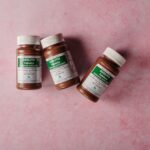
Consider vitamin B6. Pyridoxine, or vitamin B6, is a standard first-line treatment. Clinical guidelines recommend it before prescription medication. The typical dose is 10-25 mg taken three times a day. Do not exceed 100 mg per day total, as higher doses can cause nerve damage over time. It works best when started early, before nausea becomes severe.
Smell lemons or use lemon in water. Some women find the scent of fresh lemon reduces nausea. This is not heavily studied, but it is low-risk and worth trying. The mechanism may involve the olfactory system overriding nausea signals in the brain.
Foods That Help and Foods That Worsen Nausea
Your food choices matter more than most people realize. Some foods are easier on a nauseated stomach.
Foods that often help:
- Dry, bland foods like saltine crackers, pretzels, and plain toast
- Cold foods rather than hot foods, because they have less aroma
- Bananas, rice, applesauce, and plain pasta
- Broth-based soups that are not greasy
- Watermelon and other high-water fruits
- Foods with ginger or lemon as ingredients
Foods that often worsen nausea:
- Greasy, fried, or fatty foods that slow digestion further
- Spicy foods that irritate the stomach lining
- Strong-smelling foods, including some cheeses and fish
- Very sweet or sugary foods that spike blood sugar
- Caffeine, which can stimulate the digestive tract
Avoid cooking when possible. The smell of food being prepared is a common trigger. Ask someone else to cook, or rely on cold meals and pre-prepared snacks during the worst weeks.


Hydration Strategies When Water Makes You Sick
Many women find plain water hard to keep down during morning sickness. This is a real problem because dehydration makes nausea worse and can lead to more serious complications.
Take small sips throughout the day rather than drinking a full glass at once. Some women find ice chips or frozen fruit pops easier to tolerate. Electrolyte drinks can help if you are vomiting frequently, because they replace sodium and potassium lost through vomiting.
Severe dehydration is dangerous. If you cannot keep any fluids down for 12 hours, or if you are producing very little urine, contact your healthcare provider. Dark urine is a sign you need more fluids. Some women need IV fluids in the emergency room, and there is no shame in that — it is a medical treatment, not a personal failure.
When It Is More Than Morning Sickness
There is a severe form of pregnancy nausea called hyperemesis gravidarum. It affects a small percentage of pregnancies but requires medical treatment.
Hyperemesis gravidarum is diagnosed when vomiting is so severe that it causes weight loss, dehydration, and electrolyte imbalances. It is not just “bad morning sickness.” The difference is the physical consequences. If you lose more than 5% of your pre-pregnancy body weight, or if you cannot keep down food or fluid for more than a day, seek medical care.
This condition is treatable. Prescription anti-nausea medications are available and are considered safe in pregnancy when prescribed by a doctor. These include doxylamine combined with vitamin B6, which is the only medication specifically approved for pregnancy nausea in many countries. Other anti-nausea drugs are used off-label when needed.
Do not wait until you are severely dehydrated to ask for help. Early treatment is more effective and prevents complications like low potassium or thyroid abnormalities that can result from prolonged vomiting.
Lifestyle Changes That Reduce Nausea Triggers
Your environment and daily habits play a larger role than many expect.
Get out of bed slowly. Sudden movement can trigger nausea. Sit up for a few minutes before standing. Keep crackers on your nightstand and eat one before you even sit up.
Avoid strong odors. Perfume, cleaning products, cooking smells, and even your partner’s deodorant can trigger nausea. This is not in your head. Pregnancy increases your sense of smell, and your brain connects certain odors to nausea quickly.
Rest when you feel nauseated. Fatigue worsens nausea. Your body is doing significant work building the placenta, and sleep is when it repairs and regulates. Short naps during the day can help reset your nausea level.
Try acupressure bands. These wristbands press on a point called P6 or Neiguan, located on the inner forearm. Some studies show modest benefit for pregnancy nausea. The evidence is mixed, but the bands are cheap, have no side effects, and work for some women. There is no harm in trying them.
Medication Options: What Your Doctor May Prescribe
If home remedies and dietary changes are not enough, medication is a valid next step. Do not feel like you must suffer through nausea without help.
The most common first-line medication is a combination of doxylamine and pyridoxine. Doxylamine is an antihistamine that causes drowsiness, which is why it is often taken at night. It has been studied for decades and has a strong safety record. The drowsiness side effect is significant, so it is usually started at a low dose.
Other options include anti-nausea drugs like ondansetron, metoclopramide, and promethazine. These are used when first-line treatment fails. Your doctor will discuss the risks and benefits based on your specific situation. These medications do not eliminate nausea completely, but they reduce it enough that you can eat, drink, and function.
Never take any medication, including over-the-counter options, without discussing it with your obstetric provider first. Some anti-nausea drugs that were used in the past are no longer recommended because of safety concerns. Your provider has current information about what is safe in pregnancy.
What Does Not Work and What Is Not Safe
Some popular remedies have no evidence behind them or are actively unsafe during pregnancy.
Do not use marijuana or cannabis products. Some women use them for nausea, but the evidence for safety in pregnancy is not established. Studies have linked cannabis use during pregnancy to lower birth weight and potential effects on brain development. The American College of Obstetricians and Gynecologists advises against it during pregnancy.
Do not use unregulated herbal supplements. Herbs like peppermint, chamomile, and others are often marketed for nausea, but their safety in pregnancy is not well studied. Some herbs can stimulate the uterus or interact with other medications. Stick to ginger, which has the most research, and always tell your provider about any supplements you take.
Do not skip meals to avoid vomiting. This makes nausea worse. The acid buildup in an empty stomach triggers more nausea, creating a vicious cycle.
Do not force yourself to eat foods that trigger nausea. Your body is telling you something. If a food makes you feel sick, avoid it for now. Most food aversions resolve after the first trimester.
Frequently Asked Questions
How long does morning sickness usually last?
Most women feel significant relief by the end of the first trimester, around weeks 12 to 14. Some women continue to have nausea into the second trimester, and a small number have it throughout pregnancy.
Is morning sickness a sign of a healthy pregnancy?
Some research associates nausea with lower rates of miscarriage, but it is not a guarantee of pregnancy health. Many healthy pregnancies have no nausea at all.
Can dehydration from morning sickness hurt the baby?
Mild dehydration is uncomfortable but not harmful. Severe dehydration that goes untreated can affect blood flow to the uterus, so seek medical care if you cannot keep fluids down.
Does eating ginger really help morning sickness?
Yes, ginger has the strongest evidence of any home remedy for pregnancy nausea. It reduces nausea severity for many women, though it does not stop vomiting completely.
