
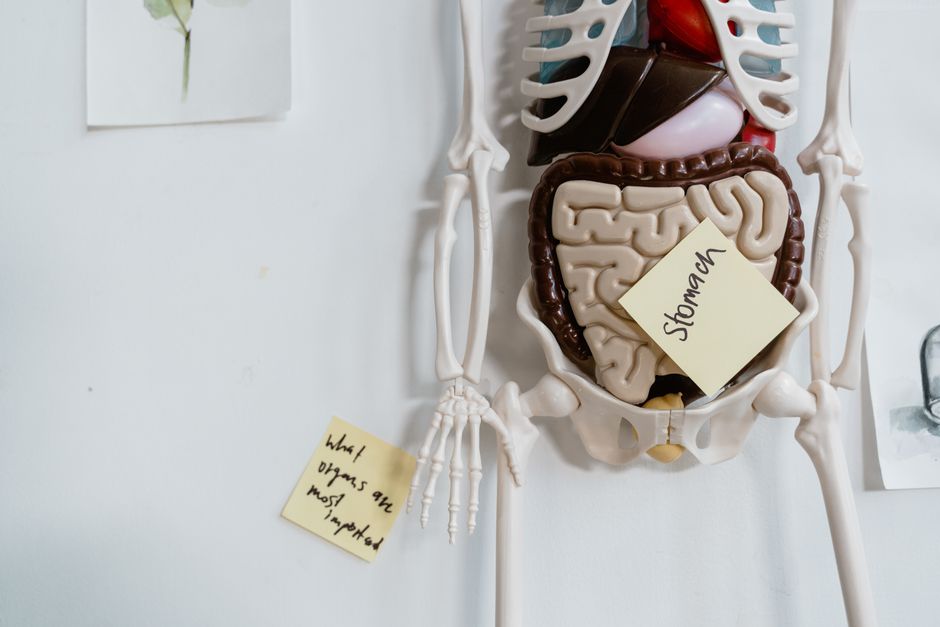
The liver is the largest internal organ in the human body, weighing about 3 pounds in adults. In the digestive system, it produces bile to break down fats, processes nutrients absorbed from your intestines, and filters harmful substances out of your blood before they reach the rest of your body. It sits just below your ribs on the right side, and almost everything you eat passes through it before your body can use it.
What the Liver Does in the Digestive System?
The liver is not a passive filter. It is an active chemical factory that receives blood from your digestive tract and decides what happens to every nutrient, medication, and toxin that enters it.
Blood from the stomach and intestines flows through the portal vein directly into the liver. This means the liver gets first access to what you absorb — before that blood reaches your heart or the rest of your body. From there, the liver processes carbohydrates, proteins, and fats. It stores excess sugar as glycogen for later use. It builds plasma proteins. It breaks down old red blood cells and recycles the iron.
The liver also produces bile, a yellow-green fluid that helps your small intestine absorb fats and fat-soluble vitamins. Without bile, you cannot properly digest a fatty meal or absorb vitamins A, D, E, and K.
That combination — nutrient processing plus bile production — is why the liver sits at the center of digestion. It does not just help break down food. It manages what your body does with the result.
How Does the Liver Produce Bile?
The liver produces bile continuously. Between meals, most of it is stored and concentrated in the gallbladder, a small pouch under the liver. When you eat — especially a meal containing fat — the gallbladder contracts and releases bile into the small intestine.
Bile is made of water, bile salts, cholesterol, bilirubin, and other compounds. The bile salts are the working part. They act like a detergent, breaking large fat droplets into smaller ones so digestive enzymes can do their job. This process is called emulsification. It does not chemically digest fat — it physically disperses it so that enzymes called lipases can break it down.
Bile also carries waste out of the body. Bilirubin, a breakdown product of old red blood cells, leaves the liver in bile and eventually exits in stool. That is what gives stool its brown color. When bile flow is blocked, bilirubin builds up in the blood, which can cause jaundice — a yellowing of the skin and eyes.
Some people have their gallbladder removed. The liver still makes bile. Instead of being stored, bile flows more continuously into the small intestine. Most people adapt well, though some notice looser stools or bloating after fatty meals.
How the Liver Processes Nutrients After You Eat
Everything you absorb from a meal arrives at the liver through the portal vein. What happens next depends on the nutrient.
- Carbohydrates: The liver converts simple sugars into glucose and releases it into the blood to keep blood sugar stable. Extra glucose gets stored as glycogen. When glycogen stores are full, the liver converts the excess into fat.
- Proteins: The liver breaks down amino acids and rebuilds them into proteins your body needs, including albumin and clotting factors. It also converts a waste product of protein breakdown, ammonia, into urea, which the kidneys then remove.
- Fats: The liver makes cholesterol and lipoproteins that carry fats through the blood. It also converts excess energy into triglycerides for storage.
- Vitamins and minerals: The liver stores vitamins A, D, B12, and iron. It activates vitamin D into its usable form.
This is one reason liver health matters for the whole body. A liver that cannot process nutrients properly affects blood sugar, protein levels, clotting, and hormone balance — not just digestion.




How the Liver Detoxifies Your Blood
The liver filters about 1.4 liters of blood every minute in a healthy adult. As blood passes through, liver cells called hepatocytes chemically modify substances that could be harmful.
This includes alcohol, medications, and byproducts of normal metabolism. The liver uses a two-phase system. In phase one, enzymes called cytochrome P450 break down compounds into smaller pieces. In phase two, those pieces are attached to other molecules so they can be dissolved in water and excreted through bile or urine.
This process is why the liver is sometimes called a detox organ. But the word “detox” gets used loosely in marketing. No supplement, tea, or cleanse has been shown to improve the liver’s ability to do this work. The liver detoxifies on its own. What it needs is to not be overwhelmed by excess alcohol, certain medications, or prolonged exposure to toxins.
It is also worth knowing that some substances become more harmful after the liver processes them. For example, the liver converts certain chemicals into intermediate compounds that can damage liver cells before they are fully neutralized. This is one reason why mixing alcohol with certain medications can be dangerous.
What Happens When the Liver Stops Working Well
Liver disease often develops slowly and quietly. The liver has a remarkable ability to keep working even when damaged. Symptoms may not appear until a significant portion of liver function is lost.
When the liver is not working properly, several things can happen:
- Bile flow backs up, causing jaundice, dark urine, and pale stools
- Fluid builds up in the abdomen because the liver is not making enough albumin
- Bruising and bleeding increase because clotting factors are low
- Ammonia builds up in the blood, which can affect brain function
- Blood sugar becomes harder to control
- Fats and fat-soluble vitamins are poorly absorbed, leading to deficiencies
Common causes of liver damage include chronic alcohol use, viral hepatitis, excess body fat leading to fatty liver disease, and certain medications or toxins. Some liver conditions are genetic, such as hemochromatosis, where the body absorbs too much iron.
Because the liver does so much for digestion, liver problems often show up first as digestive symptoms — nausea, loss of appetite, or discomfort in the upper right abdomen. But these symptoms are also common in many other conditions, so they do not confirm liver disease on their own.
Can the Liver Regenerate?
The liver is the only internal organ that can regrow lost tissue. After surgical removal of part of the liver, the remaining tissue can grow back to its original size within weeks to a few months. This is why living donor liver transplants are possible — a healthy person can donate part of their liver, and both the donor’s and recipient’s livers can regrow.
But regeneration has limits. It works best when the liver is otherwise healthy. In chronic liver disease, ongoing damage from alcohol, viruses, or fat buildup can outpace the liver’s ability to repair itself. Over time, scar tissue replaces healthy tissue — a condition called cirrhosis. Cirrhosis is not reversible, and it impairs the liver’s ability to produce bile, process nutrients, and filter blood.
This is why early detection matters. A liver that is damaged but not yet scarred has a much better chance of recovering function than one that has already developed significant cirrhosis.
What the Liver Does Not Do
The liver does not control the speed of digestion. That is mostly the job of the stomach and the nervous system. It does not absorb nutrients — that happens in the small intestine. It does not store waste for long periods; bile is either used or excreted.
It also does not need help from cleanses or supplements to do its job. The best-supported ways to protect liver function are well established: limit alcohol, maintain a healthy body weight, avoid unnecessary medications, and get vaccinated against hepatitis A and B if you are at risk. Some research suggests coffee may be associated with lower risk of liver disease, but the evidence is not strong enough to recommend it as a treatment.
Frequently Asked Questions
What is the liver’s main job in the digestive system?
Its main jobs are producing bile to help digest fats and processing nutrients absorbed from the intestines. It also filters toxins and waste from blood before they reach the rest of the body.
Can you live without a liver?
No. The liver performs functions that cannot be replaced by any other organ or machine for more than a short time. A liver transplant is the only option when the liver fails completely.
Does the liver store fat?
Yes, the liver converts excess energy into fat and can store small amounts. When fat builds up in liver cells beyond normal levels, it is called fatty liver disease, which can lead to inflammation and scarring over time.
What foods help the liver do its job?
No specific food has been proven to improve liver function. A balanced diet, limited alcohol, and a healthy body weight are the best-supported ways to support liver health. Some studies suggest coffee may be linked to lower liver disease risk, but it is not a treatment.
