
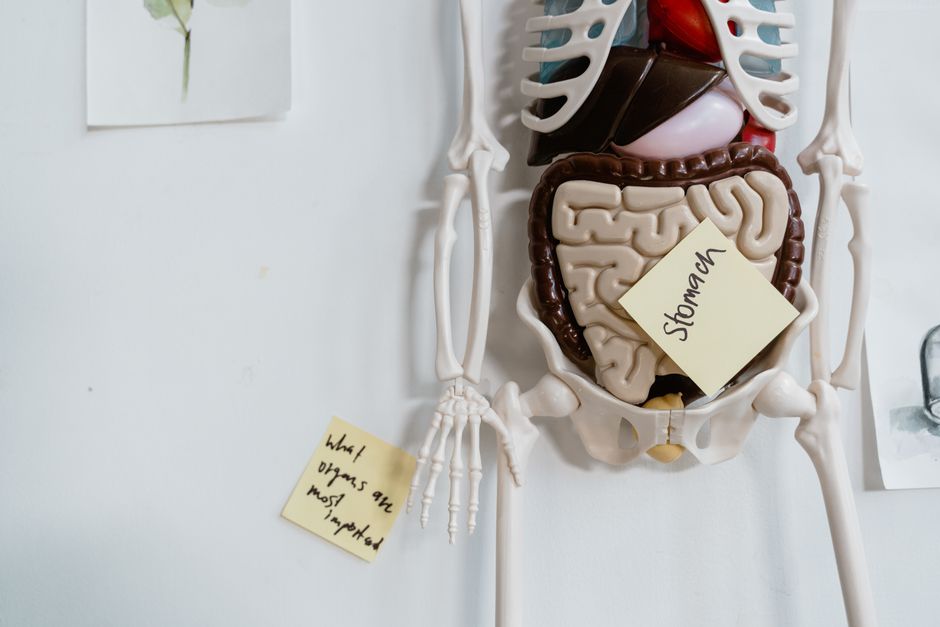
The liver is the largest solid organ in your body, and digestion is one of its core jobs. It acts as a chemical factory, producing bile that breaks down fats, and it processes every nutrient that your intestines absorb. Without a functioning liver, your body could not digest a normal meal or use the food you eat for energy, growth, and repair.
What Exactly Does the Liver Do in Digestion?
The liver performs over 500 vital functions, but its digestive role centers on two main tasks: producing bile and processing nutrients. Bile is a greenish-yellow fluid that is essential for digesting fats. The liver makes bile continuously, about 500 to 1000 milliliters each day, and stores it in the gallbladder.
When you eat a fatty meal, the gallbladder contracts and releases bile into the small intestine. Bile acts like dish soap. It breaks large fat globules into smaller droplets, a process called emulsification. This increases the surface area of the fat so that enzymes called lipases can break it down into fatty acids your body can absorb.
The second major digestive job is nutrient processing. After your stomach and intestines break down carbohydrates into sugars, proteins into amino acids, and fats into fatty acids, these molecules travel through the portal vein directly to the liver. The liver then decides what to do with each nutrient. It stores glucose as glycogen for quick energy, converts excess sugar into fat, and builds proteins from amino acids.
How Does the Liver Produce Bile and Why Does It Matter?
Bile production is a continuous, complex process. Liver cells called hepatocytes synthesize bile from cholesterol, bilirubin (a waste product from old red blood cells), bile salts, and water. The bile salts are the active digestive component. They are recycled through the intestine and liver in a process called the enterohepatic circulation, which means your body reuses bile salts many times.
Without bile salts, your body would absorb only about half the fat you eat. The rest would pass through undigested. This matters more than just weight. Fat carries fat-soluble vitamins: A, D, E, and K. If you do not absorb fat, you do not absorb these vitamins. Over time, this can lead to deficiencies that affect bone health, vision, and blood clotting.
Bile is also a waste removal route. Bilirubin, the pigment that gives bile its color, is eliminated through bile into the stool. This is why stool is normally brown. If bile flow is blocked, stool becomes pale or clay-colored, and bilirubin builds up in the blood, causing jaundice — a yellowing of the skin and eyes.
How Does the Liver Process Fats, Proteins, and Carbohydrates?
The liver is the central processing hub for all three macronutrient groups. Each one follows a different pathway.
For carbohydrates, the liver converts fructose and galactose into glucose, the form of sugar your body uses for energy. It stores glucose as glycogen in the liver and muscles. Between meals, the liver breaks down glycogen and releases glucose into the bloodstream to keep your blood sugar stable. This is a continuous balancing act controlled by the hormones insulin and glucagon.
For proteins, the liver deaminates amino acids — it removes the nitrogen-containing part. The remaining carbon skeleton is used for energy or converted into glucose or fat. The nitrogen is converted into urea, which the kidneys excrete in urine. The liver also synthesizes most of the proteins in your blood, including albumin and clotting factors.
For fats, the liver processes lipoproteins, which are packages of fat and protein that transport cholesterol and triglycerides through the blood. The liver makes cholesterol, which is needed for cell membranes and hormone production, and it clears excess cholesterol from the blood. It also converts excess carbohydrates and proteins into fat for storage.



What Happens When the Liver Struggles to Help Digestion?
When liver function declines, digestive symptoms often appear early. Common signs include nausea, loss of appetite, unintentional weight loss, and a feeling of fullness after small meals. These symptoms are nonspecific — many conditions cause them — but they are worth taking seriously.
Fat malabsorption produces more specific signs. If the liver cannot produce or deliver enough bile, undigested fat reaches the colon. This causes greasy, pale, foul-smelling stools that float. It can also cause bloating and diarrhea. This symptom pattern is called steatorrhea, and it signals that fat digestion is not working properly.
Chronic liver disease, such as cirrhosis, changes digestion in deeper ways. The liver’s ability to store glycogen is reduced, so blood sugar swings become more common. Protein production drops, which can cause fluid buildup in the abdomen (ascites) and swelling in the legs. The liver’s reduced ability to clear toxins can cause confusion, a condition called hepatic encephalopathy.
It is important to note that not every digestive complaint points to the liver. Irritable bowel syndrome, gallbladder disease, pancreatic insufficiency, and many other conditions produce similar symptoms. Only a doctor can determine the cause through blood tests, imaging, and physical examination.
How Is Liver Health Linked to Diet and Alcohol?
Diet directly influences liver health because everything you absorb passes through it. A diet high in ultra-processed foods, added sugars, and refined carbohydrates can lead to fat accumulation in the liver. This condition, called metabolic dysfunction-associated steatotic liver disease (MASLD), is now the most common chronic liver condition worldwide. It is closely linked to obesity, type 2 diabetes, and high cholesterol.
Alcohol is a direct liver toxin. When you drink, the liver prioritizes breaking down alcohol over its other jobs. The byproducts of alcohol metabolism damage liver cells. Heavy drinking over many years can cause alcoholic fatty liver disease, alcoholic hepatitis, and cirrhosis. The risk depends on both the amount and duration of drinking.
There is no specific “liver detox” diet that removes toxins or cleanses the organ. The liver does that itself. What genuinely supports liver health is a balanced diet with adequate protein, vegetables, whole grains, and healthy fats, plus limiting alcohol and maintaining a healthy body weight. Coffee has been associated with lower rates of liver disease progression in some observational studies, but this is not a recommendation to increase coffee intake for liver protection.
What Are the Early Warning Signs of Liver Problems?
Liver disease is often called silent because early damage may cause no symptoms at all. When symptoms do appear, they can be vague. Fatigue is the most commonly reported early symptom. Jaundice, dark urine, pale stool, and itchy skin are more specific signs that bile flow is impaired.
Unexplained bruising or bleeding can signal reduced production of clotting factors. Swelling in the legs or abdomen suggests advanced disease. Confusion, drowsiness, or personality changes are signs of severe liver failure and require immediate medical attention.
If you have risk factors such as obesity, diabetes, heavy alcohol use, or a family history of liver disease, ask your doctor about liver function tests. A simple blood panel measuring ALT, AST, ALP, and bilirubin can detect many liver problems before symptoms develop. Early detection matters because many liver conditions are reversible if caught in time.
Can the Liver Repair Itself After Damage?
The liver has remarkable regenerative capacity. It is the only internal organ that can regrow lost tissue. In living-donor liver transplantation, a healthy donor can give up to two-thirds of their liver, and it will grow back to near full size within months.
This regenerative ability matters for recovery. If the cause of damage is removed — such as stopping alcohol or treating a viral infection — the liver can repair itself, provided the damage has not progressed to cirrhosis. Cirrhosis means scar tissue has replaced functional liver tissue, and this scarring is not reversible.
The liver’s resilience has a limit. Repeated or ongoing injury overwhelms regeneration, and scar tissue accumulates. This is why early intervention is so important. Catching liver disease in its early stages gives the organ the best chance to heal.
Frequently Asked Questions
How does the liver aid in digestion?
The liver produces bile, which breaks down fats in the small intestine so they can be absorbed. It also processes all nutrients absorbed from food, storing some and converting others into forms the body can use.
Can you live without a functioning liver?
No. The liver performs hundreds of essential functions, including digestion, nutrient processing, detoxification, and protein production. Without a functioning liver, life cannot be sustained.
What foods are hardest on the liver?
Foods high in added sugar, refined carbohydrates, and unhealthy fats contribute to fat buildup in the liver. Alcohol is the most direct liver toxin and should be limited or avoided.
How do I know if my liver is healthy?
Your doctor can assess liver health with a blood test measuring liver enzymes and bilirubin. Imaging tests such as ultrasound can also show fat accumulation or scarring.
