
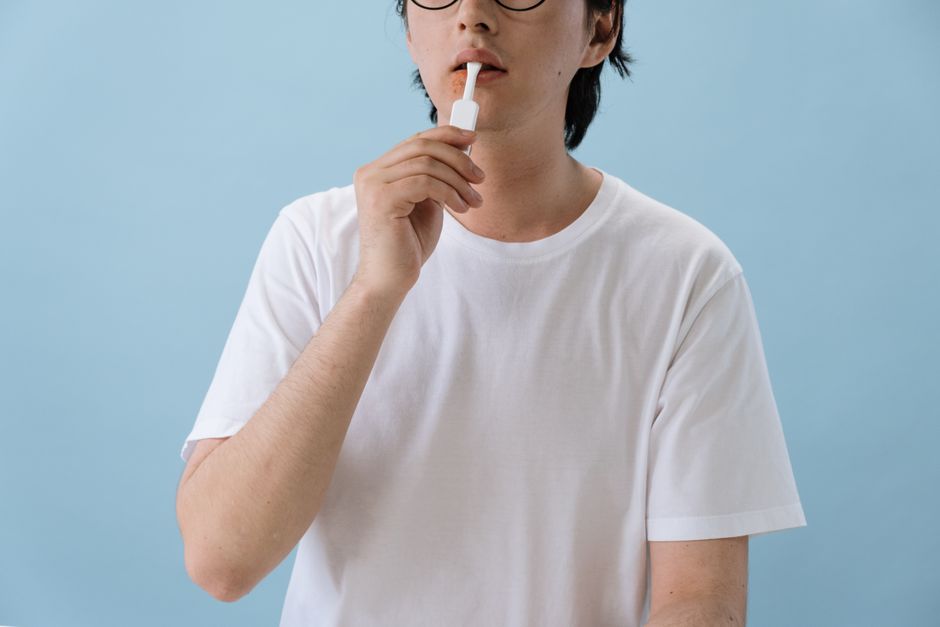
If you suspect you have herpes, doctors use two main types of tests: a viral swab test and a blood test. A swab test collects fluid from a visible sore to detect the virus itself. A blood test looks for antibodies, which are proteins your immune system makes to fight the virus. The right test depends on whether you have an active outbreak or no symptoms at all.
What Is a Herpes Swab Test?
A herpes swab test, also called a viral culture or PCR test, is used when you have an active sore or blister. A healthcare provider rubs a sterile cotton or synthetic swab firmly over the lesion to collect fluid and skin cells. This sample is then sent to a laboratory for analysis.
There are two main ways labs process the swab sample. The older method is viral culture, where the lab tries to grow the virus from your sample. This takes several days and can miss the virus if the sore is already healing. The newer and more accurate method is polymerase chain reaction, or PCR, which detects the virus’s genetic material directly.
PCR testing is now the preferred method in most clinical settings. Research consistently shows PCR is more sensitive than viral culture, meaning it finds the virus more often when it is present. If you have an active outbreak, the PCR swab is the most reliable way to confirm herpes.
Timing matters for swab tests. A swab is most accurate when taken from a fresh, fluid-filled blister. Once a sore has crusted over or begun to heal, the test is less likely to detect the virus. If you have symptoms, see a clinician as soon as possible for testing.
What Is a Herpes Blood Test?
A herpes blood test checks for antibodies against the herpes simplex virus. Antibodies take time to develop after you are first infected. The body typically produces detectable levels within two to twelve weeks after exposure.
There are two types of herpes simplex virus: HSV-1 and HSV-2. HSV-1 most commonly causes cold sores around the mouth, while HSV-2 typically causes genital herpes. However, both types can infect either location due to oral-genital contact.
Blood tests can distinguish between HSV-1 and HSV-2 antibodies. This distinction matters because the two types have different implications for transmission and recurrence. HSV-2 is more likely to cause recurrent genital outbreaks than HSV-1.
One important limitation of blood tests is that they cannot tell you where the infection is located. If you test positive for HSV-2 antibodies, you have the virus somewhere in your body, but the test cannot confirm whether your current symptoms are caused by herpes or something else.
Blood tests are most useful for people who have never had symptoms but are concerned about exposure, or for those who have atypical symptoms that do not look like classic herpes lesions. They are not the first choice for diagnosing an active outbreak.
Which Test Is More Accurate?
Accuracy depends on what you are testing for and when you test. For an active sore, the PCR swab test is the gold standard. It directly detects the virus and has high sensitivity when the lesion is fresh.
For people without symptoms, blood tests are the only option. The accuracy of blood tests varies by the specific test used. Older blood tests, such as complement fixation or some enzyme immunoassays, are less reliable. Modern type-specific blood tests that detect glycoprotein G are significantly more accurate.
False positives can occur with blood tests, especially in people with a low risk of infection. If you receive a positive blood test result but have no symptoms and a low risk profile, your clinician may recommend a confirmatory test using a different method.
False negatives can also happen. If you were exposed to the virus very recently, your body may not have produced antibodies yet. Testing too early can give you a negative result even if you are infected. For this reason, some clinicians recommend waiting several weeks after a suspected exposure before doing a blood test.



How Do Doctors Decide Which Test to Order?
Your clinician will base the choice on your symptoms and history. If you have a visible sore, a swab test is usually the first step. If the swab is negative but your symptoms strongly suggest herpes, a blood test may be ordered as a follow-up.
If you have no symptoms but know you were exposed to a partner with herpes, a blood test is appropriate. The United States Preventive Services Task Force does not recommend routine screening for herpes in people without symptoms, but testing is reasonable after a known exposure or if you have specific concerns.
Pregnant women with a history of genital herpes may be tested to guide delivery decisions, though this practice varies by clinical setting. If you are pregnant and have concerns about herpes, discuss testing with your obstetric provider.
What Do the Results Mean?
A positive swab test confirms you have an active herpes infection at the site tested. It does not tell you when you were first infected or whether you will have future outbreaks. Many people who test positive for herpes never have noticeable symptoms.
A positive blood test for HSV-2 antibodies means you have been infected with the virus at some point in your life. It does not tell you when the infection occurred or whether you are currently contagious. The virus can be transmitted even when you have no visible symptoms, a process called asymptomatic shedding.
A positive blood test for HSV-1 antibodies is very common. A large portion of the adult population carries HSV-1, most often from childhood cold sores. This result does not necessarily mean you have genital herpes.
A negative blood test means no antibodies were detected. If you have symptoms and a negative blood test, you may have tested too early after exposure. Repeat testing after several weeks may be recommended.
Can a Swab and Blood Test Give Different Results?
Yes, this can happen, and it is not unusual. You might have a positive swab test but a negative blood test if you just acquired the infection and have not yet developed antibodies. This scenario means the infection is recent.
Alternatively, you might have a negative swab but a positive blood test. This can happen when a sore is tested too late, when the swab misses the affected area, or when the sore is not actually caused by herpes even though you carry the virus.
When results conflict, clinicians generally trust the swab test for diagnosing an active lesion and the blood test for establishing long-term infection status. The interpretation depends on your specific situation, so discuss all results with your healthcare provider.
Is Testing Confidential and How Much Does It Cost?
Herpes testing is protected by medical privacy laws. Your results are part of your medical record and cannot be shared without your consent. Some people worry about stigma, but clinicians are bound by confidentiality standards.
Costs vary widely depending on where you live and your insurance coverage. A swab test may cost between $50 and $150 without insurance. Type-specific blood tests can range from $50 to $200 or more. Many clinics offer testing at reduced rates, and public health departments often provide low-cost options.
Testing during an active outbreak is generally the most efficient approach because it uses the most accurate method. If you have symptoms, do not wait for them to heal before seeking testing.
When Should You Get Tested?
Get tested as soon as possible if you have an active sore or blister in the genital or oral area. Do not wait for the lesion to heal, as this reduces the accuracy of the swab test.
If you have no symptoms but a partner told you they have herpes, you can get a blood test. For the most accurate result, consider waiting two to twelve weeks after the suspected exposure. If you test too early and get a negative result, you may need a repeat test later.
Routine testing for herpes is not recommended for the general population. The Centers for Disease Control and Prevention does not recommend screening for HSV in people without symptoms. Testing is appropriate when symptoms are present, when you have a known exposure, or when your clinician identifies a specific reason.
Frequently Asked Questions
Can a urine test detect herpes?
No, urine tests are not used to diagnose herpes. Swab tests and blood tests are the only clinically accepted methods.
How long does it take to get herpes test results?
A PCR swab test can return results in one to three days. A viral culture takes longer, usually three to seven days, and blood test results typically take a few days to a week.
Can you test positive for herpes and never have symptoms?
Yes, many people with herpes never develop noticeable symptoms. Up to a large portion of people with HSV-2 antibodies report no history of outbreaks.
Should I get tested if my partner has herpes but I have no symptoms?
A blood test can tell you if you have been infected. Wait two to twelve weeks after your last exposure for the most accurate antibody result.
