
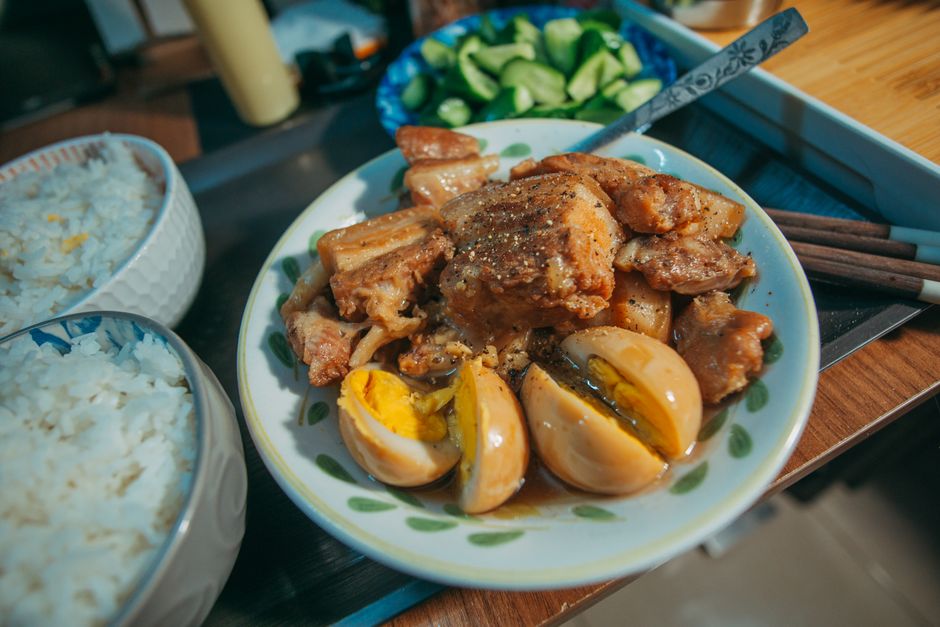
Pork roast should be cooked to an internal temperature of 145°F (63°C) followed by a three-minute rest. This is the official safe temperature set by the USDA since 2011. Cooking to this temperature gives you a safe, juicy roast without drying it out.
What Temperature Is Safe for Pork Roast?
The USDA changed the recommended safe cooking temperature for pork in May 2011. Before that, the standard was 160°F. The change came after research showed that pork can be safely eaten at 145°F because trichinella parasites are killed at 137°F. The three-minute rest time is important. During rest, the temperature stays steady or rises slightly, which completes the safety process.
The CDC reports that trichinellosis cases in the United States have dropped dramatically. From 2011 to 2015, there were only 16 confirmed cases per year on average. Most of these came from wild game meat like bear or wild boar, not from farm-raised pork. So the risk from store-bought pork is extremely low when cooked properly.
Some people still cook pork to 160°F or higher out of habit. That is safe but will produce a drier roast. If you prefer well-done meat, that is your choice. But 145°F is the minimum safe temperature according to current food safety guidelines.
Why Did the Recommended Temperature Change?
The change was based on better science. Research published by the USDA and the Food Safety and Inspection Service showed that trichinella spiralis, the parasite people worried about, dies at 137°F. Adding a safety margin, the USDA set 145°F as the standard.
Another reason was quality. Pork cooked to 160°F is often dry and tough. The pork industry wanted consumers to have a better eating experience. But the change was not just about taste. It was backed by solid food safety data.
It is worth noting that ground pork still needs to reach 160°F. Grinding meat spreads bacteria from the surface throughout the meat. So burgers, meatballs, and sausage made from pork need the higher temperature. Whole muscle cuts like roasts and chops are safe at 145°F.
How Do You Measure the Internal Temperature Correctly?
You need a reliable meat thermometer. Digital instant-read thermometers are the most accurate. Analog dial thermometers can be off by 5 to 10 degrees. That margin of error matters when cooking to 145°F.
Insert the thermometer into the thickest part of the roast. Avoid touching bone. Bone conducts heat differently and will give you a false reading. If your roast has a bone, measure from the side, not the top.
Take the temperature in two or three spots. Different areas of a roast cook at different rates. The coolest spot is the one that matters. If one area reads 145°F and another reads 150°F, the lower reading is your safety checkpoint.
Remove the roast from the oven when it hits 140°F to 142°F. Carryover cooking will raise the temperature 3 to 5 degrees during rest. If you wait until it hits 145°F in the oven, it will overshoot to 148°F or 150°F. That is still safe but slightly less juicy.

Does the Cut of Pork Roast Change the Temperature?
The safe temperature is 145°F for all whole muscle cuts. But the ideal final temperature varies by cut based on fat content and connective tissue.
| Cut | Safe Temp | Ideal Serving Temp |
|---|---|---|
| Pork loin roast | 145°F | 145°F-150°F |
| Pork shoulder/butt | 145°F | 195°F-205°F |
| Pork tenderloin | 145°F | 145°F |
| Bone-in pork roast | 145°F | 145°F-150°F |
| Ground pork | 160°F | 160°F |
Pork shoulder and butt are different. These cuts have lots of connective tissue and fat. Cooking them to 145°F makes them tough and chewy. These cuts need low, slow cooking to 195°F to 205°F. At that temperature, collagen breaks down into gelatin, making the meat tender and pull-apart. This is for pulled pork, not a roast you slice.
Pork loin and tenderloin are lean. They dry out quickly above 150°F. These are best at 145°F with a short rest. Pork shoulder needs hours of cooking to reach tenderness. The safe temperature is still 145°F, but the texture will be unpleasant at that point.
What Happens If You Overcook or Undercook Pork Roast?
Overcooking pork to 160°F or higher dries it out. The muscle fibers contract and squeeze out moisture. A pork loin roast cooked to 170°F can lose 25 to 30 percent of its moisture. That is a dry, disappointing meal.
Undercooking below 145°F is a safety concern. The risk is low with modern farm-raised pork, but it is not zero. The USDA recommends 145°F for a reason. If you prefer rare pork, that is a personal choice, but it is not supported by food safety guidelines.
Some people report pink juice or pink meat at 145°F. This is normal. The color of pork depends on the pH of the meat, not just temperature. A roast cooked to 145°F can still have a pink blush. That does not mean it is undercooked. Use the thermometer, not the color.
How Long Should You Rest Pork Roast After Cooking?
Rest the roast for at least three minutes. This is part of the USDA safety recommendation. During rest, the temperature stays steady or rises slightly. This ensures any remaining bacteria are killed.
Resting also redistributes juices. If you slice immediately, the juices run out onto the cutting board. After a 10 to 15 minute rest, the juices stay in the meat. For a large roast, 15 minutes is better. For a small tenderloin, 5 to 10 minutes is enough.
Cover the roast loosely with foil during rest. Do not wrap it tightly. Tight wrapping traps steam and can make the crust soggy. Loosely tented foil keeps it warm without ruining the texture.
Frequently Asked Questions
Can you eat pork at 140°F?
The USDA recommends 145°F as the minimum safe temperature. Eating pork at 140°F carries a small but real risk that is not recommended by food safety authorities.
Do you need to rest pork roast?
Yes, the USDA requires a three-minute rest after reaching 145°F. Resting also improves juiciness and texture.
Is pink pork safe to eat?
Pink pork cooked to 145°F is safe. Color is not a reliable indicator of doneness for pork. Use a thermometer instead.
What temperature for pulled pork?
Cook pork shoulder to 195°F-205°F for pulled pork. The safe minimum is 145°F, but the meat will be tough at that temperature.
