
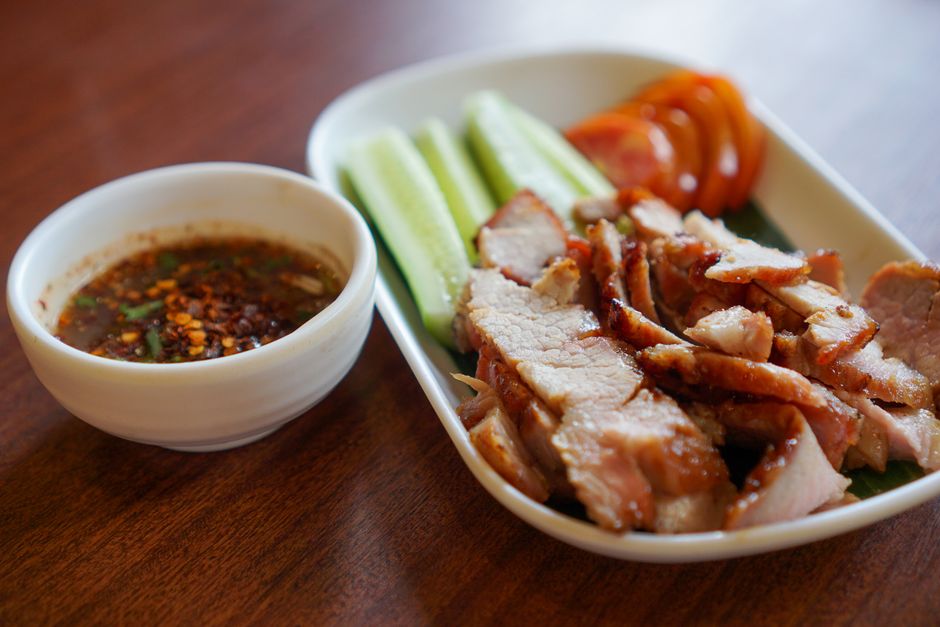
Pork needs to reach a minimum internal temperature of 145°F (63°C), followed by a three-minute rest before carving or eating. This is the official safe cooking temperature established by the U.S. Department of Agriculture (USDA) for whole cuts of pork, including chops, roasts, and tenderloin. Ground pork must be cooked to a higher temperature of 160°F (71°C) because grinding can spread bacteria throughout the meat.
Is 145°F Really Safe for Pork?
Yes. For decades, pork was cooked to 160°F or higher because of fears about trichinosis, a parasitic infection. The USDA changed its recommendation to 145°F in 2011 after research showed the parasite is killed at lower temperatures and modern farming practices have largely eliminated it from commercial pork.
The three-minute rest time matters. During rest, the internal temperature continues to rise by about 5-10°F, and this carryover cooking helps ensure any remaining pathogens are destroyed. The meat also becomes juicier and more tender during this period.
This change means you can cook pork to a medium doneness with a slight pink center, similar to beef. Many people find this produces a much more flavorful and moist result than the dry, overcooked pork many grew up with.
What Temperature Should Ground Pork Reach?
Ground pork must reach 160°F (71°C) with no rest time required. The USDA recommends this higher temperature because grinding exposes more surface area of the meat to potential contamination.
When pork is ground, bacteria from the surface get mixed throughout the entire batch. This is the same reason ground beef has a higher safe temperature than steak. Always use a meat thermometer to check the center of the patty, meatball, or sausage — not just the surface.
Ground pork includes sausages, meatballs, and any recipe where pork is ground or minced. If you are making sausage, check the thickest part of the casing. For patties, insert the thermometer horizontally from the side to reach the center.
What About Stuffed Pork Chops and Rolled Roasts?
Stuffed pork chops and rolled or tied roasts must be cooked to 160°F (71°C). These are treated differently because the stuffing or interior layers introduce additional contamination risk.
When you stuff a pork chop, bacteria from the raw meat can transfer to the stuffing during preparation. The stuffing also absorbs meat juices while cooking. The USDA requires the center of the stuffing to reach 165°F (74°C) to be safe. In practice, this usually means the meat itself will be at or above 160°F.
For rolled and tied roasts, the same logic applies. The interior surfaces that were once the outside of the meat are now inside the roast, bringing surface bacteria with them. Cooking to 160°F ensures these interior surfaces reach a safe temperature.
How to Check Pork Temperature Correctly
Use a digital instant-read thermometer for the most accurate results. Insert the probe into the thickest part of the meat, away from bone, fat, or gristle. For a chop, insert from the side so the probe tip sits in the center. For a roast, insert from the top, angled toward the center.
Do not rely on color, texture, or cooking time alone. Research has consistently shown that visual cues are unreliable for determining doneness. A pork chop can look brown on the outside while still being undercooked in the center. Conversely, some pork remains slightly pink at 145°F, which is perfectly safe.
Here are the key temperature targets to remember:
- Whole cuts (chops, roasts, tenderloin): 145°F, rest 3 minutes
- Ground pork (sausage, meatballs, patties): 160°F, no rest needed
- Stuffed or rolled pork: 160°F, with stuffing at 165°F
- Leftover pork reheating: 165°F
Why a Meat Thermometer Is Non-Negotiable
A meat thermometer is the only reliable way to know your pork is safe. Cooking times vary based on thickness, starting temperature, oven accuracy, and many other factors. A recipe’s suggested time is a rough guide, not a guarantee.
Digital instant-read thermometers are inexpensive and widely available. They give readings in seconds and are accurate to within a degree or two. Analog dial thermometers can work but are slower and need regular calibration. Place the probe correctly every time — in the thickest part, not touching bone.
If you cook pork regularly, a thermometer pays for itself quickly by preventing both undercooked meat and dry, overcooked meat. The difference between 145°F and 160°F in a pork chop is the difference between juicy and tough.
Does Pork Need a Rest Time?
Yes, whole cuts of pork need a three-minute rest before carving. This is part of the USDA safety recommendation, not just a quality suggestion. The temperature continues to rise during rest, which adds a safety margin.
Resting also allows the meat’s juices to redistribute throughout the muscle fibers. If you cut into pork immediately, the juices run out onto the cutting board, leaving the meat dry. After three minutes, the juices stay in the meat.
Ground pork does not require a rest time because it is cooked to a higher temperature already. Stuffed pork should rest for three minutes as well, but check that the stuffing reached 165°F before serving.
What About Trichinosis — Is It Still a Concern?
Trichinosis is caused by the parasite Trichinella spiralis. It was once a real risk from eating undercooked pork, but it is now extremely rare in commercial pork in the United States.
The USDA states that trichinella is killed at 137°F (58°C), which is below the 145°F recommendation. This means the current safe cooking temperature provides a comfortable margin above the parasite’s kill point. Modern feeding practices and regulations have nearly eliminated trichinella from commercially raised pigs.
However, wild game pork, such as wild boar or bear, carries a higher risk of trichinosis. For wild game, the USDA recommends cooking to 160°F (71°C) to be safe. Freezing does not reliably kill trichinella in wild game, so cooking to the higher temperature is the only dependable method.
What If You Accidentally Eat Undercooked Pork?
If you ate pork that was undercooked, do not panic. The risk depends on whether the pork was contaminated in the first place. Most pork from commercial sources is safe even when slightly undercooked, especially if it reached at least 137°F, which kills trichinella.
Monitor for symptoms of foodborne illness over the next few days. These can include nausea, vomiting, diarrhea, abdominal cramps, and fever. Symptoms typically appear within 24-48 hours for bacterial infections. Trichinosis symptoms — which include muscle pain, fever, and facial swelling — appear later, usually within one to two weeks.
If you develop symptoms, contact a healthcare provider. Most cases of foodborne illness resolve on their own with hydration and rest, but some infections require medical treatment. Do not wait if symptoms are severe or persistent.
Frequently Asked Questions
Can pork be slightly pink at 145°F?
Yes, pork can be slightly pink at 145°F and still be safe to eat. The color of cooked pork is not a reliable indicator of safety — only the internal temperature matters.
Is pork safe at 140°F?
No, 140°F is below the USDA minimum of 145°F for whole cuts of pork. Cooking to 145°F plus a three-minute rest is the minimum safe standard.
What temperature kills trichinosis in pork?
The trichinella parasite is killed at 137°F (58°C). The USDA recommends 145°F for whole cuts, providing a safety margin above this kill point.
Do I need to rest pork after cooking?
Yes, whole cuts of pork need a three-minute rest before carving. This allows the temperature to continue rising and helps destroy any remaining pathogens.
