
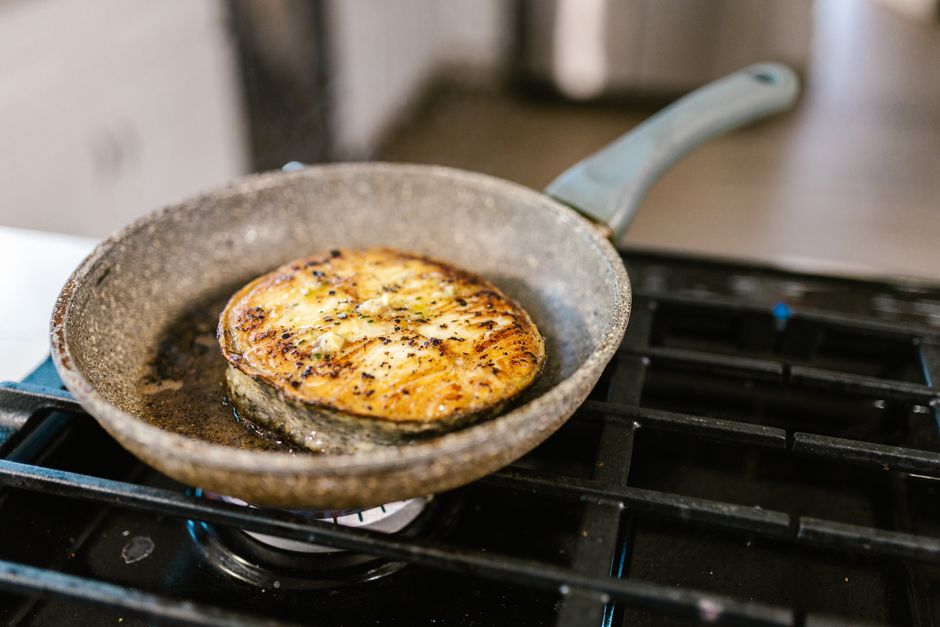
Salmon is one of the most popular fish to cook at home, but it is also one of the easiest to overcook. The target temperature for cooked salmon is 145°F (63°C) according to the USDA, which is the safe minimum internal temperature for fish. However, many chefs prefer to pull salmon off the heat at 125°F (52°C) for a moist, medium-rare center, relying on carryover cooking to bring it up to 130°F to 135°F. The “right” temperature depends on whether you prioritize food safety guidelines or restaurant-style texture.
What Is the Safe Internal Temperature for Salmon?
The USDA recommends cooking all fish to an internal temperature of 145°F (63°C). At this temperature, the flesh is fully opaque and flakes easily with a fork. This is the standard used by food safety inspectors and commercial kitchens.
Reaching 145°F kills harmful bacteria and parasites that can be present in raw fish. This is especially important for people with weakened immune systems, pregnant women, young children, and older adults. For these groups, 145°F is the only safe target.
For healthy adults, the risk of illness from undercooked salmon is low but not zero. Farmed salmon is generally safer to eat than wild-caught salmon because it is raised in controlled conditions and fed processed feed that reduces parasite exposure. Wild salmon can carry parasites, and freezing is the standard method used to kill them before raw consumption.
Why Do Chefs Cook Salmon to Lower Temperatures?
Texture is the main reason chefs aim for lower temperatures. At 145°F, salmon can taste dry and chalky because the proteins have tightened and squeezed out moisture. At 125°F to 130°F, the flesh is still moist, tender, and slightly translucent in the center.
Carryover cooking is the key to this method. When you remove salmon from heat, the internal temperature continues to rise for several minutes. A fillet pulled off the grill at 125°F can climb to 130°F or 135°F while resting. This gives you a medium-rare center without the risk of serving it completely raw.
The trade-off is clear. Lower temperatures produce better texture but carry a slightly higher food safety risk. Higher temperatures are safer but can compromise flavor and moisture. There is no single temperature that satisfies both priorities perfectly.
How to Check the Internal Temperature of Salmon
Use an instant-read thermometer inserted into the thickest part of the fillet. Avoid touching the pan, grill grates, or bone if cooking a steak with the bone in. The thermometer should read the temperature at the center of the flesh, not the surface.
Digital instant-read thermometers are the most reliable tool. They give a reading in 2 to 5 seconds and are accurate within 1 to 2 degrees. Analog thermometers are slower and can be inaccurate if not calibrated regularly.
If you do not have a thermometer, you can use visual cues. Salmon is done when the flesh turns from translucent to opaque and flakes easily with a fork. However, these cues are less precise than a temperature reading. A fillet can look opaque on the outside while the center is still raw.




What Temperature Should You Cook Salmon To at Home?
For most home cooks, the practical answer is 130°F to 135°F (54°C to 57°C). This range gives you a moist, tender fillet while staying closer to food safety guidelines than a rare center. It is a middle ground that works for healthy adults who want good texture without pushing the limits.
If you are cooking for someone with a compromised immune system, pregnant, or elderly, cook to 145°F. The texture will be less ideal, but safety comes first in these situations.
If you prefer your salmon rare, aim for 125°F and rest it for 3 to 5 minutes. The temperature will rise during resting, so pull it off the heat slightly before it hits your target.
How Cooking Method Affects Temperature
Different cooking methods transfer heat at different rates, which affects how quickly salmon reaches your target temperature.
Baking: Oven temperatures of 375°F to 425°F are common. A 6-ounce fillet typically takes 12 to 15 minutes to reach 130°F to 135°F. The gentle, even heat of the oven is forgiving and hard to overcook.
Pan-searing: High heat on the stovetop cooks the outside fast while the center stays cooler. Sear for 3 to 4 minutes per side, then check the temperature. The carryover effect is more pronounced with this method, so pull the salmon off the heat 5°F below your target.
Grilling: Similar to pan-searing, grilling cooks the surface quickly. Use medium-high heat and check the temperature frequently. Grill marks look great but do not indicate doneness.
Sous vide: This method cooks salmon at a precise, controlled temperature in a water bath. You can hold salmon at 125°F for 30 to 45 minutes and get a perfectly even medium-rare throughout. This is the most accurate method but requires specialized equipment.
What Happens When You Overcook Salmon?
Overcooked salmon loses moisture and becomes dry and fibrous. The natural oils and fats that give salmon its rich flavor are rendered out, leaving a bland, chalky texture.
At temperatures above 145°F, the proteins continue to contract and squeeze out more moisture. The flesh becomes increasingly tough and mealy. This is why many people think they dislike salmon — they have only ever eaten it overcooked.
Undercooked salmon is a different problem. Raw or barely cooked salmon can harbor bacteria and parasites that cause foodborne illness. Symptoms include nausea, vomiting, diarrhea, and abdominal cramps. These are generally unpleasant but resolve within a few days for healthy adults.
Does Salmon Need to Rest After Cooking?
Yes. Resting allows the internal temperature to equalize and the juices to redistribute throughout the flesh. If you cut into salmon immediately after cooking, the juices run out onto the cutting board and the flesh dries out.
Rest salmon for 3 to 5 minutes after cooking. During this time, the internal temperature will rise by 5°F to 10°F. Account for this when deciding when to pull the salmon off the heat.
Resting is not optional for temperature control. It is part of the cooking process, not an afterthought.
Frequently Asked Questions
Can you eat salmon at 120°F?
Yes, but only if you accept the food safety risk. 120°F is considered rare and is below the USDA safe minimum of 145°F, so it is not recommended for vulnerable individuals.
What temperature is salmon done at in the oven?
Cook salmon in the oven until it reaches 130°F to 135°F for a moist texture, or 145°F if you are following USDA guidelines. The oven temperature itself should be 375°F to 425°F.
Is it better to cook salmon to 125°F or 145°F?
125°F gives a moister, more tender result but is less safe. 145°F is the safe minimum but can be dry. Choose based on your health status and risk tolerance.
How long does salmon take to cook at 400°F?
A 6-ounce fillet typically takes 12 to 15 minutes at 400°F to reach 130°F to 135°F. Thicker fillets take longer, so always check with a thermometer.
