
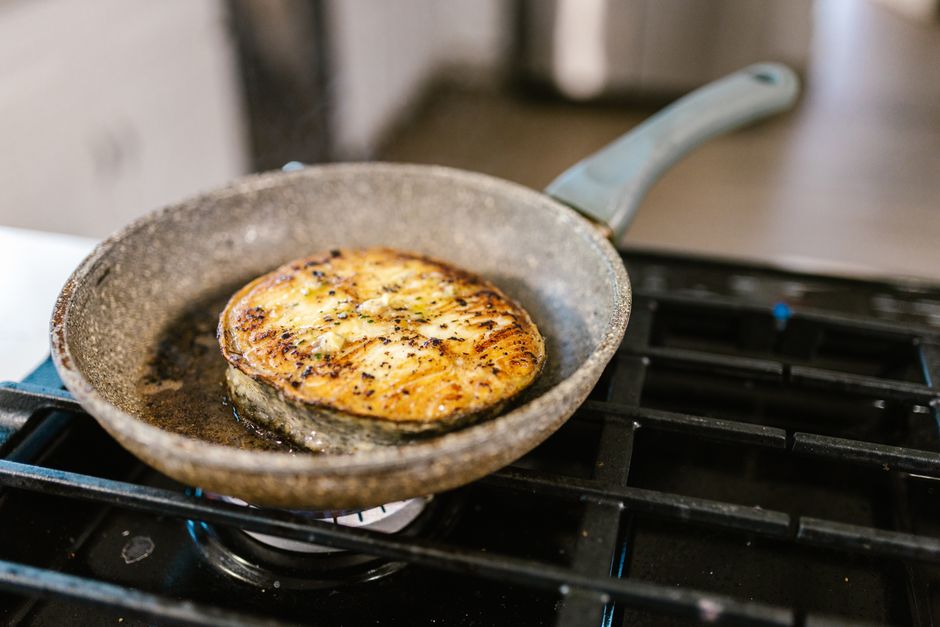
Salmon is fully cooked when its internal temperature reaches 145°F (63°C) at the thickest part of the fillet. That is the official food safety standard set by the USDA. However, many chefs and home cooks prefer to pull salmon from the heat at 125°F to 130°F (52°C to 54°C) because the fish continues to cook from residual heat, landing at a moist, tender finish. The exact temperature you choose depends on whether you prioritize food safety guidelines or a softer, more delicate texture.
What Is the Official Safe Temperature for Salmon?
The USDA recommends cooking all fish to an internal temperature of 145°F (63°C). At this temperature, the flesh should be opaque and flake easily with a fork. This standard applies to salmon caught wild or farmed, fresh or thawed.
Reaching 145°F kills harmful bacteria and parasites that can cause foodborne illness. This is especially important for people with weakened immune systems, pregnant women, older adults, and young children. For these groups, following the 145°F guideline is the safest choice.
That said, many people find salmon cooked to 145°F dry and less flavorful. The proteins tighten and squeeze out moisture at higher temperatures. This is why the recommended temperature for taste often differs from the recommended temperature for safety.
What Temperature Do Chefs Recommend for Salmon?
Professional chefs commonly cook salmon to a lower internal temperature. The target range is usually 125°F to 130°F (52°C to 54°C) at the center of the thickest part. After resting, the temperature rises another 5 to 10 degrees due to carryover cooking.
At this range, salmon is medium-rare to medium. The flesh is still slightly translucent in the center, moist, and rich. It flakes easily but holds together better than fully cooked salmon.
This is not a food safety recommendation. It is a texture preference. If you choose to cook salmon to this lower temperature, you are accepting a slightly higher risk of foodborne illness. For healthy adults eating high-quality, properly handled salmon, the risk is considered low, but it is not zero.
How to Measure Salmon Temperature Correctly
Use an instant-read digital thermometer for the most accurate reading. Insert the probe into the thickest part of the fillet, which is usually the center. Avoid touching the pan, the grill grates, or the skin, because those surfaces are hotter than the interior of the fish.
For thin fillets, insert the thermometer sideways through the side of the fish. This keeps the probe in the flesh rather than poking through to the hot surface below.
Take the reading at the end of the estimated cooking time, not at the beginning. If the temperature is below your target, return the salmon to the heat and check again in 1 to 2 minutes.
Do not rely on visual cues alone. Color and flakiness are helpful but not precise. A digital thermometer removes the guesswork and gives you a repeatable result every time.


What Temperature Should Salmon Be Cooked To for Different Methods?
The target temperature stays the same regardless of cooking method. Whether you bake, grill, pan-sear, or poach, the internal temperature is what matters. The method only affects how quickly you get there.
Baking in an oven at 375°F to 425°F (190°C to 218°C) typically takes 12 to 15 minutes for a 6-ounce fillet. Grilling over medium heat takes about 6 to 8 minutes per side. Pan-searing in a hot skillet takes 4 to 6 minutes total for a 1-inch-thick fillet.
These times are rough estimates. Actual cooking time depends on the thickness of the fish, the starting temperature, and your specific equipment. Always verify doneness with a thermometer rather than a timer.
One important note: the temperature of the salmon when it goes into the pan matters. A cold fillet straight from the fridge takes longer to cook than one left at room temperature for 15 to 20 minutes. For even cooking, pat the salmon dry and let it sit out briefly before cooking.
How Long Should Salmon Rest After Cooking?
Resting is not optional for salmon. It allows the heat to distribute evenly through the fillet and lets the juices settle. Without resting, the center may be undercooked while the outside is done.
Rest salmon for 3 to 5 minutes after removing it from the heat. During this time, the internal temperature will rise by about 5°F to 10°F (3°C to 6°C). This is called carryover cooking.
If you pull the salmon at 125°F (52°C), it may reach 130°F to 135°F (54°C to 57°C) during rest. If you pull it at 135°F (57°C), it may reach 140°F to 145°F (60°C to 63°C). Plan your pull temperature with this rise in mind.
Cover the salmon loosely with foil while it rests. This traps some heat without steaming the fish and softening the crust.
Is It Safe to Eat Salmon at 125°F?
Eating salmon cooked to 125°F is common in restaurants and home kitchens, but it is not officially endorsed by food safety agencies. The USDA and FDA both recommend 145°F as the safe minimum internal temperature for fish.
Some research suggests that salmon can be safely consumed at lower temperatures if it has been previously frozen to kill parasites. Freezing fish at -4°F (-20°C) for at least 7 days kills parasites like tapeworms. This is standard practice for sushi-grade fish.
Bacteria, however, are a separate concern. Freezing does not reliably kill all bacteria. Proper handling, refrigeration, and cooking to a safe internal temperature are the only reliable ways to reduce bacterial risk.
If you are cooking for someone with a compromised immune system, pregnant, or elderly, cook salmon to 145°F. For healthy adults who understand the small risk, cooking to 125°F to 130°F is a personal choice that prioritizes texture.
What Happens if You Overcook Salmon?
Overcooked salmon is dry, chalky, and less flavorful. The proteins denature and squeeze out moisture. The natural oils that make salmon rich are lost, leaving a mealy texture.
The white substance that appears on the surface of cooked salmon is albumin. It is a protein that coagulates and pushes to the surface when the fish cooks. More white goo appears at higher temperatures. If you see a lot of it, the salmon is likely overcooked.
Cooking salmon to 145°F will produce some albumin. Cooking to 125°F to 130°F produces less. This is one reason chefs prefer the lower range — the visual and textural difference is noticeable.
If you accidentally overcook salmon, you can still salvage it. Flake it into salads, mix it into pasta, or make salmon cakes. The flavor will still be good, even if the texture is less ideal.
How to Tell When Salmon Is Done Without a Thermometer
A thermometer is the most reliable tool, but you can use visual cues if you do not have one. Insert a thin knife into the thickest part of the fillet and twist slightly. If the flesh separates into flakes and looks opaque, it is likely done.
Another method is the press test. Press the top of the fillet with your finger. If it feels firm and springs back, it is cooked. If it feels soft and squishy, it needs more time. If it feels hard, it is overcooked.
Raw salmon is translucent and deep orange-red. Cooked salmon is opaque and lighter in color. The center should no longer look raw or glassy.
These methods are helpful but not as precise as a thermometer. Use them as a backup, not as your primary method.
Frequently Asked Questions
What is the best temperature to cook salmon to?
The best temperature depends on your priority. The USDA safe minimum is 145°F, but many chefs prefer 125°F to 130°F for a moister texture.
Can I eat salmon at 130°F?
Yes, many people eat salmon at 130°F, but it is below the USDA recommended 145°F safety threshold. The risk is low for healthy adults with properly handled fish.
Does salmon need to rest after cooking?
Yes, rest salmon for 3 to 5 minutes after cooking. The internal temperature will rise about 5°F to 10°F during this time.
How do I know when salmon is done without a thermometer?
Insert a knife into the thickest part and twist. If the flesh flakes and looks opaque, it is done. The fish should feel firm but not hard when pressed.
