
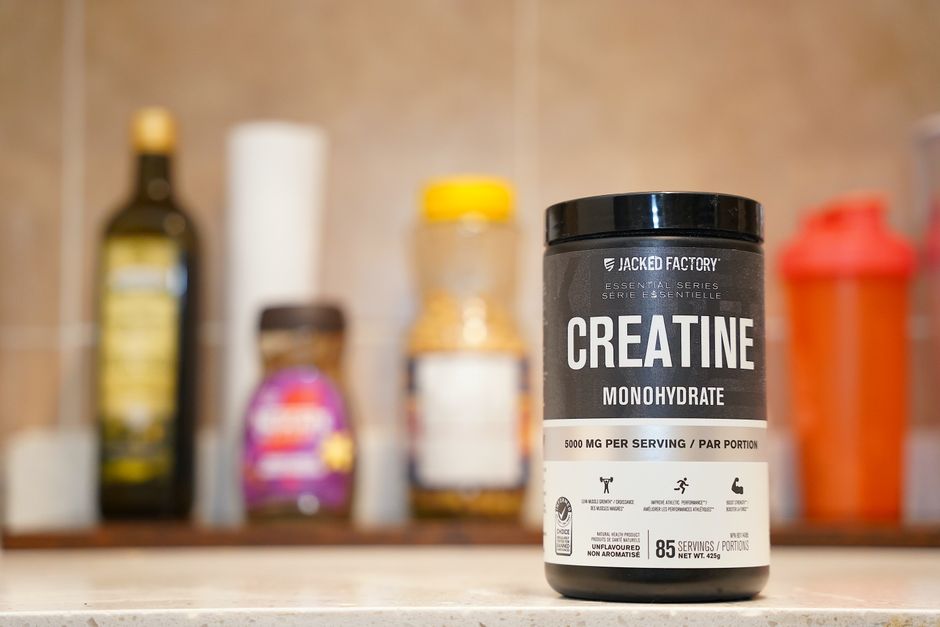
Creatine monohydrate is made through a chemical synthesis process that combines sarcosine and cyanamide under controlled conditions. The result is a white crystalline powder that is nearly identical to the creatine your body produces naturally from amino acids. Most commercial creatine is manufactured in laboratories, not extracted from food or animals.
What Is Creatine Monohydrate at a Chemical Level?
Creatine is a nitrogen-containing compound that your body uses to produce quick energy for muscles. Your liver, kidneys, and pancreas make about 1 to 2 grams of creatine per day from the amino acids glycine, arginine, and methionine. The rest typically comes from dietary sources like red meat and fish.
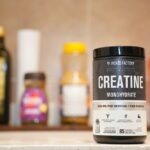
Creatine monohydrate is simply a creatine molecule attached to one water molecule. This is the most studied form of creatine and the one used in nearly all clinical trials. When you buy creatine monohydrate powder, you are getting a synthetic version of the same compound your body already makes.
How Is Creatine Monohydrate Made in Manufacturing Facilities?
The commercial manufacturing process starts with two main chemical precursors: sarcosine and cyanamide. Sarcosine is a derivative of glycine, an amino acid. Cyanamide is a compound produced from calcium cyanamide, which itself comes from limestone, coal, and nitrogen.
In a controlled reaction vessel, sarcosine and cyanamide are combined under specific temperature and pressure conditions. This reaction forms creatine. The crude creatine is then purified through crystallization, which separates the creatine from any remaining reactants or byproducts.
After crystallization, the creatine is washed, filtered, and dried. The final step is milling the dried creatine into a fine powder. Some manufacturers then test the powder for purity and heavy metal contamination before packaging. High-quality creatine monohydrate is typically 99.9% pure.
Is Creatine Monohydrate Synthetic or Natural?
Commercially produced creatine monohydrate is synthetic in the sense that it is manufactured in a laboratory. However, the final molecule is chemically identical to the creatine your body produces and the creatine found in meat and fish.
Your body cannot tell the difference between synthetic creatine and naturally occurring creatine. Both are absorbed and used the same way. This is why creatine monohydrate is classified as a dietary supplement rather than a drug. The synthetic process simply allows manufacturers to produce large quantities at a lower cost than extracting creatine from animal tissue.

What Raw Materials Are Used to Make Creatine Monohydrate?
The primary raw materials are sarcosine and cyanamide. Sarcosine is typically produced from glycine and formaldehyde. Cyanamide is made from calcium cyanamide, which is produced by heating calcium carbonate (limestone) with carbon and nitrogen.
These starting materials are inexpensive and widely available, which keeps the cost of creatine supplements low. The manufacturing process is well established and has been used for decades. Most creatine on the market today is produced in China, Germany, or the United States.
How Does the Body Use Creatine Once You Take It?
When you consume creatine monohydrate, your digestive system absorbs it into the bloodstream. From there, it enters muscle cells where it is converted into phosphocreatine. Phosphocreatine is the storage form of creatine that muscles use to regenerate ATP, the primary energy currency of cells.
During short bursts of intense exercise, like sprinting or heavy weightlifting, your muscles use ATP rapidly. Phosphocreatine helps replenish ATP quickly, allowing you to maintain performance for a few extra seconds or lift slightly more weight. This is why creatine is one of the most researched and effective supplements for athletic performance.
Research consistently shows that creatine monohydrate supplementation increases muscle creatine stores by about 20% on average. However, individual responses vary. Some people are naturally high responders, while others see smaller increases.
Does the Manufacturing Process Affect Quality or Safety?
The quality of creatine monohydrate depends on the manufacturing standards of the specific facility. Reputable manufacturers follow good manufacturing practices and test their products for purity, heavy metals, and contaminants. Third-party testing adds another layer of quality assurance.
Some lower-quality products may contain impurities or fillers. This is why it is worth choosing creatine from brands that use independent testing. The chemical structure of creatine monohydrate is the same regardless of brand, but purity can vary.
Creatine monohydrate is one of the most studied supplements in sports nutrition. Long-term studies have not found significant health risks in healthy adults at recommended doses. However, no supplement is completely without side effects, and some people report stomach discomfort or bloating.
Are There Different Types of Creatine?
Creatine monohydrate is the original and most researched form. Other forms exist, including creatine ethyl ester, creatine hydrochloride, and buffered creatine. These are marketed as having better absorption or fewer side effects.
The evidence does not support these claims. Studies have not shown that other forms of creatine are more effective than monohydrate. Creatine monohydrate remains the gold standard because it is well absorbed, inexpensive, and backed by decades of research. The marketing claims about other forms are not supported by clinical evidence.
How Should You Choose a Creatine Monohydrate Product?
Look for products that list creatine monohydrate as the only active ingredient. Avoid products with proprietary blends or added ingredients that have not been studied. A simple, pure creatine monohydrate powder is the most evidence-based choice.
Check for third-party certification from organizations that test supplements for purity and label accuracy. These certifications indicate that the product has been independently verified. Products without third-party testing may still be fine, but you have less assurance of quality.
Frequently Asked Questions
Is creatine monohydrate safe to take daily?
Yes, clinical trials lasting up to five years have not found significant health risks in healthy adults taking recommended doses. Some people experience mild stomach discomfort or bloating, especially at high doses.
Does creatine monohydrate come from animals?
No, commercial creatine monohydrate is synthesized in a laboratory from sarcosine and cyanamide. It is suitable for vegetarians and vegans because no animal products are used in the process.
How long does it take for creatine to work?
Most people see noticeable effects within one to two weeks of daily supplementation. A loading phase of higher doses for the first week can speed this up, but it is not required.
Can you get creatine from food instead of supplements?
Yes, red meat and fish contain creatine, but you would need to eat about 1 to 2 pounds of meat daily to match a typical supplement dose. This is impractical for most people, which is why supplementation is common.
