
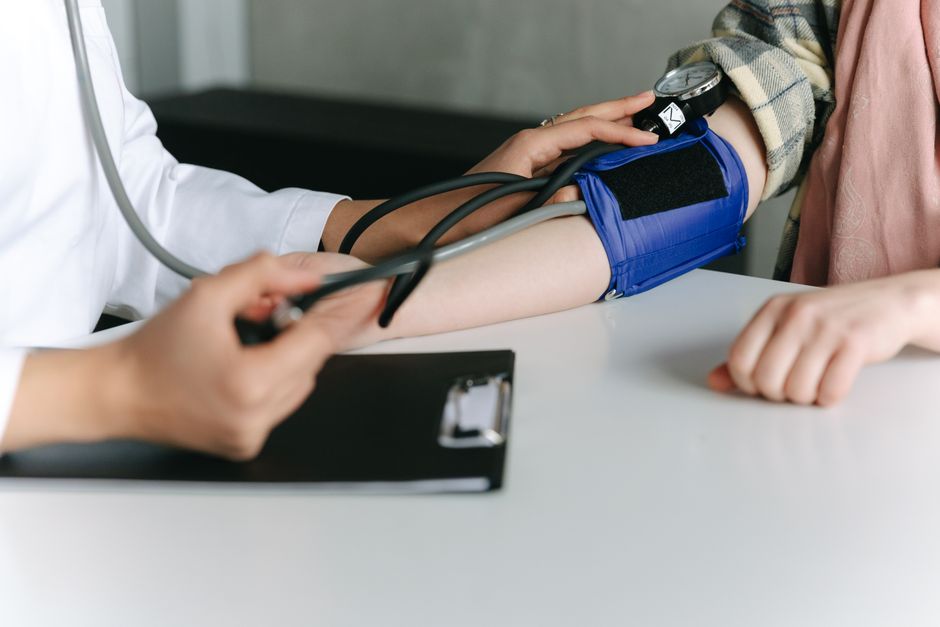
No tea has been proven to raise blood pressure reliably, and that is the honest starting point. Some traditional herbal teas are used for low blood pressure, but the evidence behind them is limited. For most people, the more useful question is not which tea to drink but why their blood pressure is low in the first place.
Low blood pressure, or hypotension, is generally defined as a reading below 90/60 mmHg. Many people with readings in that range feel completely fine and need no treatment. Others feel dizzy, lightheaded, or faint, and those symptoms are what actually matter. Tea can be part of a daily routine, but it is not a substitute for finding the cause.
What Tea Is Good For Low Blood Pressure?
There is no tea with strong clinical evidence showing it raises blood pressure in people who need it. The teas most often discussed for low blood pressure are licorice root, ginseng, and certain stimulant teas that contain caffeine. Each works through a different mechanism, and each comes with real caveats.
Licorice root is the one with the clearest physiological explanation. It contains a compound called glycyrrhizin, which affects how the body handles cortisol. This can lead to sodium and water retention, which in turn can raise blood pressure. That effect is documented in the medical literature — mostly as a problem, not a solution. People who consume large amounts of real licorice have developed high blood pressure and low potassium levels as a result.
Ginseng is sometimes mentioned for low blood pressure, but study results are mixed. Some small trials suggest certain ginseng preparations may affect blood pressure, while others show no clear effect. The evidence does not support recommending it as a treatment.
Caffeinated teas like black tea or green tea can cause a short-term rise in blood pressure in some people. This effect is usually small and temporary. It is not a reliable way to manage a chronic low blood pressure problem.
If you have symptoms from low blood pressure, talk to a doctor before trying to treat it with tea. The cause matters, and some causes need medical attention.
What Causes Low Blood Pressure?
Blood pressure is the force of blood pushing against artery walls. When that force drops, it can be because the heart is pumping less forcefully, the blood vessels have widened, or there is not enough blood volume. Each of these has different causes.
Common causes include dehydration, prolonged standing, certain medications, and problems with the autonomic nervous system — the network of nerves that controls automatic body functions like heart rate and blood vessel tone. Some people have naturally low blood pressure with no underlying disease. This is called constitutional hypotension and is often harmless.
Medications are a frequent culprit. Drugs for high blood pressure, diuretics, some antidepressants, and medications for Parkinson’s disease can all lower blood pressure. If low blood pressure started after a medication change, that timing is important information for your doctor.
Dehydration reduces blood volume directly. So does blood loss. Fever, vomiting, diarrhea, and heavy sweating can all cause temporary drops. In these cases, replacing fluids is the fix — not tea.
There is one type worth understanding because it is often missed. Postprandial hypotension is a drop in blood pressure that happens 30 to 75 minutes after eating. It is more common in older adults and in people with autonomic nervous system conditions. The mechanism involves blood pooling in the digestive tract after a meal. It is a real clinical phenomenon and is managed differently from other forms of low blood pressure.
Can Herbal Teas Raise Blood Pressure?
Some can, but usually not in a controlled or predictable way. The clearest example is licorice root, which can raise blood pressure through sodium and water retention. The effect depends on how much glycyrrhizin the product contains, and that varies widely between products.
This variability is a real problem. Herbal supplements are not held to the same manufacturing standards as prescription drugs in the United States. The amount of active compound in a tea bag or tincture can differ from what the label states. Even when a plant has a known physiological effect, you may not get a consistent dose from a tea.
Other herbs sometimes mentioned for low blood pressure include rosemary, ephedra, and ma huang. Ephedra and ma huang contain ephedrine, a stimulant that can raise blood pressure and heart rate. Ephedra was banned from dietary supplements in the United States in 2004 because of serious cardiovascular risks. It should not be used.
Rosemary is sometimes cited in traditional medicine for circulation. There is no solid clinical evidence that rosemary tea raises blood pressure in humans. The same is true for most other herbs in this category.
The pattern here is worth naming. A plant having a measurable effect on blood pressure in a laboratory or in a case report does not mean drinking it as tea will help you. Dose, preparation, and individual response all matter, and the research is thin.


What About Caffeine and Blood Pressure?
Caffeine causes a short-term increase in blood pressure in many people. The effect usually appears within 30 minutes and can last a few hours. For people who do not normally consume caffeine, the rise tends to be larger. For regular consumers, the body adapts and the effect shrinks.
Research on caffeine and blood pressure has mostly focused on whether it raises pressure in people with normal or high blood pressure. The findings generally show a small, temporary increase. Whether that translates into a useful effect for someone with symptomatic low blood pressure has not been well studied.
Black tea, green tea, and matcha all contain caffeine, though amounts vary by type and brewing time. A cup of black tea typically has less caffeine than a cup of coffee. If you are sensitive to caffeine, even a modest amount can cause jitteriness, a racing heart, or trouble sleeping.
Using caffeine to manage low blood pressure is a strategy some people try. It is not a standard medical recommendation. If your doctor has suggested it, follow their guidance. If not, it is worth asking before you make it a daily habit.
When Is Low Blood Pressure a Medical Concern?
Low blood pressure is only a problem when it causes symptoms or when it signals an underlying condition. A number alone does not tell the whole story. Some healthy people, particularly athletes and younger adults, run naturally low readings and feel fine.
Symptoms that warrant attention include dizziness when standing, fainting, blurred vision, confusion, nausea, and fatigue. Chest pain, shortness of breath, and a rapid or weak pulse are more serious and need urgent evaluation.
Certain types of low blood pressure are more concerning than others. Orthostatic hypotension — a drop in blood pressure when standing up — is defined as a fall of at least 20 mmHg in systolic pressure or 10 mmHg in diastolic pressure within three minutes of standing. It is associated with falls, fractures, and in older adults, increased risk of cardiovascular events. It is not something to manage with tea.
Severe hypotension from blood loss, infection, or an allergic reaction is a medical emergency. These situations require immediate treatment, not home remedies.
If you have symptoms, the evaluation usually starts with a review of your medications, a check of your hydration status, and blood pressure readings taken in different positions. Sometimes further testing is needed to look at heart function or the autonomic nervous system.
What Actually Helps Low Blood Pressure?
For people with symptoms, the approaches with the most support are not teas. They are fluid and salt intake, compression stockings, slow position changes, and in some cases, medication. Which of these applies depends on the cause.
Drinking more water can help if dehydration is contributing. Increasing salt intake is sometimes recommended, but only under medical supervision — especially for people with heart or kidney conditions. Salt can raise blood pressure, but it can also cause problems in people who are sensitive to it.
Compression stockings help prevent blood from pooling in the legs. They are commonly used for orthostatic hypotension. Getting up slowly, flexing your legs before standing, and avoiding prolonged standing can also reduce symptoms.
Some medications are prescribed for low blood pressure, including fludrocortisone and midodrine. These are used when lifestyle measures are not enough and are prescribed by a doctor. They are not something to self-manage.
If you want to include tea in your routine, the safest approach is to treat it as a beverage, not a treatment. Avoid licorice root in large amounts, especially if you have high blood pressure, heart disease, or kidney problems. Be cautious with any herbal product that claims to raise blood pressure. And tell your doctor about any tea or supplement you use regularly, because interactions are possible.
Frequently Asked Questions
Does licorice tea raise blood pressure?
Licorice root contains glycyrrhizin, which can cause sodium and water retention and raise blood pressure. However, this effect is usually discussed as a risk, not a treatment, and the amount varies widely between products.
Is green tea good for low blood pressure?
Green tea contains caffeine, which can cause a small, short-term rise in blood pressure in some people. There is no strong evidence that green tea treats symptomatic low blood pressure.
Can I treat low blood pressure at home with tea?
No tea has been proven to reliably treat low blood pressure. If you have symptoms like dizziness or fainting, see a doctor to find the cause before trying home remedies.
What should I drink if my blood pressure is low?
Water is the most reliable choice if dehydration is contributing to your low blood pressure. For ongoing symptoms, talk to your doctor about whether you need other measures.
