
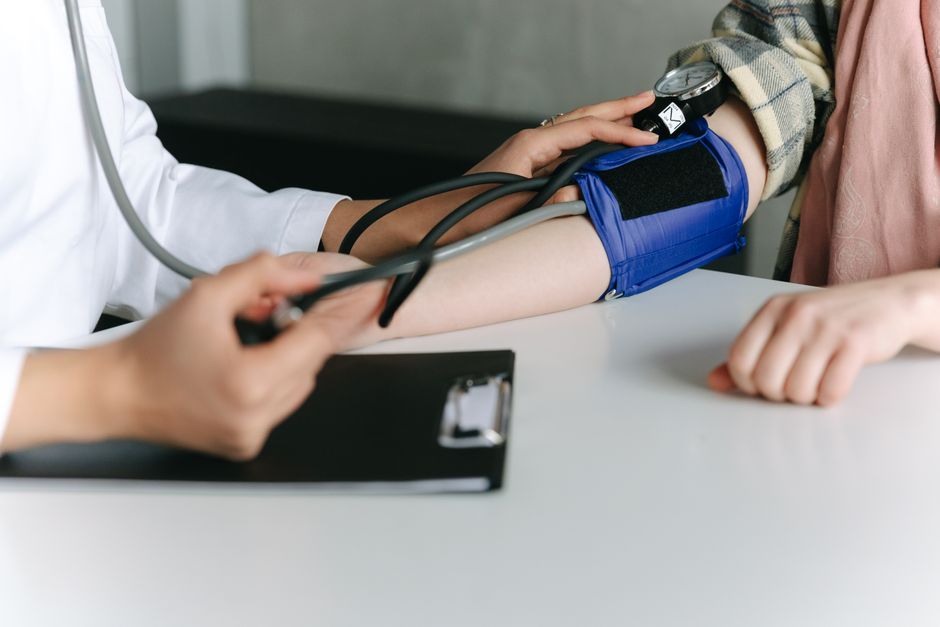
High blood pressure in pregnancy is not a single condition. It matters whether it started before pregnancy, appears for the first time after 20 weeks, or comes with signs that organs like the liver, kidneys, or blood system are being affected. That difference shapes how it is managed, and it is the reason the first real step is always the same: call your obstetric provider rather than trying to fix it on your own.
If your readings are only mildly elevated and your provider has confirmed you and your baby are stable, several things you can do at home may help. These include following any medication plan exactly, keeping sodium intake moderate, staying physically active if you have been cleared for it, managing stress, and monitoring your blood pressure at home. If readings are high or you have symptoms like a severe headache, vision changes, or upper belly pain, this is a medical emergency — get care right away.
Why Blood Pressure Is Watched So Closely in Pregnancy
Blood pressure normally changes during pregnancy. It often dips slightly in the second trimester and rises again toward the end. When it climbs above normal, the concern is not just the number itself. The concern is what high blood pressure can do to the placenta, which supplies oxygen and nutrients to the baby.
High blood pressure can narrow the blood vessels in the placenta. That can limit blood flow to the baby and, in serious cases, affect the baby’s growth. It also raises the risk of a condition called preeclampsia, where high blood pressure is joined by signs that other organs are stressed — protein in the urine, liver or kidney changes, or blood-clotting problems.
This is why prenatal visits include a blood pressure check every time. It is a simple measurement that can flag a problem before symptoms appear. Most people with high blood pressure in pregnancy have healthy outcomes, but that depends on catching and managing it early. The condition itself is the danger, not the monitoring.
What Counts as High Blood Pressure During Pregnancy?
The thresholds used in pregnancy are the same ones used outside it. A reading of 140/90 mm Hg or higher is generally considered high. Severe high blood pressure is typically 160/110 mm Hg or above, and that level needs urgent attention.
There is one important nuance. A single high reading does not always mean a problem. Blood pressure fluctuates with stress, movement, and even the setting you are in. Some people have readings that spike in a clinic and settle at home — a pattern called white-coat hypertension. That is why providers often repeat measurements or ask you to track readings at home.
Two numbers matter. The top number (systolic) is the pressure when your heart beats. The bottom number (diastolic) is the pressure between beats. Either one being elevated counts.
How To Reduce Blood Pressure While Pregnant: Step by Step
These steps assume your provider has told you your situation is stable enough to manage at home. If you have not been told that, treat the first step as the only step for now.
Step 1: Contact your provider before changing anything. Do not start, stop, or adjust any blood pressure medication on your own. Some medications used for blood pressure outside pregnancy are not appropriate during pregnancy, and some that are appropriate need careful monitoring. Your provider needs to know about every reading that concerns you.
Step 2: Take your medication exactly as prescribed. If you have been given medication, taking it consistently is the single most reliable way to lower your numbers. Skipping doses because you feel fine is a common and understandable mistake — high blood pressure usually causes no symptoms until it is severe.
Step 3: Track your blood pressure at home if your provider asks you to. Use a validated upper-arm monitor, sit quietly for a few minutes first, keep your feet flat, and rest your arm at heart level. Record the numbers and share them. Home readings give your provider a clearer picture than a single clinic measurement.
Step 4: Keep sodium moderate. Most people in the US get far more sodium than the body needs. The Dietary Guidelines for Americans recommend limiting sodium to less than 2,300 mg per day for the general population. Reducing highly processed foods, canned soups, deli meats, and restaurant meals is the most practical way to cut sodium. Whether this lowers blood pressure as much in pregnancy as outside it is not fully established, but it is a reasonable and generally safe step.
Step 5: Stay physically active if you have been cleared. For most uncomplicated pregnancies, moderate activity like walking is considered safe and beneficial. The evidence that exercise directly lowers blood pressure in pregnancy is limited, but it supports general health and healthy weight. If you have been told to limit activity, follow that instead.
Step 6: Manage stress where you can. Stress can raise blood pressure in the moment. Whether long-term stress reduction meaningfully changes pregnancy blood pressure is not well established, but practices like slow breathing, adequate sleep, and asking for help are low-risk and worth doing.
Step 7: Keep every prenatal appointment. Do not skip visits, and do not delay reporting new symptoms. Early detection is what keeps most cases manageable.
What to Avoid While Managing Blood Pressure in Pregnancy
Some common blood pressure strategies are not appropriate during pregnancy, and a few are genuinely risky.
- Do not take herbal or “natural” blood pressure supplements without asking your provider. Many are not tested for safety in pregnancy, and some can affect blood pressure or interact with medication.
- Do not follow very low-calorie or crash diets. Restricting nutrition can harm the baby.
- Do not use saunas, hot tubs, or extreme heat to try to lower readings.
- Do not stop a prescribed medication because your numbers improved. Improvement often means the medication is working.
- Do not rely on a wrist or finger monitor. Upper-arm monitors are more reliable.
If you are unsure whether something is safe, the honest answer is to ask before you try it. There is no penalty for asking.
When High Blood Pressure in Pregnancy Becomes an Emergency
Some symptoms mean you should not wait for your next appointment. Get medical care immediately if you have any of the following:
- A severe headache that will not go away
- Changes in vision, such as blurring, flashing lights, or seeing spots
- Pain in the upper right belly or under the ribs
- Sudden swelling of the face, hands, or feet
- Shortness of breath or chest pain
- Nausea or vomiting that is new and severe
- A blood pressure reading of 160/110 mm Hg or higher
These can be signs of preeclampsia or another serious complication. Preeclampsia can progress quickly, and the only cure is delivery. That sounds frightening, but it also means the condition is treatable when caught. Delaying care is the real risk.
How Is High Blood Pressure in Pregnancy Treated?
Treatment depends on how high the readings are, how far along you are, and whether there are signs of organ involvement. For mild elevations, providers often recommend monitoring and lifestyle steps. For higher readings, medication is usually needed.
Certain blood pressure medications are considered safer in pregnancy than others, and your provider will choose based on your specific situation. Some medications commonly used outside pregnancy are avoided because they can harm the baby. This is exactly why self-treating is not an option.
In more serious cases, providers may recommend hospital monitoring, medications to lower blood pressure quickly, and in some situations, early delivery. The timing of delivery is a careful balance between the baby’s readiness and the mother’s safety.
It is worth knowing that biological reasoning alone does not tell us how well a treatment works. A medication that lowers blood pressure in theory still needs to be shown to improve outcomes in pregnancy. For the medications used in pregnancy, that evidence exists for specific situations, which is why providers follow established protocols rather than improvising.
Frequently Asked Questions
Can I lower my blood pressure during pregnancy without medication?
If your readings are only mildly elevated and your provider says you are stable, lifestyle steps like reducing sodium and staying active may help. If your readings are high or you have symptoms, medication is often needed and should not be avoided.
Is it safe to exercise with high blood pressure while pregnant?
For most uncomplicated pregnancies, moderate activity like walking is considered safe and is often encouraged. If you have been told to limit activity or have a complication, follow your provider’s guidance instead.
What blood pressure reading is dangerous in pregnancy?
A reading of 160/110 mm Hg or higher needs urgent medical attention. Readings of 140/90 mm Hg or above should be reported to your provider.
Can high blood pressure in pregnancy harm my baby?
Yes, if it is not managed, it can reduce blood flow through the placenta and affect the baby’s growth. Regular monitoring and treatment lower that risk.
High blood pressure in pregnancy is manageable, but it is not something to handle alone. The most effective steps are the ones your provider guides, supported by the daily habits you control. When in doubt, call — that call is part of the treatment, not a sign of weakness.
