
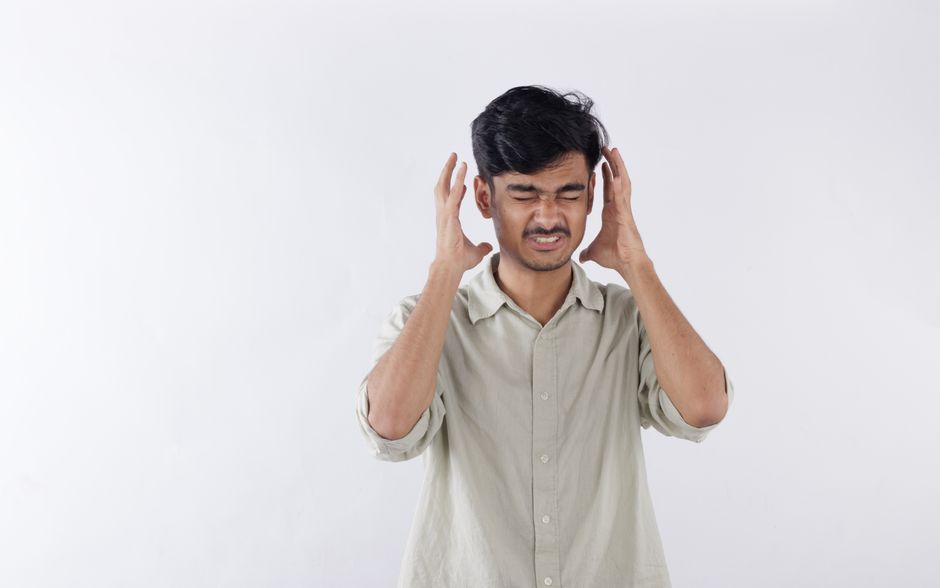
Anxiety is not just a feeling. It is a full-body stress response, and it can produce symptoms in nearly every system you have. Your heart may race, your muscles may tighten, your stomach may churn, and your thoughts may spiral — often all at once. The symptoms are real, they are physical, and they have a clear biological basis.
Anxiety activates the body’s fight-or-flight response. That system evolved to help you survive immediate danger. When it fires repeatedly or stays switched on, it creates symptoms that can feel confusing and frightening — especially when you do not realize anxiety is the cause.
What Symptoms Does Anxiety Cause In Body And Mind?
Anxiety symptoms fall into two broad groups: physical and psychological. Most people experience a mix of both.
Physical symptoms come from the activation of your sympathetic nervous system. This is the branch of your nervous system that prepares your body to respond to threat. When it activates, it releases adrenaline and cortisol, speeds up your heart, redirects blood flow to your muscles, and slows digestion. That cascade produces measurable changes you can feel.
Common physical symptoms include:
- A racing, pounding, or fluttering heart
- Shortness of breath or a feeling of not getting enough air
- Chest tightness or pressure
- Muscle tension, especially in the neck, shoulders, and jaw
- Trembling or twitching
- Sweating, especially in the palms
- Dizziness or lightheadedness
- Nausea, stomach pain, or digestive upset
- Frequent urination or diarrhea
- Fatigue or trouble sleeping
- Headaches
- Numbness or tingling in the hands and feet
- A lump-in-the-throat sensation
Psychological symptoms include persistent worry that feels hard to control, difficulty concentrating, irritability, restlessness, a sense of dread, and feeling like something bad is about to happen. Some people describe a detached feeling, as if they are watching themselves from outside their body.
Sleep is often affected. People with anxiety may struggle to fall asleep, wake frequently, or wake earlier than intended. Racing thoughts at night are common.
One important point: anxiety symptoms overlap heavily with symptoms of other medical conditions. Chest pain, shortness of breath, heart palpitations, and dizziness can also signal heart, lung, or thyroid problems. Never assume anxiety is the cause without a medical evaluation. This is not a reason to panic — it is a reason to get checked.
Why Does Anxiety Cause Physical Symptoms?
Your body does not distinguish well between a real threat and a perceived one. A near-miss in traffic and a nagging worry about a work deadline can trigger the same stress hormones.
When your brain perceives a threat, the amygdala — a small structure deep in the brain — signals the hypothalamus. The hypothalamus activates two pathways. One is the fast route: nerve signals travel to your adrenal glands and release adrenaline within seconds. That is why your heart can pound before you have even consciously registered what is happening.
The second is slower: the HPA axis (hypothalamic-pituitary-adrenal axis) triggers cortisol release. Cortisol keeps your body on alert and mobilizes glucose for energy. In short bursts this is normal and useful. When it stays elevated over time, it can affect sleep, digestion, immune function, and mood.
This is why anxiety is not “all in your head.” The physiological changes are measurable. Heart rate increases, breathing rate increases, blood pressure can rise, and digestion slows. These are documented stress responses, not imagined ones.
How Does Anxiety Affect the Heart and Breathing?
The cardiovascular and respiratory symptoms of anxiety are among the most distressing — and the most likely to be mistaken for a medical emergency.
During anxiety, your heart rate increases to pump more blood to your muscles. Blood vessels in your limbs may narrow while those in your core widen. This can cause palpitations, a pounding sensation in your chest, or a fluttering feeling. Blood pressure often rises temporarily.
Breathing typically becomes faster and shallower. This is called hyperventilation when it is pronounced. It lowers carbon dioxide levels in your blood, which can cause dizziness, tingling in the hands and around the mouth, muscle cramps, and a feeling of unreality.
Here is where it gets circular: the physical symptoms of hyperventilation can themselves feel threatening, which increases anxiety, which increases breathing rate. Breaking that loop is one reason breathing techniques are used in anxiety treatment, though the evidence for their standalone effectiveness varies.
If you experience chest pain, especially with sweating, nausea, or pain radiating to your arm or jaw, seek emergency medical care. Do not assume it is anxiety. Cardiac symptoms and anxiety symptoms can look identical, and only a medical professional can tell the difference.




How Does Anxiety Affect the Gut and Digestion?
The gut has its own nervous system — sometimes called the enteric nervous system — with hundreds of millions of neurons. It communicates constantly with the brain. This is often called the gut-brain axis.
When your body is in fight-or-flight mode, digestion is not a priority. Blood flow is redirected away from the digestive tract. This can cause nausea, stomach cramps, bloating, constipation, or diarrhea. Some people lose their appetite entirely. Others eat more.
Anxiety is strongly associated with irritable bowel syndrome (IBS). The relationship is bidirectional: anxiety can worsen IBS symptoms, and IBS symptoms can worsen anxiety. This does not mean IBS is “caused by anxiety” — it is a real gastrointestinal condition with multiple contributing factors. But stress management is often part of IBS treatment for this reason.
If you have persistent digestive symptoms, see a doctor. Do not self-diagnose them as anxiety-related. Conditions like celiac disease, inflammatory bowel disease, and thyroid disorders can produce similar symptoms.
How Does Anxiety Affect Thinking, Memory, and Mood?
Anxiety narrows attention. Your brain prioritizes threat detection over everything else. That is why it becomes hard to concentrate, read, or follow a conversation when you are anxious.
Working memory — the mental workspace you use to hold and manipulate information — is particularly affected. This is not a character flaw or a sign of cognitive decline. It is a predictable consequence of a brain that is allocating resources to threat monitoring.
Mood symptoms include irritability, restlessness, feeling on edge, and a persistent sense of dread. Some people become easily startled. Others feel emotionally numb or detached.
Anxiety and depression frequently occur together. Research consistently shows high rates of overlap between anxiety disorders and major depressive disorder. When both are present, treatment usually addresses both.
It is also worth knowing that anxiety can mimic attention deficit symptoms. Difficulty focusing, restlessness, and racing thoughts can look like ADHD but stem from anxiety. This is one reason a careful clinical evaluation matters.
When Should You Seek Help for Anxiety Symptoms?
Occasional anxiety is a normal part of life. It becomes a concern when it is persistent, hard to control, or interferes with work, relationships, sleep, or daily functioning.
Consider talking to a doctor or mental health professional if:
- You worry excessively most days for six months or longer
- Anxiety interferes with your job, school, or relationships
- You avoid situations because of anxiety
- You have panic attacks
- You use alcohol or drugs to manage anxiety
- You have trouble sleeping most nights
- You feel hopeless or have thoughts of harming yourself
If you have thoughts of harming yourself, contact the 988 Suicide and Crisis Lifeline by calling or texting 988. This is available 24 hours a day in the United States.
Anxiety disorders are among the most treatable mental health conditions. Treatment typically includes psychotherapy, medication, or both. Cognitive behavioral therapy has the strongest evidence base among psychological treatments for anxiety disorders. Selective serotonin reuptake inhibitors (SSRIs) and serotonin-norepinephrine reuptake inhibitors (SNRIs) are commonly prescribed and have demonstrated effectiveness in clinical trials.
Some clinicians also recommend lifestyle changes such as regular physical activity, consistent sleep schedules, and reduced caffeine intake. The evidence for exercise as an anxiety treatment is moderate and growing. The evidence for caffeine reduction is based mainly on the well-documented fact that caffeine can trigger or worsen anxiety symptoms in susceptible people.
What works for one person may not work for another. Treatment often involves some trial and error. That is normal and not a sign of failure.
Frequently Asked Questions
Can anxiety cause physical symptoms without you feeling anxious?
Yes. Some people experience physical symptoms like chest tightness, stomach upset, or dizziness without consciously feeling worried. The body’s stress response can activate outside of your awareness.
How long do anxiety symptoms last?
A single episode of acute anxiety usually peaks within minutes and subsides. Generalized anxiety symptoms can persist for months or longer if untreated, which is why professional evaluation matters.
Is anxiety a real medical condition?
Yes. Anxiety disorders are recognized medical conditions listed in the Diagnostic and Statistical Manual of Mental Disorders (DSM-5). They involve measurable changes in brain function and stress hormone activity.
Can anxiety cause chest pain that feels like a heart attack?
Yes, anxiety can produce chest pain, tightness, and palpitations that closely resemble cardiac symptoms. Because the two can be indistinguishable without testing, seek emergency care for new or severe chest pain.
