
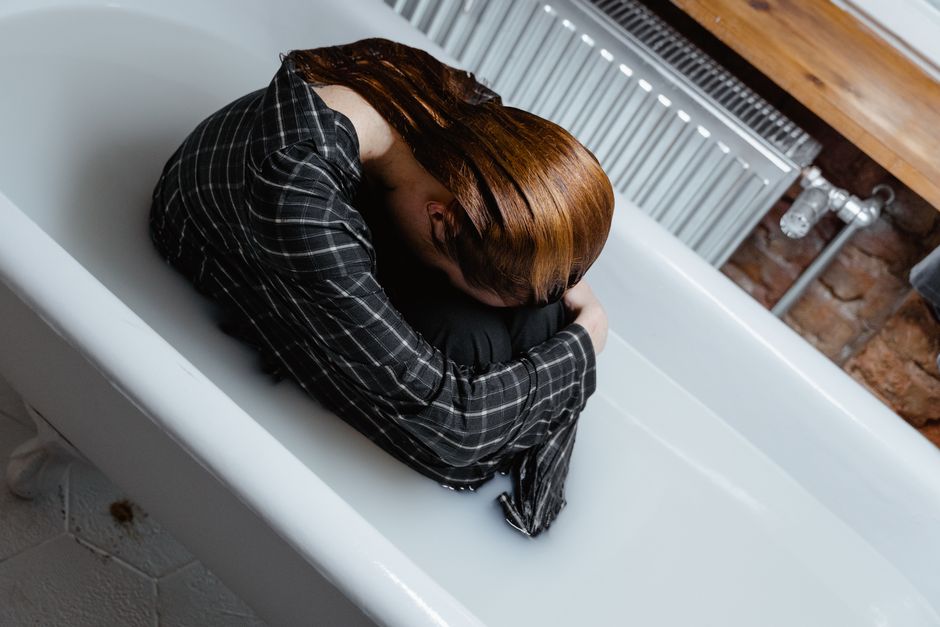
Free floating anxiety is a persistent feeling of worry or dread that is not tied to any specific situation, event, or trigger. Unlike regular anxiety, which usually has a clear cause like a job interview or a difficult conversation, free floating anxiety feels like it is everywhere at once. The feeling can be vague and diffuse, making it hard to pinpoint exactly why you feel on edge. This form of anxiety is a core symptom of Generalized Anxiety Disorder (GAD), though people can experience it without meeting the full criteria for that diagnosis.
How Is Free Floating Anxiety Different From Normal Worry?
Everyone worries sometimes. Worrying about a specific problem is a normal part of life. It usually fades once the problem is solved or the event passes.
Free floating anxiety is different. It does not fade when a problem is resolved. The anxious feeling persists even when life is calm and there is nothing obvious to worry about. People often describe it as a constant hum of unease in the background of their day. It can be exhausting because there is no clear target to address or fix.
The anxiety can attach itself to whatever is in front of you at the moment. You might feel anxious about work, then about your health, then about your family, then back to work. But the core feeling remains the same. The worry is the symptom, not the cause. This is why treating the specific worry does not usually stop the anxiety.
What Are the Symptoms of Free Floating Anxiety?
Symptoms affect both the mind and the body. The mental symptoms are often the most distressing because they feel uncontrollable.
Mental and emotional symptoms include:
- A constant sense of dread or impending doom
- Difficulty concentrating because your mind keeps jumping to worst-case scenarios
- Feeling restless, on edge, or keyed up most of the time
- Irritability that seems out of proportion to the situation
- Trouble falling asleep or staying asleep because your mind will not quiet down
- A feeling that something bad is about to happen, even when everything is fine
Physical symptoms are common as well. The body’s stress response stays switched on, which takes a toll over time. Physical symptoms can include muscle tension, especially in the neck, shoulders, and jaw. You might notice a racing heart, sweaty palms, or shallow breathing. Fatigue is very common because your body is working overtime even when you are resting. Stomach problems like nausea, cramping, or diarrhea can also occur. Headaches and trembling are frequent complaints.
These physical symptoms are real. They are not “all in your head.” The anxiety activates your nervous system, which directly affects your body. Understanding this can help you take the symptoms seriously instead of dismissing them.
What Causes Free Floating Anxiety?
There is no single cause. Research suggests a combination of genetics, brain chemistry, and life experiences. Some people seem to be born with a more reactive nervous system. They are naturally more alert to potential threats. This is not a character flaw. It is a biological tendency that can be influenced by environment.
Brain chemistry plays a role. Neurotransmitters like serotonin, norepinephrine, and GABA help regulate mood and the stress response. When these chemical systems are out of balance, anxiety can become chronic and untethered from specific triggers. This is why medications that affect these systems can be helpful for some people.
Life experiences matter too. Chronic stress over months or years can wear down your ability to cope. This includes ongoing financial strain, a demanding job, caregiving responsibilities, or a difficult relationship. A single traumatic event can also change how your brain processes threat. After trauma, the brain stays in a state of high alert, waiting for danger that may not come.
Personality traits can contribute. People who are naturally perfectionistic, highly self-critical, or who have a strong need for control may be more prone to free floating anxiety. Their minds are always scanning for things that might go wrong, which keeps the anxiety alive.





How Is Free Floating Anxiety Diagnosed?
A doctor or mental health professional can diagnose this condition. They will typically ask about your symptoms, how long you have had them, and how they affect your daily life. They may also run blood tests to rule out medical conditions that can cause anxiety symptoms, such as thyroid problems or vitamin deficiencies.
To meet the diagnostic criteria for Generalized Anxiety Disorder, the worry must be present more days than not for at least six months. The worry must also be difficult to control and must cause significant distress or impairment in work, social life, or other important areas. However, you do not need to meet the full criteria to benefit from help. If free floating anxiety is interfering with your life, it is worth addressing regardless of whether you have a formal diagnosis.
It is important to be honest with your doctor about what you are experiencing. Many people downplay their anxiety because they feel they should be able to handle it. But anxiety is a medical condition, not a personal failure. Accurate reporting helps you get the right care.
What Treatment Options Are Available?
Treatment usually involves therapy, medication, or a combination of both. Cognitive behavioral therapy (CBT) has the strongest evidence base for anxiety disorders. CBT helps you identify the thought patterns that keep anxiety going and teaches you practical skills to respond to them differently. You learn to test your worries against reality rather than accepting them as facts.
Acceptance and commitment therapy (ACT) is another approach with growing evidence. ACT focuses on accepting anxious thoughts without fighting them, while committing to actions that align with your values. It can be especially helpful for people who feel exhausted by trying to control their anxiety.
Medication can be effective for moderate to severe anxiety. Selective serotonin reuptake inhibitors (SSRIs) are commonly prescribed. They are not fast-acting. They typically take several weeks to build up to full effect. Benzodiazepines work quickly for short-term relief, but they carry a risk of dependence and are generally not recommended for long-term use. Your doctor can discuss the options and help you weigh the benefits and risks based on your situation.
Lifestyle habits can support treatment, though they are not a substitute for it. Regular exercise, consistent sleep, and reducing caffeine can help lower your baseline level of arousal. These habits are useful tools, but they rarely resolve chronic anxiety on their own. If your anxiety is persistent, professional treatment is the most reliable path forward.
When Should You Seek Professional Help?
If anxiety is interfering with your daily functioning, it is time to seek help. This includes difficulty working, avoiding social situations, or struggling to maintain relationships. It also includes physical symptoms that are disrupting your sleep or your ability to concentrate.
Seek help sooner rather than later if you are using alcohol or other substances to cope. This is a sign that the anxiety is becoming unmanageable on your own. It is also worth seeking help if you simply feel that you are suffering more than you need to. You do not have to wait until things get severe.
If you have thoughts of harming yourself or feel that life is not worth living, reach out for help immediately. You can call or text 988 in the United States to reach the Suicide and Crisis Lifeline. This service is free, confidential, and available 24/7. You deserve support, and help is available.
Frequently Asked Questions
Can free floating anxiety go away on its own?
It can improve without treatment, especially if the underlying stress is reduced. However, for many people it persists or worsens without intervention, so professional support is often recommended.
Is free floating anxiety the same as Generalized Anxiety Disorder?
Free floating anxiety is a core symptom of Generalized Anxiety Disorder, but it is not the same thing. GAD has specific diagnostic criteria that include duration, frequency, and impairment.
Does caffeine make free floating anxiety worse?
Caffeine can increase physical symptoms like a racing heart and jitteriness, which can intensify the feeling of anxiety. Reducing caffeine intake is a reasonable step for people who notice this connection.
What is the fastest way to calm free floating anxiety?
Slow breathing can help activate your body’s relaxation response. Breathe in for four counts, hold for four counts, and exhale for six counts. This is a temporary tool, not a cure, but it can reduce acute distress.
