
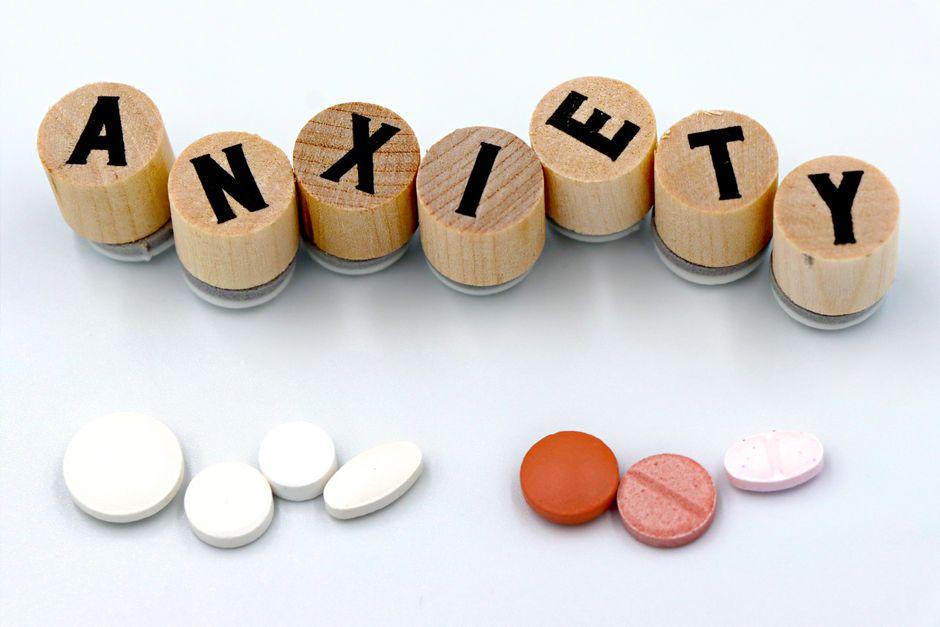
Anxiety is more than just feeling stressed. It is a real medical condition that affects millions of people. You can learn to recognize the signs and check in with yourself about what you are feeling. This guide explains common anxiety symptoms and offers practical self-check methods to help you understand your experiences and decide when to seek professional support.
What Does Anxiety Actually Feel Like?
Anxiety affects both your mind and your body. The mental symptoms include constant worry, racing thoughts, and difficulty concentrating. You might feel restless or on edge most of the time. Many people describe it as a feeling that something bad is about to happen, even when there is no clear reason.
Physical symptoms are just as real. Your heart may race, your palms might sweat, and your muscles can feel tense. Some people experience stomach problems, dizziness, or shortness of breath. These physical signs happen because your body’s stress response is stuck in the “on” position.
Anxiety is different from normal worry. Everyone worries sometimes. But anxiety becomes a problem when it is intense, frequent, and interferes with your daily life. If you are avoiding normal activities because of fear or worry, that is a sign the anxiety may have crossed a line.
Do You Have Anxiety Symptoms And Self Checks?
Self-checks are a useful first step, but they are not a diagnosis. You can ask yourself a few honest questions to get a clearer picture of what you are experiencing. These questions help you notice patterns that might otherwise slip past you.
- Do you worry excessively about multiple things on most days?
- Do you find it hard to control your worry once it starts?
- Do you feel restless, keyed up, or on edge more days than not?
- Do you avoid situations because they make you anxious?
- Have these feelings lasted for six months or longer?
- Do physical symptoms like a racing heart or tense muscles happen alongside your worry?
If you answered yes to several of these, anxiety may be part of your life right now. This is not a formal medical test. But it gives you a starting point for talking with a doctor or mental health professional. They can do a proper assessment and determine whether you meet the criteria for an anxiety disorder.
The Difference Between Normal Worry and an Anxiety Disorder
Normal worry is tied to a real problem. You worry about a job interview, a medical test result, or paying a bill. Once the situation resolves, the worry fades. This type of worry is temporary and does not take over your life.
An anxiety disorder is different. The worry is out of proportion to the actual situation. It persists even when things are going well. The fear and avoidance can become so strong that they limit your work, relationships, and daily routines.
Generalized anxiety disorder is one common type. People with this condition experience excessive worry about many different topics — health, money, family, work — often simultaneously. Panic disorder involves sudden, intense episodes of fear called panic attacks. Social anxiety disorder centers on intense fear of being judged or embarrassed in social situations.
These are distinct conditions with specific diagnostic criteria. A mental health professional can tell the difference and recommend the right treatment approach.


Physical Symptoms You Should Not Ignore
Anxiety has a direct effect on your body. The physical symptoms can be alarming, especially if you do not know what is causing them. Common physical signs include a rapid heartbeat, chest tightness, sweating, trembling, and shortness of breath. You might also notice fatigue, trouble sleeping, or changes in your appetite.
Some people experience headaches, muscle aches, or jaw clenching without realizing these are linked to anxiety. The body holds tension in ways you may not notice until you actively relax. Digestive issues like nausea, diarrhea, or stomach pain are also common because the gut is highly sensitive to stress signals.
These physical symptoms can mimic other medical conditions. Chest pain and shortness of breath are also signs of heart problems. If you experience these symptoms for the first time or they feel severe, see a doctor to rule out other causes. Do not assume it is “just anxiety” without checking.
When Self-Check Tools Are Useful and When They Are Not
Online screening tools and questionnaires can help you organize your thoughts. Many are based on established clinical scales like the Generalized Anxiety Disorder 7-item scale, often called GAD-7. These tools ask about your symptoms over the past two weeks and give you a score that suggests whether your symptoms are mild, moderate, or severe.
These tools are screening aids, not diagnostic instruments. They cannot tell you whether you have an anxiety disorder. Only a qualified clinician can make that determination. But they can help you communicate more clearly with your doctor about what you are experiencing.
Some online quizzes are not based on any real evidence. They are designed to capture your attention or sell you something. Before you trust any self-check tool, look for one that is transparent about its source and based on established clinical research.
Simple Daily Practices That Can Help You Manage Anxiety
Several daily habits can help reduce anxiety symptoms. Regular physical activity is one of the most effective. Exercise releases endorphins, improves sleep, and gives your mind a break from worry. Even a daily 20-minute walk can make a difference.
Breathing exercises can calm your nervous system in moments of high anxiety. A simple technique is to breathe in slowly through your nose for a count of four, hold for a moment, then exhale slowly through your mouth. Repeating this for a few minutes can help slow your heart rate and reduce tension.
Limiting caffeine and alcohol matters more than many people realize. Caffeine can trigger or worsen anxiety symptoms. Alcohol may relax you temporarily but often increases anxiety as it wears off. Pay attention to how these substances affect your mood and energy.
Sleep is essential. Poor sleep makes anxiety worse, and anxiety makes sleep harder. Try to keep a consistent sleep schedule, even on weekends. Avoid screens for an hour before bed, and keep your bedroom cool and dark.
When to See a Professional
If your anxiety is interfering with your daily life, it is time to seek help. This includes difficulty working, maintaining relationships, or doing basic tasks. If you are avoiding situations because of fear, that is a strong signal to reach out.
See a doctor first to rule out medical causes. Thyroid problems, heart conditions, and certain vitamin deficiencies can produce anxiety-like symptoms. Once those are ruled out, a mental health professional can assess you properly.
Treatment for anxiety is effective. Cognitive behavioral therapy, often called CBT, has strong evidence behind it. It helps you identify and change unhelpful thought patterns and behaviors. Some people also benefit from medication, which a psychiatrist or doctor can prescribe.
If you have thoughts of harming yourself, seek help immediately. Call or text the Suicide and Crisis Lifeline at 988 in the United States. This service is free, confidential, and available 24 hours a day.
Frequently Asked Questions
Can I diagnose myself with anxiety?
No, only a qualified healthcare professional can diagnose an anxiety disorder. Self-checks can help you notice symptoms and prepare for a professional evaluation, but they cannot replace a clinical assessment.
How long do anxiety symptoms need to last before I should worry?
Most clinical guidelines suggest symptoms lasting six months or longer may indicate an anxiety disorder. If symptoms are severe or interfering with daily life, seek help sooner rather than waiting.
What is the best self-check tool for anxiety?
The GAD-7 is a widely used and validated screening tool that asks seven questions about your symptoms over the past two weeks. It is available online and is often used in medical settings to guide conversations about anxiety.
Can anxiety cause physical symptoms that feel like a heart attack?
Yes, panic attacks can cause chest pain, a racing heart, and shortness of breath that mimic heart attack symptoms. Any new or severe chest pain should be evaluated by a doctor to rule out cardiac causes.
