
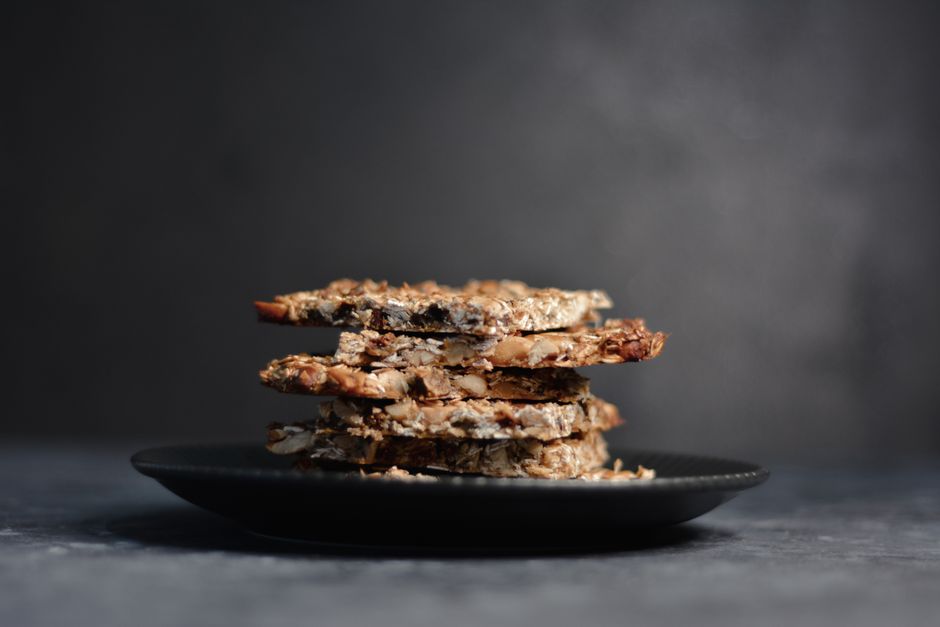
Gluten-free snacks are foods and packaged products made without wheat, barley, rye, or their close relatives — and without ingredients derived from them. Fresh fruit, vegetables, plain nuts, cheese, and plain yogurt are naturally gluten free. Packaged snacks need a label check, because gluten can hide in flavorings, thickeners, and cross-contamination during processing.
The tricky part is not the obvious foods. It is the sauces, seasonings, and shared equipment that turn a naturally gluten-free food into a risky one. For anyone with celiac disease or a wheat allergy, even small amounts of gluten matter. For everyone else, a gluten-free snack is simply a snack — not a health upgrade.
What Snacks Are Gluten Free?
Naturally gluten-free snacks come from foods that never contained gluten in the first place. That list is longer than most people expect.
- Fresh fruit: apples, bananas, oranges, berries, grapes
- Fresh vegetables: carrots, celery, peppers, cucumber, cherry tomatoes
- Plain nuts and seeds: almonds, walnuts, peanuts, pumpkin seeds, sunflower seeds
- Cheese: hard cheeses, string cheese, cream cheese
- Plain yogurt and cottage cheese
- Eggs, including hard-boiled
- Popcorn: plain or lightly salted, not flavored varieties
- Rice cakes and plain rice crackers
- Hummus and most bean dips
- Olives and pickles
- Dark chocolate, depending on the brand
These foods do not require a gluten-free label because they never contained gluten. But processing and packaging can change that. A bag of almonds roasted in a facility that also processes wheat flour may carry a warning about shared equipment. Flavored popcorn might use a seasoning blend with malt extract, which comes from barley.
The word “wheat-free” is not the same as “gluten-free.” A product can be wheat-free and still contain barley or rye. This is one of the most common points of confusion, and it matters most for people managing celiac disease.
Which Packaged Snacks Usually Contain Gluten?
Most conventional crackers, pretzels, cookies, and granola bars contain wheat flour, which means they contain gluten. That is not surprising. What catches people off guard is how many snacks contain gluten in forms they would not recognize on a label.
Common hidden sources include:
- Malt — usually made from barley, found in malt vinegar, malted milk, and some cereals
- Modified food starch — can be wheat-based, though in the US it is often corn
- Soy sauce — traditionally brewed with wheat
- Seasoning blends — used on chips and flavored nuts
- Hydrolyzed vegetable protein — may be derived from wheat
- Communion wafers and some candies — often wheat-based
In the United States, wheat is one of the major allergens that must be declared on food labels under the Food Allergen Labeling and Consumer Protection Act. Barley and rye are not on that list. So a product can legally contain barley malt without the word “wheat” appearing anywhere on the package. That is why reading the full ingredient list matters, not just the allergen statement.
What Does “Gluten-Free” Mean on a Label?
In the US, a food labeled gluten-free must contain less than 20 parts per million of gluten. That threshold was set by the FDA in 2013 and reflects the lowest level that current testing methods can reliably detect. It is not a claim that the food contains zero gluten.
The 20 ppm standard was developed with input from celiac disease researchers. Studies at the time suggested most people with celiac disease could tolerate that level without measurable intestinal damage, though individual sensitivity varies. Some people react to smaller amounts. The threshold is a practical regulatory line, not a guarantee of safety for every person.
Products labeled “certified gluten-free” by third-party organizations often test to stricter standards, sometimes below 10 ppm. These certifications are voluntary. They are not required by law, and their absence does not mean a product contains gluten.




How Do You Check a Snack for Gluten?
Read the ingredient list first, then check for a gluten-free label, then look for a cross-contamination warning. That order works because the ingredient list tells you what is intentionally in the food, while the label and warning tell you about risk from processing.
Ingredients to scan for:
- Wheat, including spelt, farro, durum, semolina, and farina
- Barley, including malt and malt extract
- Rye
- Triticale
- Brewer’s yeast, which is often a byproduct of beer production
Oats deserve their own mention. Oats are naturally gluten free, but they are frequently grown and processed alongside wheat, barley, or rye. Unless oats are labeled gluten-free, cross-contamination is a real concern. Most major celiac organizations recommend only certified gluten-free oats.
Statements like “may contain wheat” or “processed in a facility that also handles wheat” are voluntary. Their absence does not mean a product is safe. Their presence does not automatically mean it is unsafe either — it means the manufacturer cannot rule out cross-contact. For someone with celiac disease, that uncertainty is usually enough to choose a different snack.
Are Gluten-Free Snacks Healthier?
No. There is no evidence that a gluten-free diet benefits people who do not have celiac disease, a wheat allergy, or another diagnosed gluten-related condition. This is one of the clearest findings in the research, and it runs against a lot of marketing.
Gluten-free packaged snacks are often made with refined flours like white rice flour, potato starch, and tapioca starch. These ingredients can be lower in fiber and protein than their wheat-based counterparts. Some products add extra sugar, fat, or salt to compensate for texture. A gluten-free cookie is still a cookie.
People who need to avoid gluten for medical reasons should work with a dietitian familiar with celiac disease. A gluten-free diet that relies on packaged substitutes can end up missing key nutrients, including fiber, iron, and certain B vitamins that wheat products typically provide.
What About Cross-Contamination at Home?
Cross-contamination is a bigger issue than most people realize. A shared toaster, a cutting board used for both regular bread and gluten-free bread, or a knife dipped into a jar of peanut butter after touching a sandwich can transfer enough gluten to matter for someone with celiac disease.
Practical steps that help:
- Use a separate toaster or toaster bag for gluten-free bread
- Keep a dedicated cutting board and utensils
- Use squeeze bottles instead of jars for condiments when possible
- Wash hands and surfaces before preparing gluten-free food
- Store gluten-free products on a separate shelf or in sealed containers
These steps are widely recommended by celiac disease organizations. The evidence for how much cross-contamination triggers symptoms in any individual is limited, because sensitivity varies. But the general principle — that small amounts add up over time — is well accepted in clinical practice.
Which Snacks Work for Kids and Travel?
Snacks that travel well and are naturally gluten free include string cheese, hard-boiled eggs, individual packs of nuts, fruit leather made without added wheat-based ingredients, and plain rice cakes. Fresh fruit and cut vegetables work if you have a cooler.
For kids, the challenge is often social rather than nutritional. Birthday parties, school events, and sports games tend to feature gluten-containing snacks. Packing a similar-looking gluten-free option can help a child feel included rather than singled out.
Airports and convenience stores are harder. Options are limited, and staff may not know what is in a product. A useful habit is to carry a few shelf-stable gluten-free snacks in a bag, so you are not relying on what happens to be available.
One note on restaurant snacks: fried foods are a common source of cross-contamination because fryers are often shared with breaded items. This applies to tortilla chips, french fries, and similar foods. Some restaurants use dedicated fryers, but you usually have to ask.
Frequently Asked Questions
Are potato chips gluten free?
Plain potato chips are usually gluten free, but flavored varieties often contain wheat-derived seasonings or malt. Always check the ingredient list and look for a gluten-free label on flavored chips.
Is popcorn gluten free?
Plain popcorn is naturally gluten free, including most microwave and air-popped varieties. Flavored or coated popcorn may contain gluten from seasonings, so check the label.
Are rice cakes gluten free?
Plain rice cakes are typically gluten free because they are made from rice. Flavored varieties may contain malt or other gluten-containing ingredients, so read the label carefully.
Is oatmeal a gluten-free snack?
Oats are naturally gluten free, but most conventional oats are processed alongside wheat, barley, or rye. Only oats labeled gluten-free are considered safe for people with celiac disease.
