
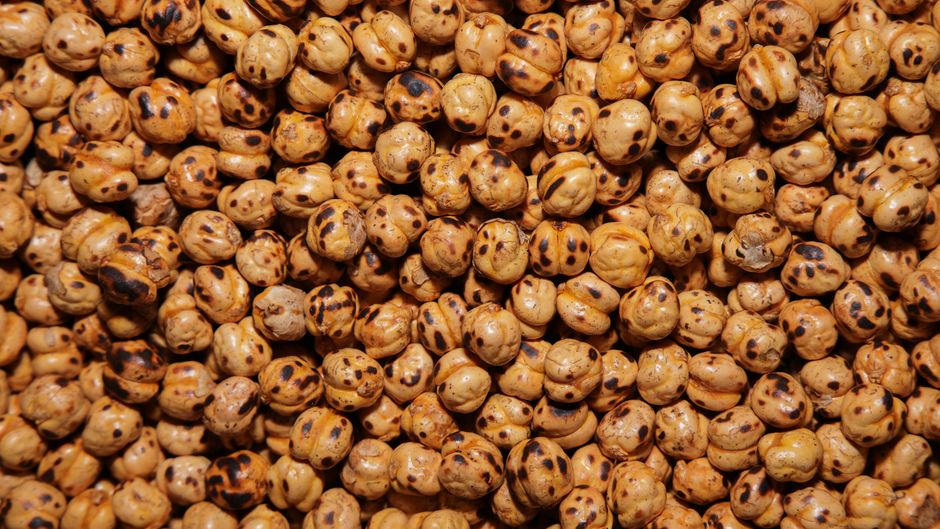
Garbanzo beans, also called chickpeas, are naturally gluten free. They are a legume, not a grain, and they do not contain gluten proteins. For most people with celiac disease or gluten sensitivity, plain garbanzo beans are completely safe to eat. The real concern is not the bean itself, but what happens to it after harvest, during processing, and in the kitchen.
Are Garbanzo Beans Gluten Free by Nature?
Yes. Gluten is a group of proteins found in wheat, barley, and rye. Garbanzo beans do not belong to these grain families. They are seeds from the Cicer arietinum plant, a member of the legume family alongside lentils, peas, and soybeans.
Because gluten is not part of their biological makeup, a raw, plain garbanzo bean contains zero gluten. This is true for dried beans you buy in bulk or in bags. It is also true for canned beans that list only beans, water, and salt as ingredients.
The confusion happens because garbanzo beans are often processed in facilities that also handle wheat. Cross-contact during growing, harvesting, transporting, or packaging can introduce gluten to an otherwise safe food.
When Garbanzo Beans Are Not Gluten Free
Cross-contact is the main risk. Many grain elevators and processing plants handle multiple crops. Wheat is often harvested and stored in the same facilities as other grains and legumes. This means trace amounts of wheat can end up in a bag of dried garbanzo beans.
Flour is another issue. Some brands grind garbanzo beans into flour. If that flour is produced in a facility that also mills wheat flour, the risk of contamination is real. Wheat flour is extremely fine and can linger in processing equipment for a long time.
Prepared foods are the biggest concern. Hummus, falafel, and chickpea-based snacks often contain additional ingredients. Some of those ingredients — like wheat flour used as a binder in falafel or as a coating on roasted chickpeas — contain gluten directly. Always read the full ingredient list, not just the main ingredient.
How to Choose Safe Garbanzo Beans
Check the label for a gluten free certification. This is the most reliable way to know a product has been tested and meets strict standards. In the United States, the FDA requires that foods labeled gluten free contain less than 20 parts per million of gluten. This threshold is well established and is considered safe for most people with celiac disease.
If a product does not carry a gluten free label, look for a statement about shared equipment or shared facilities. Many manufacturers voluntarily list this information. If the label says “may contain wheat” or “processed in a facility that also processes wheat,” treat it as a risk.
For dried beans purchased in bulk bins, the risk is higher. Bulk bins are shared between many products, and scoops can transfer residue between bins. If you are highly sensitive, choose packaged beans from brands that verify their gluten free status.
Washing dried beans at home does not reliably remove gluten contamination. Rinsing removes dirt and debris, but it will not remove gluten proteins that may be present from cross-contact during processing. Do not rely on washing as a safety measure.


Gluten Free Garbanzo Bean Products You Can Trust
Several common garbanzo bean products are safe when you choose the right brand:
- Canned chickpeas — Safe when the label lists only chickpeas, water, and salt. Many major brands are labeled gluten free.
- Dried chickpeas — Safe when the package carries a gluten free certification or the brand verifies testing.
- Chickpea flour (besan) — Safe only when labeled gluten free. Unlabeled chickpea flour from ethnic markets carries a higher contamination risk.
- Hummus — Most commercial hummus is gluten free, but always check. Some flavored varieties include soy sauce, which often contains wheat.
- Roasted chickpea snacks — Check the coating. Many use wheat flour or maltodextrin derived from wheat, though maltodextrin in the US is typically gluten free.
When in doubt, contact the manufacturer. Reputable companies can tell you whether their product is tested for gluten and what their cross-contact protocols are.
Gluten Free Cooking and Cross-Contact at Home
Even if your garbanzo beans are gluten free, your kitchen can make them unsafe. Shared cooking equipment is a common source of cross-contact for people with celiac disease.
Pots, strainers, and colanders can retain gluten residue even after washing. Porous materials like wooden spoons and scratched nonstick pans are particularly risky. If you share a kitchen with someone who eats gluten, consider dedicated gluten free cooking tools or thoroughly wash shared items before each use.
Frying oil is another hidden risk. If you fry falafel or other chickpea dishes in oil that was previously used for breaded items, gluten transfers into the oil. Always use fresh oil for gluten free frying.
Toasting and baking surfaces matter too. A toaster oven or baking sheet used for bread can leave crumbs that contaminate your chickpea-based baked goods. Use separate equipment or line surfaces with parchment paper.
Nutritional Profile of Garbanzo Beans
Garbanzo beans are a nutrient-dense food. A one-cup serving of cooked chickpeas provides about 269 calories, 14.5 grams of protein, and 12.5 grams of fiber. They are also a good source of folate, iron, magnesium, and potassium.
The fiber and protein content makes them a popular choice for people following gluten free diets. Many gluten free products are low in fiber because they rely on refined starches like rice flour and potato starch. Adding garbanzo beans to your meals can help close that nutritional gap.
Garbanzo beans have a low glycemic index, meaning they do not cause rapid spikes in blood sugar. This makes them a useful food for people managing diabetes, though individual responses vary.
Are Garbanzo Beans Safe for Celiac Disease?
For most people with celiac disease, yes. The gluten free labeling rules in the US provide a legal standard. Products labeled gluten free must contain less than 20 ppm of gluten, a level that clinical guidelines consider safe for the vast majority of people with celiac disease.
However, a small percentage of people with celiac disease remain sensitive even at very low levels. If you are one of these individuals, you may need to be more cautious. Choose brands that test each batch and have strict allergen control programs.
Some research has raised questions about cross-reactivity between legumes and gluten. This is a debated topic with limited evidence. No large clinical studies have confirmed that garbanzo beans trigger an immune response in people with celiac disease. The current consensus is that legumes are safe for the gluten free diet.
Garbanzo Beans vs. Other Gluten Free Grains
Garbanzo beans are not a grain. They are a legume. This distinction matters for people who need to avoid grains for other medical reasons, such as those following a paleo or specific carbohydrate diet.
Compared to gluten free grains like rice, quinoa, and millet, garbanzo beans offer more protein and fiber per serving. They also contain resistant starch, which feeds beneficial gut bacteria. This makes them a valuable addition to a gluten free diet that may otherwise lack these nutrients.
One downside is that garbanzo beans contain oligosaccharides, a type of carbohydrate that can cause gas and bloating. This is not related to gluten. Some people tolerate them better after soaking dried beans overnight or using canned beans, which are pre-cooked and lower in these compounds.
Common Questions About Garbanzo Beans and Gluten
Frequently Asked Questions
Can I eat canned chickpeas on a gluten free diet?
Yes, if the label says gluten free or lists only chickpeas, water, and salt. Plain canned chickpeas are naturally gluten free.
Is chickpea flour gluten free?
Chickpea flour is naturally gluten free, but only buy it if the package is labeled gluten free. Unlabeled flour from bulk bins or ethnic markets may be contaminated with wheat flour.
Is hummus gluten free?
Most plain hummus is gluten free, but flavored varieties may contain gluten from ingredients like soy sauce or wheat-based thickeners. Always check the ingredient list.
Can cross-contact make garbanzo beans unsafe?
Yes. Garbanzo beans can pick up gluten during harvesting, processing, or packaging if they share equipment with wheat. Choose certified gluten free brands if you are highly sensitive.
Garbanzo beans are a safe, nutritious choice for most people avoiding gluten. The key is to read labels carefully, choose certified products when possible, and manage cross-contact in your own kitchen. When you do that, chickpeas can be a reliable staple in a gluten free diet.
