
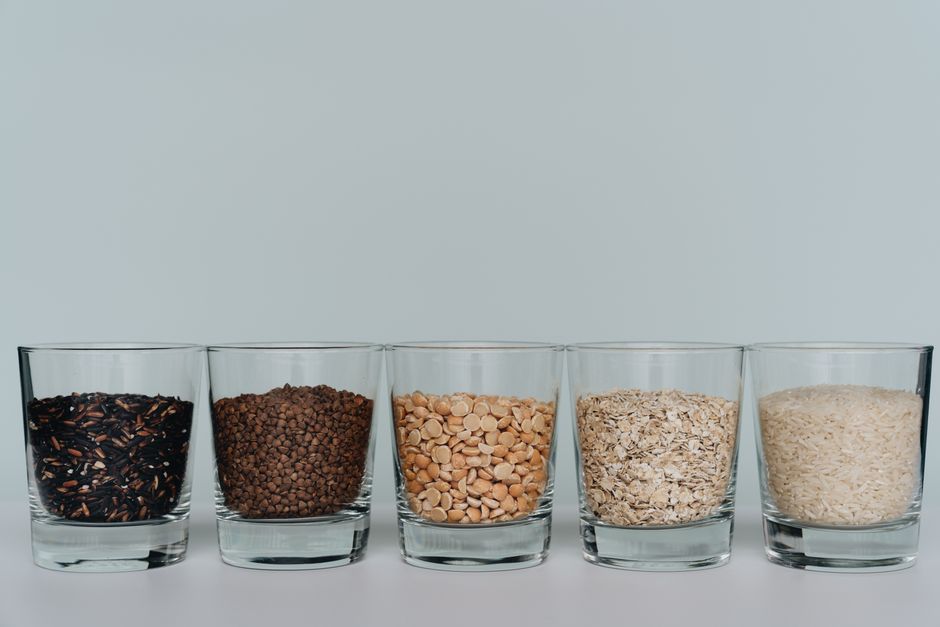
Rice is naturally gluten-free. All varieties of plain rice — white, brown, jasmine, basmati, wild, and others — come from the Oryza sativa or Oryza glaberrima plant, neither of which contains the proteins that make up gluten. For people with celiac disease or non-celiac gluten sensitivity, plain rice is safe to eat. The real concern is not the rice itself but what happens to it before it reaches your plate.
What Is Gluten and Why Does It Matter?
Gluten is a group of storage proteins found in specific grains. The two main proteins are gliadin and glutenin, and they are present in wheat, barley, and rye. When flour mixes with water, these proteins form a sticky network that gives bread its chewy texture and helps it rise.
For most people, gluten causes no problems. But for people with celiac disease, eating gluten triggers an immune response that damages the small intestine. Even small amounts can cause symptoms and long-term harm. People with non-celiac gluten sensitivity experience digestive discomfort or other symptoms when they eat gluten, though without the intestinal damage seen in celiac disease.
Because rice does not belong to the same plant family as wheat, barley, or rye, it contains none of these proteins. This is why rice has been a dietary staple for people avoiding gluten for decades.
Does Rice Contain Gluten in Any Form?
Plain rice, in its natural state, contains no gluten. This includes every common variety sold in grocery stores. The grain itself is safe regardless of color, shape, or origin.
What matters is how the rice is processed, packaged, and prepared. Cross-contamination is the main risk. Rice grown, harvested, or processed in facilities that also handle wheat, barley, or rye can pick up gluten particles. This is a real concern, especially for people with celiac disease who must avoid even trace amounts.
Many rice producers now label their products “gluten-free” after testing. The U.S. Food and Drug Administration allows a product to carry this label if it contains less than 20 parts per million of gluten. For most people with celiac disease, this threshold is considered safe based on current evidence.
Which Types of Rice Are Safe?
All plain rice varieties are naturally gluten-free. This includes:
- White rice — long grain, short grain, and medium grain
- Brown rice — retains the bran and germ layers
- Wild rice — technically a different grass species but also gluten-free
- Basmati and jasmine — aromatic varieties from specific regions
- Arborio — the short-grain rice used in risotto
- Black and red rice — pigmented varieties gaining popularity
The color and processing method do not change the gluten content. Brown rice and white rice are equally free of gluten. The difference between them is nutritional, not related to gluten.



What About Rice Products Like Rice Flour and Rice Noodles?
Rice flour is made by grinding plain rice into a powder. In its pure form, it contains no gluten. Many gluten-free baking blends use rice flour as a base ingredient because it behaves similarly to wheat flour in some recipes.
Rice noodles, commonly used in Asian cuisine, are typically made from rice flour and water. Plain rice noodles are gluten-free. However, you must check the ingredient label because some manufacturers add wheat flour or other gluten-containing ingredients to change texture or reduce cost.
Rice crackers, rice cakes, and rice cereals fall into the same category. The rice itself is safe, but added ingredients can introduce gluten. Flavored rice products are a particular concern because seasonings and sauces often contain wheat-derived ingredients like soy sauce, which is made from wheat.
What About Processed Rice Products and Cross-Contamination?
Cross-contamination can happen at several points. A field may rotate between wheat and rice crops. Harvesting equipment may be shared. Storage silos and transport trucks may hold different grains at different times. Processing facilities may grind wheat and rice on the same equipment.
For people with celiac disease, this matters. Studies have found that some rice products purchased from bulk bins or smaller producers contain measurable gluten. The risk is lower with major brands that test their products, but it is never zero.
If you have celiac disease, choose rice products labeled gluten-free. This label means the manufacturer has tested the product and confirmed it falls below the legal threshold. Rinsing rice before cooking does not remove gluten contamination, so do not rely on washing as a safety measure.
Is Rice Safe for People with Celiac Disease?
Yes, rice is safe for people with celiac disease when it is certified gluten-free or confirmed free of cross-contamination. Rice has been a foundational food in gluten-free diets for decades because it is well tolerated and widely available.
Some people with celiac disease worry about rice because they experience symptoms after eating it. This is usually not caused by gluten. Rice can cause digestive symptoms in some people for other reasons, such as resistant starch content, portion size, or an unrelated intolerance. If you consistently react to rice, talk to your doctor about testing for other conditions rather than assuming the rice contains gluten.
There is no evidence that rice proteins trigger the same immune response as gluten in people with celiac disease. Rice is not listed among the grains that must be avoided in any celiac disease management guideline.
Common Myths About Rice and Gluten
Myth: Brown rice contains more gluten than white rice. False. Both are equally gluten-free. The bran and germ layers in brown rice contain fiber, vitamins, and minerals — not gluten.
Myth: Wild rice is not really rice, so it may contain gluten. Wild rice is a different plant species from cultivated rice, but it is still gluten-free. It belongs to the grass family but not the same tribe as wheat.
Myth: Rice vinegar contains gluten. Plain rice vinegar is made from fermented rice and is gluten-free. Some seasoned rice vinegars contain added ingredients, so check the label if you are sensitive.
Myth: Sushi rice is gluten-free. The rice itself is safe, but sushi rice is often seasoned with vinegar, sugar, and salt. Some restaurants add mirin, which may contain wheat. The bigger risk is soy sauce served alongside sushi, which almost always contains wheat.
How to Safely Include Rice in a Gluten-Free Diet
Start with plain rice from a reputable source. Major national brands that label their rice gluten-free have testing protocols in place. Buying rice labeled gluten-free eliminates most of the guesswork.
Be cautious with bulk bins. Scoops are often shared between bins, and the risk of cross-contamination is higher. If you buy from bulk bins, choose a store that keeps gluten-free grains separate and use dedicated scoops.
Check every flavored rice product. Seasoned rice mixes, rice pilaf kits, and microwave rice bowls often contain wheat-based ingredients. Read the ingredient list completely, not just the front label.
In restaurants, ask how the rice is prepared. Some kitchens cook rice in broth that contains wheat, or use the same cooking water for pasta. Plain steamed rice is usually safe, but confirming with staff is reasonable if you have celiac disease.
Frequently Asked Questions
Is white rice gluten-free?
Yes, white rice contains no gluten in its natural form. It becomes a concern only if it is cross-contaminated during processing or mixed with gluten-containing ingredients.
Can people with celiac disease eat rice?
Yes, rice is safe for people with celiac disease when it is certified gluten-free or confirmed free of cross-contamination. Choose labeled gluten-free rice products to minimize risk.
Does brown rice have more gluten than white rice?
No, brown rice and white rice contain the same amount of gluten — none. The bran layer in brown rice adds fiber and nutrients, not gluten.
Is rice flour safe for gluten-free baking?
Pure rice flour is gluten-free and commonly used in gluten-free baking blends. Always verify the label, as some flours may be processed in facilities that handle wheat.
