
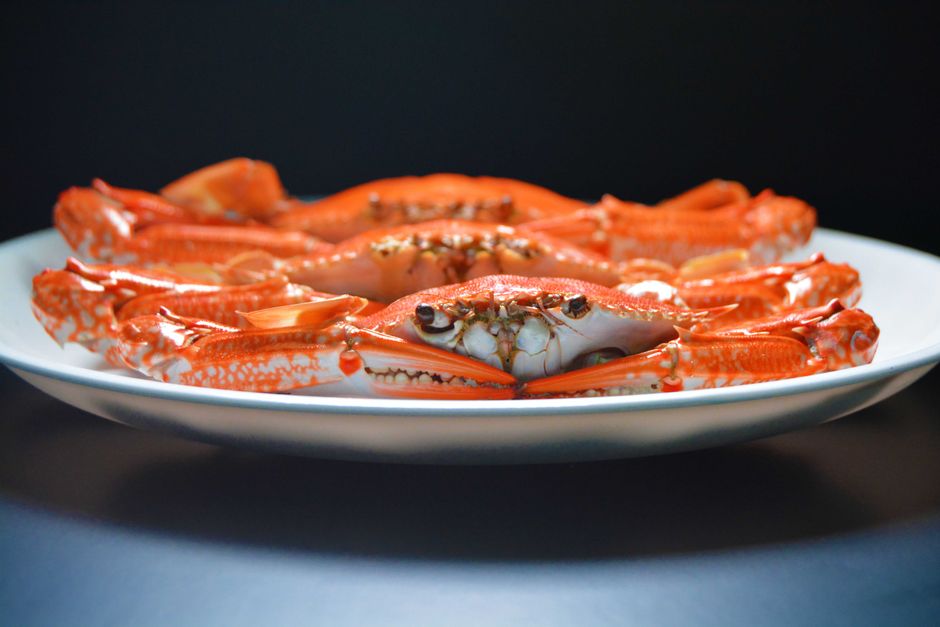
Imitation crab is not reliably gluten free. Most brands contain wheat starch or wheat flour as a binder, which means they contain gluten. If you have celiac disease or a gluten sensitivity, you need to check the label carefully, because some brands are made without wheat and are safe to eat.
What Is Imitation Crab Made Of?
Imitation crab is a processed seafood product. It is also called surimi. The name matters because the ingredients tell the real story.
The base is white fish, usually pollock. The fish is washed, ground into a paste, and mixed with other ingredients. That is where the gluten question begins.
Binders and starches are added to give the product its texture. These binders hold the fish paste together so it can be shaped and cooked. Wheat starch and wheat flour are common choices because they are cheap and work well.
Other ingredients often include water, egg whites, sugar, sorbitol, and vegetable oil. Flavorings are added to mimic the taste of crab, including crab extract or artificial crab flavor.
The gluten comes from the wheat-based binders. Not every brand uses wheat, but many do. This makes label reading essential rather than optional.
Is Imitation Crab Gluten Free?
The direct answer is no, not as a category. Imitation crab is not inherently gluten free because wheat is a standard ingredient in many formulations.
Some manufacturers do make gluten free versions. These products use potato starch, tapioca starch, or cornstarch instead of wheat. They are safe for people who need to avoid gluten.
The problem is that you cannot tell by looking at the product. Two packages can look identical. One contains wheat, the other does not. The only way to know is to read the ingredient list on the package.
If the label says “contains wheat,” the product is not safe. If the label does not list wheat, check for a gluten free certification. Some brands voluntarily test their products and label them gluten free.
Cross-contamination is also a concern. A product made in a facility that processes wheat may contain trace gluten even if wheat is not in the ingredient list. Manufacturers are required to disclose major allergens like wheat on the label, but they are not required to test for gluten cross-contact.
How to Identify Gluten Free Imitation Crab
Reading the ingredient list is the first step. Look for the word “wheat” anywhere in the list. This includes wheat starch, wheat flour, modified wheat starch, and hydrolyzed wheat protein.
Look for a gluten free label. In the United States, the Food and Drug Administration regulates this claim. A product labeled “gluten free” must contain less than 20 parts per million of gluten. That threshold is the standard considered safe for most people with celiac disease.
Check for allergen statements. The label should say “contains wheat” if wheat is an ingredient. If it does not say this, wheat may still be present through cross-contamination, but the risk is lower.
Some brands are known to produce gluten free imitation crab consistently. These brands often market this feature on the package. If you are unsure, contact the manufacturer directly. Most companies have customer service lines that can answer ingredient questions.
Be careful with imitation crab sold in bulk. Bulk bins at grocery stores may not have ingredient labels readily visible. Ask the store staff for the product information sheet before buying.




Cross-Contamination Risks with Imitation Crab
Even when a product is labeled gluten free, cross-contamination can happen after the package is opened. This is a practical concern for people with celiac disease.
Imitation crab is often served at sushi restaurants and buffets. These places may use the same tongs, cutting boards, or prep surfaces for gluten-containing foods. If you are highly sensitive, this shared equipment can be a problem.
At home, the risk is easier to control. Use a clean plate and clean utensils. Do not place imitation crab directly on a counter where flour or breadcrumbs have been. These simple steps reduce the chance of accidental gluten exposure.
Restaurants are a different situation. You cannot control their prep methods. If you order a dish with imitation crab, ask the server whether the product contains wheat and whether it is prepared separately from gluten-containing ingredients.
Gluten Free Alternatives to Imitation Crab
If you want to avoid the uncertainty, real crab meat is naturally gluten free. Fresh crab, canned crab, and frozen crab contain no wheat. They are a safe choice for anyone avoiding gluten.
Real crab is more expensive than imitation crab. That is the main reason people choose the imitation version. If cost is a factor, consider using canned crab for recipes that call for imitation crab, such as crab salad or sushi rolls.
Some brands make gluten free surimi specifically. These products are labeled clearly and tested for gluten content. They are a good middle ground between real crab and standard imitation crab.
Another option is to make your own crab-style salad using cooked white fish. Flake the fish, mix it with mayonnaise and seasonings, and you get a similar texture without any wheat binders. This gives you full control over the ingredients.
Understanding Gluten in Processed Foods
Gluten is a protein found in wheat, barley, and rye. It gives dough its elasticity and helps foods hold their shape. This is why it appears in so many processed foods.
In processed seafood like imitation crab, gluten serves a structural purpose. It binds the fish paste together and helps the final product keep its form. Removing gluten requires a substitute that performs the same function.
Potato starch and tapioca starch are common substitutes. They bind ingredients but do not contain gluten. Products using these starches can still achieve the firm, slightly springy texture of imitation crab.
The challenge for manufacturers is cost and texture. Wheat starch is inexpensive and reliable. Alternative starches can be more expensive and may produce a slightly different texture. This is why many brands stick with wheat.
For people with celiac disease, even small amounts of gluten cause intestinal damage. The 20 parts per million threshold is not a safety limit for everyone. Some people react to lower amounts. If you are newly diagnosed or highly sensitive, choose products labeled gluten free and certified by a third party when possible.
Common Dishes That Hide Imitation Crab
Imitation crab appears in many dishes where you might not expect it. Being able to spot it helps you avoid accidental gluten exposure.
Sushi rolls are the most common source. California rolls almost always contain imitation crab. Some restaurants use real crab, but many do not. Always ask before ordering.
Seafood salads at delis and grocery stores often contain imitation crab. These salads may also contain pasta or other gluten ingredients. Check the ingredient list or ask the deli staff.
Crab cakes and crab dip sometimes use imitation crab. The breadcrumbs in crab cakes are another gluten source. Even if the crab is real, the breading may not be safe.
Buffets are a high-risk setting. Imitation crab may be in salads, appetizers, and hot dishes. Labels are not always present. When in doubt, ask a staff member for ingredient information.
Reading Labels for Hidden Gluten
Wheat is not the only gluten-containing grain. Barley and rye also contain gluten. These grains are less common in imitation crab but can appear in flavorings or sauces.
Look for these words on the label: wheat, barley, rye, malt, and brewer’s yeast. Malt is made from barley and appears in some processed foods. If any of these are present, the product contains gluten.
Modified food starch is a confusing ingredient. In the United States, if modified food starch is made from wheat, the label must say so. If the label just says “modified food starch,” it is usually made from corn or potato and is gluten free.
Natural flavors can also be a source of hidden gluten. The FDA does not require manufacturers to disclose the source of natural flavors. In practice, gluten is rarely used in natural flavors, but it is not impossible.
Hydrolyzed vegetable protein is another ingredient to check. When it is made from wheat, it is called hydrolyzed wheat protein and must be labeled as such. If the label just says hydrolyzed vegetable protein, it is typically made from soy or corn.
Is Imitation Crab Safe for People with Celiac Disease?
For people with celiac disease, the answer depends entirely on the specific product. Some imitation crab is gluten free. Most is not.
The safest approach is to buy only products with a gluten free label. This label means the manufacturer has tested the product and confirmed it meets the FDA standard of less than 20 parts per million of gluten.
Products without a gluten free label are risky. The absence of wheat in the ingredient list is not enough to guarantee safety. Cross-contamination during manufacturing can introduce gluten even when wheat is not a listed ingredient.
If you are eating out, the safest choice is to ask about the specific brand the restaurant uses. Many restaurants cannot answer this question. In that case, choose a different dish or ask for real crab instead.
Frequently Asked Questions
Does all imitation crab contain wheat?
No, not all imitation crab contains wheat. Some brands use potato starch or tapioca starch instead, but you must check the label because wheat is common.
Can I eat imitation crab on a gluten free diet?
You can eat imitation crab on a gluten free diet only if the package is labeled gluten free. Unlabeled products are too risky because most contain wheat-based binders.
Is real crab meat gluten free?
Yes, real crab meat is naturally gluten free. Fresh, canned, and frozen crab contain no wheat, barley, or rye.
Why does imitation crab contain gluten?
Imitation crab contains gluten because wheat starch or wheat flour is used as a binder. These ingredients hold the processed fish paste together and create the firm texture.
