
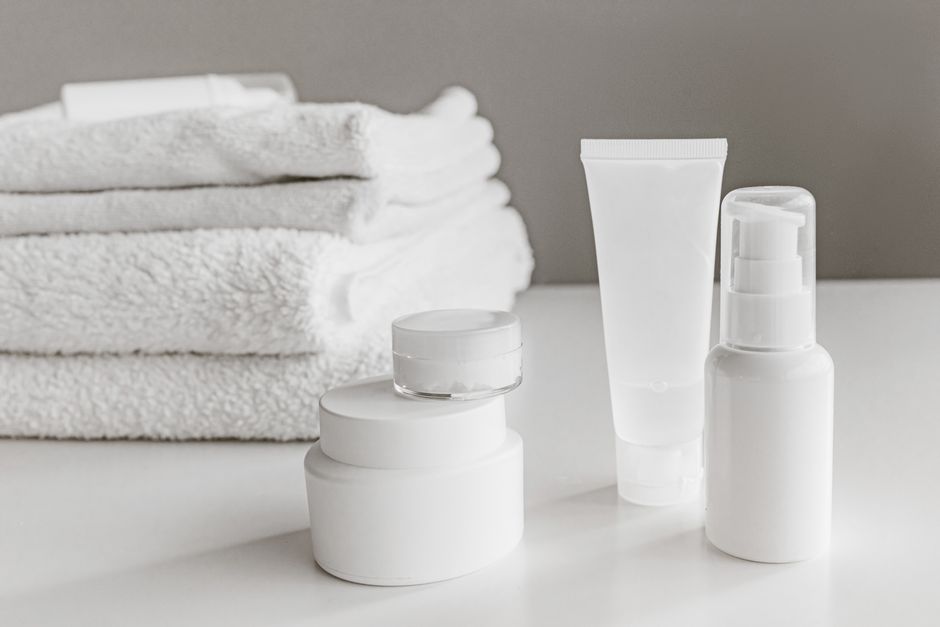
Oily skin can feel like a losing battle. You wash your face, and an hour later the shine is back. The right skincare products can control oil without stripping your skin or making things worse. You should use a gentle foaming cleanser, a lightweight moisturizer, and a salicylic acid treatment. Sunscreen is non-negotiable, even for oily skin. The goal is balance, not dryness, and the products you choose matter more than how often you wash.
What Causes Oily Skin in the First Place?
Your skin has sebaceous glands that produce sebum, which is just the medical term for oil. Sebum keeps your skin moist and protects it from bacteria. Some people produce more sebum than others. Genetics is the biggest factor. If your parents had oily skin, you likely will too.
Hormones also play a major role. Androgens, which are hormones present in both men and women, tell your glands to make more oil. This is why teens get acne and why some women see oilier skin before their period. Stress raises cortisol levels, which can also ramp up oil production. Diet may have some effect, but the evidence is weaker here. Research published in the Journal of the American Academy of Dermatology found that high-glycemic foods might worsen acne in some people, but the link to oiliness alone is not well established.
Climate matters too. Hot and humid weather makes your skin produce more oil. Cold, dry air can temporarily reduce it. None of this means you cannot manage oily skin. It just means you need a routine that works with your biology, not against it.
What Skincare Products Should You Use For Oily Skin?
Start with a cleanser. A gentle foaming or gel-based cleanser with salicylic acid works well. Salicylic acid is a beta hydroxy acid that gets inside pores and clears out excess oil and dead skin cells. The American Academy of Dermatology recommends salicylic acid for oily and acne-prone skin. Avoid harsh sulfate-heavy cleansers that make your skin feel tight. That tight feeling means your skin barrier is damaged, which can trigger even more oil production.
Follow with a moisturizer. This is where many people with oily skin go wrong. They skip moisturizer because they think it will make them oilier. The opposite is true. When you strip oil from your skin, your glands panic and produce more. A lightweight, oil-free, non-comedogenic moisturizer keeps your skin balanced. Look for ingredients like hyaluronic acid, glycerin, or niacinamide. Niacinamide, a form of vitamin B3, has been shown in multiple studies to reduce sebum production over time.
Use a treatment product one to two times per day. Salicylic acid serums or leave-on toners are good options. Retinoids, like adapalene or retinol, are even stronger. They speed up skin cell turnover and reduce oil gland activity. Research in the British Journal of Dermatology shows that retinoids can significantly reduce sebum production after several weeks of use. Start with a low concentration and use it every other night to avoid irritation.
Sunscreen is mandatory. Many sunscreens are now designed for oily skin. Look for “matte finish” or “oil-free” on the label. Zinc oxide and titanium dioxide are physical blockers that sit on top of the skin and do not clog pores. Some chemical sunscreens can feel greasy, but newer formulas with silica or powders work well. The Skin Cancer Foundation states that daily sunscreen use prevents damage regardless of skin type.
| Product Type | Key Ingredients | Why It Works |
|---|---|---|
| Cleanser | Salicylic acid, benzoyl peroxide | Clears pores and reduces surface oil |
| Moisturizer | Niacinamide, hyaluronic acid, glycerin | Hydrates without adding oil |
| Treatment | Retinoids, salicylic acid, azelaic acid | Reduces sebum production over time |
| Sunscreen | Zinc oxide, titanium dioxide, silica | Protects skin without greasiness |
Does What Skincare Products Should You Use For Oily Skin Actually Work?
Yes, but only if you use them consistently and correctly. A single wash with a salicylic acid cleanser will not change your skin. It takes about four to six weeks of daily use to see a real difference. Retinoids take longer, often eight to twelve weeks, before you notice less oil.
Products work best when layered in the right order. Cleanse first, then apply treatment products to clean skin, then moisturize, and finish with sunscreen in the morning. At night, you can skip sunscreen and use a retinoid instead. Do not layer too many active ingredients at once. Using salicylic acid and a retinoid together can cause redness and peeling. Alternate them on different days or use one in the morning and one at night.
Some people report that their skin adjusts and stops being as oily after a few months. That is possible, but not guaranteed. For many, oily skin is a lifelong trait. The products manage it, but they do not cure it. If you stop using them, the oil will return.




What Are the Side Effects of Products for Oily Skin?
Irritation is the most common side effect. Salicylic acid and retinoids can cause redness, peeling, and stinging, especially when you first start using them. This is normal and usually fades after two weeks. If it does not, you are using too much or too often. Back off to every other day and see if your skin calms down.
Benzoyl peroxide, another common ingredient in acne and oil products, can bleach fabrics. It works by killing bacteria and drying out oil, but it can also cause significant dryness. Some people develop contact dermatitis from it. Patch test any new product on your inner arm before putting it on your face.
Overusing products is a real problem. More is not better. Applying multiple drying agents at once can wreck your skin barrier. Signs of a damaged barrier include persistent redness, stinging when applying moisturizer, and a rough texture. If this happens, stop all active ingredients for a week and use only a gentle cleanser and a simple moisturizer. Let your skin heal before reintroducing products one at a time.
Some sunscreens can cause breakouts in people with oily skin. This is usually due to specific chemical filters like oxybenzone or avobenzone. Switching to a mineral sunscreen with zinc oxide often solves this. The American Academy of Dermatology notes that mineral sunscreens are less likely to clog pores.
What Ingredients Should You Avoid for Oily Skin?
Avoid heavy oils and butters. Coconut oil, cocoa butter, and shea butter are highly comedogenic, meaning they block pores. They can make oily skin worse and trigger acne. Some people with oily skin can tolerate them, but it is not worth the risk if you are already prone to breakouts.
Alcohol-based toners are another problem. Denatured alcohol, SD alcohol, and isopropyl alcohol feel good at first because they dry out oil quickly. But they damage your skin barrier and cause rebound oiliness. Your skin produces even more oil to compensate for the dryness. Stick to alcohol-free formulas.
Fragrance and essential oils can irritate oily skin. Many people assume natural ingredients are safer, but lavender oil, peppermint oil, and citrus oils are common irritants. Irritation triggers inflammation, which can make oil glands more active. The National Eczema Association lists fragrance as a top irritant for sensitive skin, and oily skin is often sensitive underneath the shine.
Silicones like dimethicone are debated. They are not inherently bad. They create a smooth layer on top of the skin and do not clog pores for most people. But some individuals report that silicones trap oil and lead to breakouts. If you notice this, try silicone-free products for a few weeks and see if your skin improves.
Common Misconceptions About Oily Skin Care
One common myth is that you should wash your face multiple times a day. Washing more than twice a day strips your skin and causes more oil. Stick to morning and night. If you feel oily midday, use a blotting paper or a mattifying powder instead of washing.
Another myth is that oily skin does not need moisturizer. This is false. Every skin type needs hydration. The key is choosing the right moisturizer. Gel-based or water-based formulas work best. Creams with heavy oils are the ones to skip.
Some people believe that skipping sunscreen helps reduce oil. It does not. Sun damage thickens the outer layer of skin and can make pores look larger. Sunscreen protects your skin and helps it stay healthy. Modern sunscreens for oily skin are lightweight and absorb quickly. There is no excuse to skip it.
A final misconception is that diet alone can fix oily skin. While avoiding high-sugar foods may help some people, the evidence is not strong enough to recommend a specific diet for oil control. The most effective approach is a consistent skincare routine with proven ingredients.
How to Build a Simple Routine for Oily Skin
Keep it simple. A three-step morning routine and a three-step evening routine are enough. Morning: cleanse, moisturize, apply sunscreen. Evening: cleanse, apply treatment, moisturize. That is it. Do not add more products unless you have a specific concern your current routine does not address.
Introduce new products one at a time. Use a new cleanser for two weeks before adding a treatment. This way, if something irritates your skin, you know exactly what caused it. Patch testing every product before full use is a good habit.
Stick with a product for at least four weeks before deciding it does not work. Skin turnover takes time. Many people give up on a product after a week because they do not see results. That is too soon. Give your skin a fair chance to respond.
If your skin does not improve after three months of consistent use, see a dermatologist. Prescription treatments like oral medications or stronger topical retinoids may be needed. A dermatologist can also check if your “oily skin” is actually a different condition, like seborrheic dermatitis or rosacea, which requires different treatment.
Frequently Asked Questions
Can I use toner for oily skin?
Yes, but choose an alcohol-free toner with salicylic acid or niacinamide. Harsh astringent toners with alcohol can dry out your skin and increase oil production.
How often should I exfoliate oily skin?
Two to three times per week is enough. Over-exfoliating damages your skin barrier and can make oiliness worse. Use chemical exfoliants like salicylic acid instead of physical scrubs.
Is it okay to use oil-based cleansers on oily skin?
Yes, oil-based cleansers can actually help dissolve excess sebum without stripping your skin. Just make sure to double cleanse and follow with a water-based cleanser to remove all residue.
Do mattifying products really work for oily skin?
They work temporarily by absorbing surface oil. Look for products with silica or clay. They are a good option for midday touch-ups but do not replace a proper skincare routine.
