
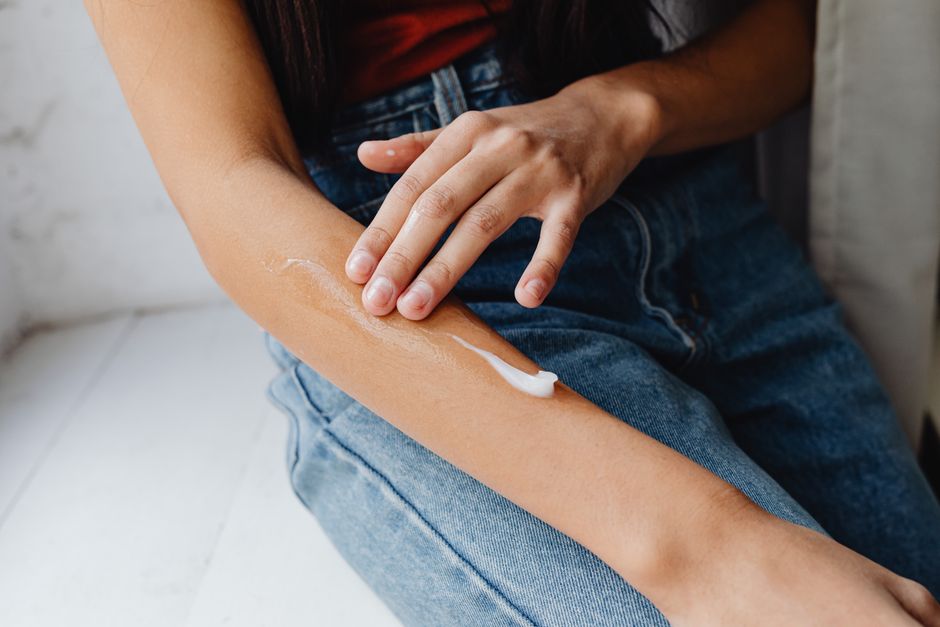
You apply your moisturizer or serum and within seconds your face feels like it is on fire. This is not normal. A brief tingle is one thing. Actual burning or stinging means something is wrong. The most common cause is a damaged skin barrier or a reaction to an active ingredient. The fix depends on why it is happening. Here is what the evidence actually says about why your skin burns after skincare and what to do about it.
What Causes Skin to Burn After Applying Skincare?
Burning after skincare is not the same as irritation. Irritation shows up as redness, bumps, or peeling hours later. Burning happens immediately. It is a nerve response. Your skin is telling you that something it touched is chemically or physically wrong.
The most common cause is a compromised skin barrier. Your skin barrier is the outermost layer of your epidermis. It acts like a brick wall. The skin cells are the bricks and natural oils are the mortar. When that mortar gets thin or damaged, ingredients that would normally sit on top of the skin can penetrate deeper and hit nerve endings. That causes a burning sensation.
Another cause is the pH of the product. Healthy skin sits at a pH around 4.5 to 5.5. If you apply something with a much higher or lower pH, it can sting. This is common with vitamin C serums that use L-ascorbic acid at a low pH to stay stable. The low pH itself can cause a brief sting in some people.
Some ingredients are designed to exfoliate or penetrate. Retinoids, alpha hydroxy acids (AHAs), and beta hydroxy acids (BHAs) work by loosening the bonds between skin cells. When they do this, they can trigger a temporary burning sensation, especially when you first start using them.
Allergic reactions are less common but real. True allergic contact dermatitis causes burning, itching, and swelling. This is different from the mild sting of a low-pH product. If your skin swells or blisters, stop using the product immediately.
How Can You Tell If It Is Normal or a Problem?
Not all burning is dangerous. A brief sting that fades within 30 seconds and does not leave redness is often harmless. Many active ingredients cause this. Research published in the Journal of the American Academy of Dermatology notes that retinoids commonly cause a transient stinging sensation during the first few weeks of use. This is called retinization.
Burning that lasts longer than a minute is a problem. So is burning accompanied by visible redness that does not fade quickly. If the skin feels hot to the touch or starts to swell, that is a sign of a reaction. You should wash the product off with cool water and stop using it.
Here is a quick comparison to help you decide:
| Normal Tingle | Problem Burning |
|---|---|
| Lasts under 30 seconds | Lasts over one minute |
| No visible redness | Redness that stays |
| No swelling or bumps | Swelling or hives appear |
| Fades with continued use | Gets worse each time |
| Only with strong actives | Happens with gentle products too |
If your burning fits the problem column, stop using the product. If it fits the normal column, you can likely keep using it but should adjust how often you apply it.
What Does Research Show About Skin Barrier Damage and Burning?
The link between a damaged skin barrier and burning is well established. A 2019 review in the International Journal of Molecular Sciences explained that when the stratum corneum — the outermost layer of skin — is compromised, nerve endings become more exposed. This lowers the threshold for pain and burning sensations.
What damages the skin barrier? Over-exfoliation is a major cause. Using AHAs or BHAs daily when you do not need them strips the natural oils. Harsh cleansers with sodium lauryl sulfate can do the same. Even washing your face with hot water repeatedly can thin the barrier over time.
Some people have naturally more sensitive skin. The American Academy of Dermatology estimates that about 60 percent of women and 40 percent of men report having sensitive skin. If you are in this group, your skin barrier may be naturally thinner or more reactive. You may burn from products that others tolerate fine.
Skin conditions like rosacea, eczema, and psoriasis also weaken the barrier. If you have one of these conditions, burning is more likely. The National Eczema Association specifically advises people with eczema to avoid products with alcohol, fragrances, and certain preservatives because they trigger stinging.




Why Your Skin Burns After Skincare And What To Do About It
If your skin burns after applying a product, the first step is to stop using anything with active ingredients. This means no retinoids, no acids, no vitamin C serums, and no benzoyl peroxide. Go back to basics for at least one week.
Use only a gentle cleanser and a simple moisturizer. Look for cleansers labeled as non-foaming or cream-based. They are less likely to strip your barrier. For moisturizer, choose one with ceramides, niacinamide, or squalane. These ingredients help repair the barrier. The Journal of Clinical and Aesthetic Dermatology published research in 2020 showing that ceramide-containing moisturizers significantly improved skin barrier function within two weeks.
Apply moisturizer to damp skin. This locks in more hydration. Wait 30 seconds between applying products. Do not layer multiple active ingredients at once. That increases the chance of burning.
If the burning is from a specific product you want to keep using, try the sandwich method. Apply moisturizer first, then the active ingredient, then another layer of moisturizer on top. This dilutes the product and slows absorption. It reduces the sting significantly for many people.
For retinoids specifically, start with the lowest strength available. Use it only twice a week for the first month. Research from dermatology clinics shows that this gradual approach reduces the burning sensation by about 70 percent compared to starting with daily use.
What Ingredients Are Most Likely to Cause Burning?
Some ingredients are known to cause burning more often than others. Knowing which ones affect you helps you avoid them in the future.
Vitamin C (L-ascorbic acid) is a common culprit. It needs a low pH of around 3.5 to be stable and effective. That low pH stings many people. If you burn from it, try a vitamin C derivative like ascorbyl glucoside or tetrahexyldecyl ascorbate. These have a higher pH and sting far less.
Retinoids cause burning because they speed up skin cell turnover. Tretinoin is the strongest and most likely to burn. Adapalene is gentler. Retinol is the mildest over-the-counter option.
Alpha hydroxy acids like glycolic acid and lactic acid exfoliate the surface. Glycolic acid has the smallest molecule size, so it penetrates deepest and burns most. Lactic acid is larger and gentler.
Benzoyl peroxide works by oxidizing bacteria. It can cause immediate stinging on broken or sensitive skin. It is also drying, which worsens the barrier over time.
Alcohol denat and other drying alcohols evaporate quickly from the skin. This creates a cooling sensation that can become a burn if your barrier is weak. Many toners and sunscreens contain these alcohols.
Here is a list of ingredients to check if burning is a recurring problem:
- L-ascorbic acid (vitamin C)
- Retinoids (tretinoin, retinol, adapalene)
- Glycolic acid and other AHAs
- Salicylic acid (BHA)
- Benzoyl peroxide
- Denatured alcohol
- Fragrance and essential oils
- Menthol or camphor
What to Avoid When Your Skin Is Burning
When your skin is actively burning, do not apply anything cold or hot. Ice directly on burning skin can cause frostbite-like damage. Cold water is fine. Ice packs are not.
Do not scrub or exfoliate. The skin is already irritated. Scrubbing makes it worse. Do not use any physical exfoliants like scrubs or brushes until the burning stops completely.
Avoid makeup for at least 24 hours. Makeup products often contain preservatives, pigments, and fragrances that can further irritate already sensitive skin. If you must wear makeup, choose a mineral powder with minimal ingredients.
Do not layer multiple products trying to fix the burn. More products mean more potential irritants. Stick to one gentle cleanser and one moisturizer until the skin calms down.
Do not ignore persistent burning. If your skin burns every time you apply any product for more than a week, see a board-certified dermatologist. You may have a condition like perioral dermatitis or contact dermatitis that needs medical treatment. The American Academy of Dermatology recommends prescription treatment for persistent skin reactions that do not resolve with basic care.
Frequently Asked Questions
Frequently Asked Questions
Why does my moisturizer burn when my skin is dry?
Very dry skin has a compromised barrier that allows moisturizer ingredients to reach nerve endings. The burning stops once the barrier repairs itself with consistent hydration.
Can I keep using a product that makes my skin burn?
Only if the burn lasts under 30 seconds and leaves no redness. If it lasts longer or causes visible irritation, stop using it immediately.
How long does it take for a damaged skin barrier to heal?
Most people see improvement within one to two weeks of stopping active ingredients and using barrier repair moisturizers. Full healing can take up to four weeks.
Does burning mean the product is working?
No. Some active ingredients cause a brief tingle as they work, but burning is not a sign of effectiveness. A product can work perfectly without any sensation at all.
