
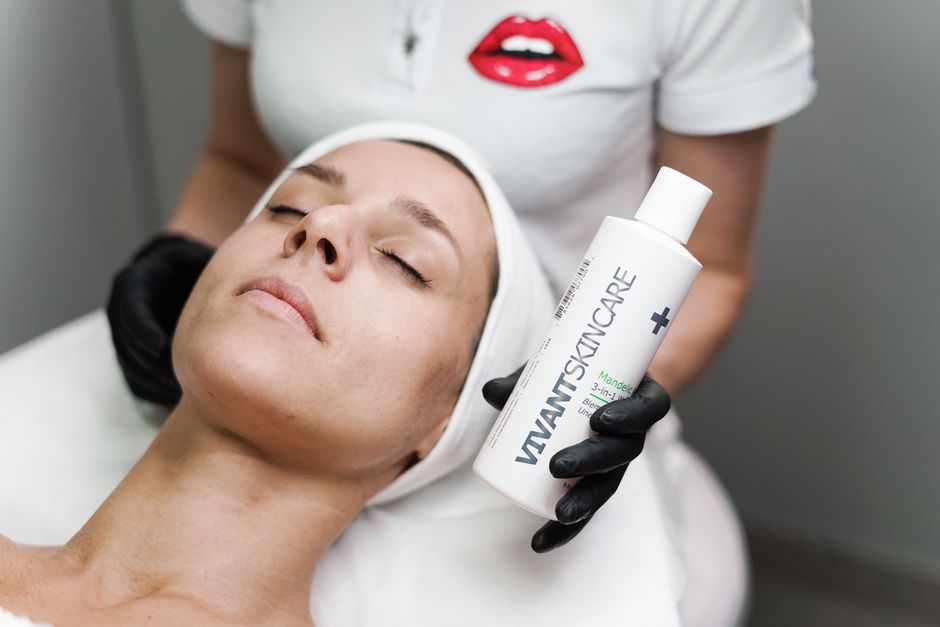
For rosacea-prone skin, the best products are those that calm inflammation, protect the skin barrier, and avoid irritation. Clinical evidence supports ingredients like azelaic acid, niacinamide, and mineral sunscreens as effective first-line options. Gentle cleansers and moisturizers with ceramides are also essential for daily care.
What ingredients should I look for in rosacea products?
Azelaic acid is one of the most well-studied ingredients for rosacea. It reduces redness and bumps by calming inflammation and normalizing skin cell turnover. Prescription-strength azelaic acid (15% gel or foam) is approved for rosacea, and lower concentrations are available over-the-counter.
Niacinamide (a form of vitamin B3) also has anti-inflammatory properties. Some studies suggest it can improve skin barrier function and reduce redness. It is generally well tolerated and found in many moisturizers and serums.
Mineral sunscreens containing zinc oxide or titanium dioxide protect against UV light without the chemical irritants that can trigger rosacea flares. They also provide physical protection against heat and wind, which are common triggers.
Ceramides and other barrier-repair ingredients help strengthen the skin’s outer layer, which is often compromised in rosacea. Products formulated for sensitive skin with these ingredients can reduce stinging and burning sensations.
What ingredients should I avoid with rosacea?
Alcohol, fragrance, essential oils, menthol, camphor, and strong exfoliants (like glycolic acid or retinoids in high concentrations) can worsen redness and stinging. No clinical evidence supports using harsh scrubs or peel-off masks for rosacea. In fact, they often damage the skin barrier and trigger flares.
Sodium lauryl sulfate (SLS) in cleansers may also irritate rosacea-prone skin. Look for sulfate-free, non-foaming cleansers labeled as “gentle” or “for sensitive skin.”
Chemical sunscreens with avobenzone or oxybenzone are more likely to cause stinging and redness in people with rosacea. Mineral sunscreens are a safer alternative for daily use.
What products work best for rosacea prone skin?
This is the central question. Over-the-counter products with azelaic acid (10% or lower) or niacinamide (2% to 5%) are reasonable options for mild redness. For persistent bumps or visible blood vessels, prescription treatments are more effective. The evidence is stronger for prescription azelaic acid, ivermectin cream (for papules and pustules), and metronidazole gel.
Moisturizers are not all equal. Choose ones labeled “non-comedogenic” and “for sensitive skin” that contain ceramides, squalane, or glycerin. Avoid any product that lists alcohol or fragrance high on the ingredient list.
Cleansers should be cream-based or milk-based, not foaming. A gentle cleanser used once or twice daily, followed by a light moisturizer and a mineral sunscreen, forms a solid basic routine.
There is no single product that works for everyone. Rosacea varies between individuals. What helps redness in one person may cause stinging in another. Patience and careful ingredient selection matter more than any single brand.
Is prescription treatment better than over-the-counter?
For moderate to severe rosacea, prescription medications are supported by stronger clinical evidence than most over-the-counter products. Azelaic acid 15%, ivermectin 1%, and metronidazole 0.75% or 1% are FDA-approved for rosacea and have been shown to reduce papules, pustules, and redness in controlled trials.
Over-the-counter products can help with mild symptoms but are not a substitute for medical treatment. Some people with rosacea also benefit from oral antibiotics (like doxycycline at low doses) for anti-inflammatory effects, but these require a doctor’s prescription and monitoring.
If you have persistent bumps or significant redness, seeing a dermatologist is important. They can tailor treatment to your specific subtype of rosacea and recommend a combination of medications and skincare.
How important is sunscreen for rosacea?
Sun exposure is one of the most common triggers for rosacea flares. UV light damages the skin barrier and increases inflammation. Clinical guidelines consistently recommend daily sunscreen use for people with rosacea.
Mineral sunscreens (zinc oxide, titanium dioxide) are preferred because they are less likely to cause stinging or burning. Broad-spectrum SPF 30 or higher is recommended. Some products combine moisturizer with sunscreen, which can simplify the routine.
No clinical evidence supports claiming that sunscreen alone treats rosacea, but it is essential for preventing flares and protecting the skin long-term.
Can diet and lifestyle affect rosacea?
Many people report that certain foods and drinks trigger their rosacea. Common triggers include alcohol (especially red wine), spicy foods, hot drinks, and foods high in histamines like aged cheeses or tomatoes. The evidence is mostly from patient surveys, not controlled trials, but avoiding personal triggers is a reasonable strategy.
Heat, cold, wind, and stress can also provoke flares. Some studies suggest that protecting the face from extreme temperatures and using stress management techniques may help reduce the frequency of flare-ups.
No specific diet has been proven to cure rosacea. A balanced diet that avoids known triggers is the most practical approach. There is no strong evidence for elimination diets beyond avoiding specific triggers.
Frequently Asked Questions
Can I use retinol with rosacea?
Retinol can be very irritating for rosacea-prone skin and may worsen redness and stinging. If you want to try a retinoid, start with a very low concentration and patch test, but consult a dermatologist first.
Are natural products better for rosacea?
Natural does not mean safer. Many essential oils and plant extracts can irritate rosacea. No large studies confirm that natural products are more effective than conventional ones.
How long does it take for rosacea products to work?
Prescription treatments typically show improvement in 4 to 8 weeks. Over-the-counter products may take longer, and results vary. Consistency is more important than switching products frequently.
Can rosacea be cured with skincare products?
No. Rosacea is a chronic condition with no cure. Skincare products can help control symptoms and reduce flares, but medical treatment is often needed for long-term management.
