
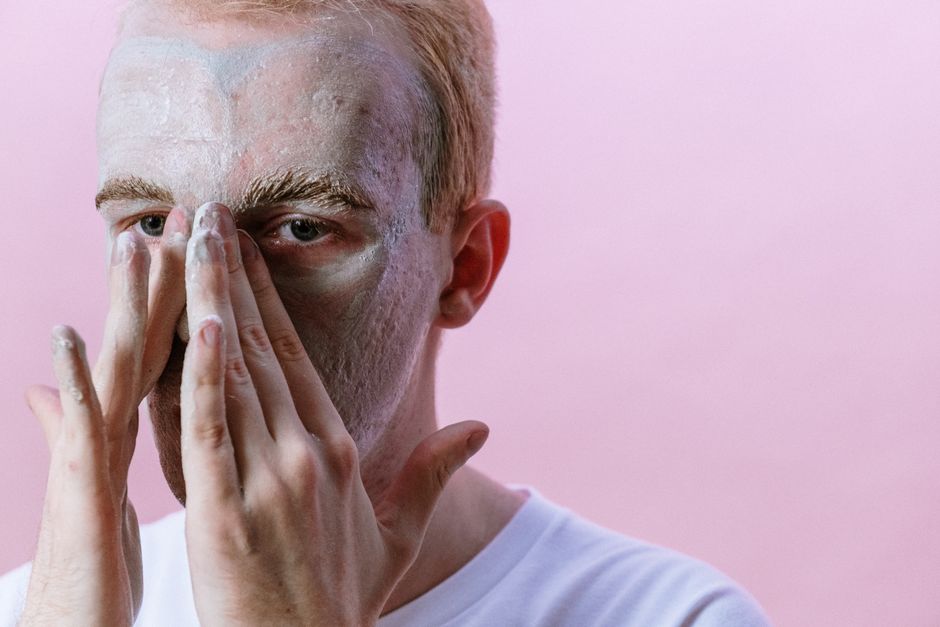
Acne is one of the most common skin conditions, affecting millions of adults well past their teenage years. Many people want to treat it without spending money on cleansers, serums, or prescription medications. The honest answer is that you can address some forms of acne through daily habits, diet adjustments, and careful hygiene—but natural does not automatically mean effective. Some home approaches are supported by solid evidence, while others are little more than internet rumors. This guide breaks down what actually works, what is harmless but unproven, and what you should never put on your skin.
What Causes Acne in the First Place?
Acne forms when hair follicles become plugged with oil and dead skin cells. Every pore on your face contains a hair follicle and a sebaceous gland that produces sebum, a natural oil. When sebum production increases, it mixes with dead skin cells and can block the opening of the pore. Bacteria called Cutibacterium acnes live on everyone’s skin, and when they multiply inside a blocked pore, the immune system responds with inflammation. That inflammation is what turns a small clogged pore into a red, painful pimple.
Hormones drive most of this process. Androgens, which are present in both men and women, stimulate sebum production. This is why acne often flares during puberty, menstrual cycles, pregnancy, and times of stress. Genetics also play a major role—if your parents had acne, you are more likely to have it too. Understanding this mechanism matters because it explains why surface treatments alone rarely solve the problem. The process starts deep in the pore, not on the surface of the skin.
Can You Really Get Rid of Acne Without Any Products?
Yes, for mild acne, you can make meaningful progress without buying a single product. The key is to focus on the factors you control: hygiene, diet, stress, sleep, and what touches your face. Research consistently shows that consistent cleansing with plain water, gentle washing, and avoiding pore-clogging substances can reduce breakouts in people with mild acne. This is not a cure for moderate or severe acne—those cases often require medical treatment—but it can genuinely improve skin clarity.
That said, you need to be realistic. No natural approach will work overnight. Skin cell turnover takes about 28 days, meaning any change you make today will not show visible results for several weeks. If you have cystic acne, deep painful nodules, or acne that leaves scars, natural methods alone are unlikely to be enough. In those cases, seeing a dermatologist is the evidence-based choice, not a failure.
How To Get Rid Of Acne Without Products Naturally: Daily Habits That Matter
The single most effective product-free strategy is washing your face properly. Use lukewarm water—not hot, which strips natural oils and triggers more sebum production. Wash twice daily, morning and night, using your fingertips rather than a washcloth or sponge. Friction from scrubbing irritates the skin and makes inflammation worse. Pat your face dry with a clean towel. Change your pillowcase at least twice a week. Your face presses into that fabric for eight hours a night, and it collects oil, dead skin, and bacteria.
Stop touching your face. This is harder than it sounds. Studies have found that people touch their face an average of 16 times per hour without realizing it. Each touch transfers bacteria and oil from your hands directly into your pores. If you wear glasses, clean the nose pads daily. If you talk on the phone, wipe the screen frequently. If you have bangs, keep them off your forehead—hair products and natural hair oil are common triggers for breakouts along the hairline.
Sweat is another factor. When sweat evaporates, it leaves behind salt and minerals that can irritate pores. If you exercise, wash your face within a few minutes of finishing. Do not let sweat dry on your skin. But avoid aggressive post-workout scrubbing—gentle rinsing with water is sufficient.

Diet Changes That May Reduce Breakouts
The connection between diet and acne was dismissed for decades, but the evidence has shifted. Research now indicates that high-glycemic foods—those that spike blood sugar quickly—can worsen acne. When blood sugar rises rapidly, the body releases insulin and insulin-like growth factor, which stimulate sebum production and skin cell growth. This is why studies have found that low-glycemic diets reduce acne lesions in some people.
What does this mean practically? Cut back on white bread, sugary drinks, candy, and processed snacks. Replace them with whole grains, vegetables, and legumes. One study published in the American Journal of Clinical Nutrition found that a low-glycemic diet reduced acne lesions by about 50 percent in young men over 12 weeks. That is a meaningful effect, though it does not work for everyone.
Dairy is more complicated. Some studies suggest a link between skim milk and acne, possibly due to hormones present in milk. The evidence is not strong enough to say dairy causes acne for everyone. If you suspect dairy is a trigger for you, try eliminating it for three to four weeks and track your skin. If you see no change, dairy is probably not your problem. If you do see improvement, you can decide whether the trade-off is worth it.
No specific food is a guaranteed acne cure. Chocolate, greasy pizza, and fried foods have been blamed for years, but the research does not support a direct link. The glycemic load of the whole meal matters more than any single ingredient.
Home Remedies That Have Real Evidence Behind Them
Some natural ingredients have genuine research support. Green tea, for example, contains polyphenols that reduce sebum production and calm inflammation. You can brew green tea, let it cool, and apply it to your face with a cotton ball as a rinse. Do not leave it on overnight—it can stain. Some research suggests that a 2 percent green tea lotion reduced acne lesions by about 58 percent over six weeks. That is comparable to some over-the-counter treatments.
Honey has antibacterial properties and has been used on wounds for centuries. Raw honey, especially manuka honey, can reduce the bacteria that contribute to acne. Apply a thin layer to affected areas, leave it for 10 to 15 minutes, and rinse with warm water. The evidence for honey as an acne treatment is limited to small studies, but it is unlikely to cause harm unless you have a pollen allergy.
Aloe vera gel is another option. It contains compounds that reduce inflammation and promote wound healing. You can apply pure aloe vera gel directly to pimples. Some research indicates it enhances the effectiveness of other acne treatments, but on its own, the evidence is modest. Use it as a soothing agent rather than a cure.
What Absolutely Does Not Work
Several viral “natural acne cures” are not just ineffective—they can damage your skin. Toothpaste is at the top of this list. It contains baking soda, hydrogen peroxide, and fluoride, which irritate the skin and can cause chemical burns around the pimple. The irritation may make the pimple look smaller temporarily, but it damages the skin barrier and leads to more breakouts later.
Lemon juice is another dangerous trend. Its high acidity disrupts the skin’s pH balance, and applying it before sun exposure can cause phytophotodermatitis—a severe skin reaction that leaves dark patches that last for months. The vitamin C in lemon juice is real, but the concentration is too low to help acne, and the risks far outweigh any benefit.
Baking soda is equally problematic. It has a pH around 8, while healthy skin sits around 4.5 to 5.5. Applying baking soda to your face disrupts the acid mantle, leaving skin vulnerable to infection and irritation. It may feel like it is drying out pimples, but it is stripping the protective barrier and causing your skin to produce even more oil to compensate.
Avoid all forms of physical exfoliation with sugar, salt, or coffee grounds. These ingredients have sharp edges that create micro-tears in the skin. This leads to inflammation and can spread bacteria to surrounding pores. The internet loves DIY scrubs, but dermatologists consistently advise against them.
When Natural Methods Are Not Enough
If you have tried consistent washing, diet changes, and lifestyle adjustments for eight to twelve weeks without improvement, it is time to consider medical treatment. This is not a personal failure—acne is a medical condition influenced by hormones and genetics that you cannot fully control with lifestyle alone. Over-the-counter benzoyl peroxide and salicylic acid are the first-line treatments recommended by dermatologists. They are not “products” in the cosmetic sense; they are medications with decades of evidence behind them.
For moderate to severe acne, prescription options include topical retinoids, antibiotics, and for women, certain hormonal contraceptives or spironolactone. Isotretinoin, formerly known as Accutane, is reserved for severe cystic acne that has not responded to other treatments. These options require a doctor’s supervision because they have side effects, but they are far more effective than any natural approach for serious cases.
Frequently Asked Questions
How long does it take for natural acne treatments to work?
Most natural approaches take at least four to six weeks to show visible results because skin cell turnover takes about 28 days. If you see no improvement after three months of consistent effort, natural methods are probably not enough for your skin.
Can drinking more water clear acne?
Staying hydrated supports overall skin health, but no research shows that drinking extra water directly reduces acne. Dehydration can make skin look dull, but acne is driven by hormones and oil production, not water intake.
Is it safe to pop pimples at home?
No. Popping a pimple pushes bacteria deeper into the pore, increases inflammation, and raises the risk of permanent scarring. Let pimples run their course or see a dermatologist for professional extraction.
Does washing your face more often help acne?
No. Washing more than twice daily strips natural oils and irritates skin, which triggers increased oil production and more breakouts. Stick to two gentle washes per day with lukewarm water.
