
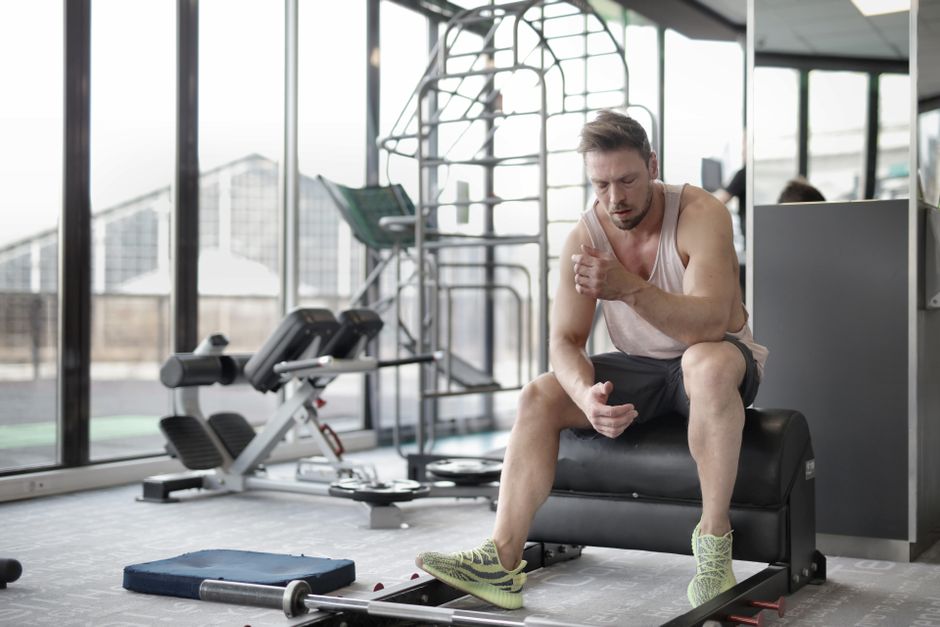
What you eat before a workout gives your muscles the fuel they need to contract and your brain the glucose it needs to focus. The best choice is a small meal or snack built mostly from carbohydrates, with a modest amount of protein, eaten about one to three hours before you train. Keep fat and fiber low right before exercise, since both slow digestion and can cause stomach upset. If you are training first thing in the morning, even a light carb snack of 30 to 60 grams can make a real difference.
What Should You Eat Pre Workout?
Carbohydrates are the body’s preferred fuel during most types of exercise, especially anything at moderate to high intensity. Your muscles store carbohydrate as glycogen, and those stores are limited. Eating carbs before training tops off that fuel tank and spares the glycogen you already have.
Protein plays a supporting role here, not the lead. A small amount before exercise can help reduce muscle breakdown during the session, but the bigger protein opportunity is in the hours after training. Fat and fiber are useful in your overall diet, but they slow gastric emptying. Eat a high-fat or high-fiber meal too close to a workout and you may feel sluggish, bloated, or nauseated.
A simple framework that works for most people:
- 1 to 3 hours before: a small balanced meal with carbs as the base, plus some protein and a little fat
- 30 to 60 minutes before: a light, easy-to-digest carb snack
- Less than 30 minutes before: keep it very small, or skip solid food and sip fluids
The exact timing matters less than how your own gut responds. Some people can eat a full meal an hour before a run. Others need two or three hours. Trial and error is part of the process.
How Many Carbs Do You Actually Need Before Training?
General sports nutrition guidance puts pre-exercise carbohydrate intake in the range of roughly 1 to 4 grams per kilogram of body weight, depending on how long and how hard you plan to train. For a 150-pound (68 kg) person, that is a wide window, from about 68 grams up to around 270 grams.
That range is broad on purpose. A 30-minute easy jog needs far less than a two-hour cycling session. Longer and more intense efforts draw down glycogen faster, so they call for more pre-fuel. Short, low-intensity sessions may need little or nothing extra if you ate normally that day.
Most recreational exercisers do not need to weigh food or track grams. The practical version is simpler: eat a normal mixed meal a few hours out, or grab a snack with meaningful carbs if you are short on time. The grams-per-kilogram targets are mainly useful for endurance athletes and people training for long events.
One clarification worth making: “carb loading” as most people use the term is not a pre-workout strategy. True carb loading is a multi-day protocol used before endurance events lasting well over 90 minutes. It has little to do with what you eat in the hour before a gym session.
What Are Good Pre-Workout Foods?
The best pre-workout foods are low in fat and fiber, moderate in protein, and rich in easily digested carbs. They move through the stomach quickly and deliver glucose without weighing you down.
Reliable options include:
- Bananas
- Oatmeal with a little fruit
- Toast with a thin layer of peanut butter or jam
- A small bowl of low-fiber cereal with milk
- Greek yogurt with honey
- A fruit smoothie
- Rice cakes
- A small serving of white rice or pasta
Notice that many of these use refined or lower-fiber carbs. That is intentional right before training. Whole grains are excellent for everyday eating, but their fiber slows digestion. Save the high-fiber choices for meals further from your workout.
If you train early in the morning and cannot stomach a full breakfast, a banana, a slice of toast, or a small smoothie is enough to get started. Something is generally better than nothing for morning sessions.




Does Pre-Workout Caffeine Help?
Caffeine is one of the few pre-workout ingredients with strong research support for performance. Studies consistently show it can improve endurance, power, and perceived effort in many people. It works by blocking adenosine, a molecule that promotes feelings of tiredness.
Common research doses fall in the range of about 3 to 6 milligrams per kilogram of body weight, taken roughly 30 to 60 minutes before exercise. For a 150-pound person, that is roughly 200 to 400 milligrams. For reference, an 8-ounce cup of brewed coffee typically contains around 95 milligrams, though this varies widely by brew strength and bean.
Higher is not better here. Doses above that range tend to increase side effects like jitteriness, rapid heartbeat, and stomach upset without adding benefit. Caffeine also affects people differently based on genetics, tolerance, and medications. If you have a heart condition, anxiety, or are pregnant, talk to your doctor before using it for performance.
Pre-workout supplements sold in stores often combine caffeine with other ingredients. Many of those other ingredients have far weaker evidence behind them than caffeine does. Read labels carefully and treat marketing claims with skepticism.
What Should You Drink Before a Workout?
Hydration matters as much as food for how you feel during exercise. Starting a workout even mildly dehydrated can raise your heart rate and make the effort feel harder.
Plain water is enough for most workouts under about an hour. For longer or very sweaty sessions, especially in heat, drinks with electrolytes and some carbohydrate can help replace what you lose through sweat. Sodium is the main electrolyte lost in sweat, and it matters most for sessions lasting well beyond an hour or in hot conditions.
A practical habit is to drink a glass or two of water in the couple of hours before training, then sip as needed. Do not force large amounts right before you start, since a full stomach can be uncomfortable. If your urine is pale yellow, you are generally in a reasonable hydration range.
What Should You Avoid Before a Workout?
The foods most likely to cause trouble are the ones that sit in your stomach and slow you down. High-fat meals, heavy fried food, and large portions of fiber-rich vegetables or beans are common culprits when eaten too close to training.
Also worth limiting right before exercise:
- Very large meals, even if they are mostly carbs
- Alcohol, which affects hydration, coordination, and recovery
- New or unfamiliar foods, especially before a race or important session
- Excess sugar alcohols found in some protein bars, which can cause gas and cramping
Everyone’s gut is different. Some people tolerate a small salad before a workout fine. Others cannot. The pattern that matters is your own, and the way to find it is to test foods on normal training days, not on competition day.
How Do You Time Your Pre-Workout Meal?
Timing comes down to digestion. The closer you eat to your workout, the smaller and simpler the meal should be. A full meal needs roughly two to three hours to empty from the stomach comfortably. A light snack may be fine 30 to 60 minutes out.
Here is a rough guide for a 150-pound person, though individual needs vary:
| Time before workout | What to eat | Approximate carbs |
|---|---|---|
| 3 hours | Full balanced meal | About 100 to 150 grams |
| 1 to 2 hours | Smaller meal or larger snack | About 50 to 75 grams |
| 30 to 60 minutes | Light carb snack | About 30 to 60 grams |
| Under 30 minutes | Very small snack or fluids | About 15 to 30 grams |
These numbers are starting points, not rules. Use them to build your own pattern based on how you feel. If you get hungry mid-workout, that is a sign to eat a bit more beforehand. If you feel heavy or queasy, eat less or move your meal earlier.
The single most useful thing you can do is keep your pre-workout eating consistent on training days. A routine you have tested is worth more than any perfect formula on paper.
Frequently Asked Questions
What is the best thing to eat before a workout?
A snack or meal built mostly from easy-to-digest carbohydrates with a little protein works best for most people. Bananas, oatmeal, toast, or a small smoothie are common choices.
Should I eat before a morning workout?
Yes, if you can tolerate it, even a light carb snack can help fuel early training. If you cannot stomach food that early, keep it small or try a sports drink instead.
How long before a workout should I eat?
A full meal is best about two to three hours before training, while a light snack works 30 to 60 minutes out. The closer you eat to your workout, the smaller and simpler the food should be.
Is caffeine a good pre-workout?
Caffeine has strong research support for improving performance in many people, typically at doses around 3 to 6 milligrams per kilogram of body weight. It is not right for everyone, so check with your doctor if you have a heart condition, anxiety, or are pregnant.
