
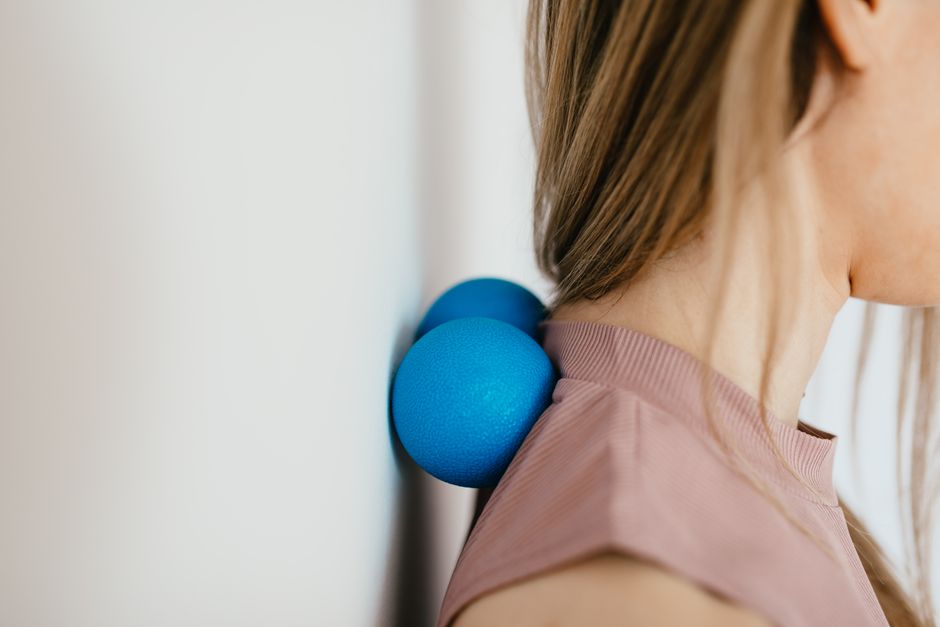
Muscle pain after a workout is a normal part of the recovery process. It usually peaks about 24 to 72 hours after exercise and fades on its own. The most effective way to relieve it is to keep moving gently, apply heat or cold, and give your muscles time to repair. Over-the-counter pain relievers can help in the short term, but they do not speed up recovery.
What Causes Muscle Pain After A Workout?
The soreness you feel a day or two after exercise is called delayed onset muscle soreness, or DOMS. It happens when your muscles are challenged in ways they are not used to, especially during eccentric movements. Eccentric movements are the lowering phases of exercise, like the downward part of a squat or the release of a bicep curl.
During these movements, microscopic tears form in the muscle fibers. This damage triggers an inflammatory response, which leads to swelling, tenderness, and stiffness. The pain is a sign that your muscles are adapting and getting stronger. It is not the same as an acute injury, which happens suddenly and involves sharp pain.
DOMS is most common after starting a new exercise program, increasing intensity, or returning after a break. The good news is that your body adapts quickly. The same workout that caused severe soreness will likely cause less soreness the second time you do it.
Does Stretching Help Or Hurt?
Static stretching before a workout does not prevent soreness. Research has consistently shown that pre-exercise stretching has little or no effect on DOMS. However, stretching after a workout may provide temporary relief by increasing blood flow to the affected area.
Gentle stretching that does not cause pain is safe during the sore phase. Hold each stretch for about 30 seconds without bouncing. If a stretch makes the pain worse, stop. The goal is to feel a mild pull, not to push through sharp discomfort.
Dynamic stretching, which involves controlled movements like leg swings and arm circles, is more useful before exercise. It warms up the muscles and prepares them for activity without the risks associated with cold static stretching.
Is Heat Or Ice Better For Sore Muscles?
Both heat and ice have a place in recovery, but they work differently. Ice is best for acute injuries with swelling, while heat is generally better for DOMS. Heat increases blood flow, relaxes tight muscles, and reduces stiffness. A warm bath or heating pad for 15 to 20 minutes can feel genuinely soothing.
Cold therapy, such as an ice pack or cold bath, can reduce inflammation and numb the area temporarily. Some athletes use cold water immersion after intense training, but the evidence for long-term benefits is mixed. Cold therapy may reduce soreness in the short term, but it does not appear to speed up muscle repair.
If you are unsure, start with heat for general soreness. If there is visible swelling or you suspect an injury, use ice. Never apply ice directly to the skin. Wrap it in a cloth and limit application to 15 to 20 minutes at a time.

How To Relieve Muscle Pain After A Workout With Movement
Complete rest is not the best strategy for DOMS. Light activity actually helps. Walking, cycling at low intensity, or swimming increases circulation without adding much strain. This is sometimes called active recovery, and it can reduce stiffness and improve how your muscles feel.
Light exercise on sore muscles is safe as long as you keep the intensity low. If your legs are sore, a gentle walk or a few minutes on a stationary bike can help. Avoid doing the same intense workout that caused the soreness until the pain subsides, typically within a few days.
Foam rolling is another form of movement that many people find helpful. It applies pressure to the muscle tissue and may reduce soreness temporarily. The evidence is not strong enough to say foam rolling speeds up recovery, but it can improve range of motion and make you feel better.
Do Pain Relievers Actually Work?
Over-the-counter medications like ibuprofen and acetaminophen can reduce the pain associated with DOMS. Ibuprofen works by reducing inflammation, while acetaminophen blocks pain signals. Both can make you more comfortable, but neither speeds up the healing process.
There is an important caveat. Taking anti-inflammatory drugs right after exercise may interfere with the muscle adaptation process. Some research suggests that suppressing inflammation can reduce the strength gains you get from training. The effect is not fully understood, so it is reasonable to use pain relievers only when the discomfort is significant.
Topical creams containing menthol or capsaicin can also provide temporary relief. These work by changing how your skin perceives pain. They do not treat the underlying muscle damage, but they can make the soreness more bearable.
Do Supplements Or Nutrition Help Recovery?
Protein is the most studied nutrient for muscle recovery. Consuming protein after a workout provides the building blocks your muscles need to repair. A meal or shake containing 20 to 40 grams of protein within a few hours after exercise is a reasonable target for most people. This aligns with general sports nutrition guidance.
Tart cherry juice has been studied for its potential to reduce muscle soreness. Some studies suggest it may help, likely due to its anti-inflammatory properties. The evidence is promising but not definitive. If you enjoy it, it is a reasonable addition, but it is not a cure.
Creatine is one of the most researched supplements in sports science. It may support recovery and reduce muscle damage, but it is primarily used to improve performance during training. No supplement has been proven to completely eliminate DOMS. Be skeptical of any product that claims to do so.
When Should You See A Doctor?
Normal muscle soreness should improve over a few days. If the pain gets worse instead of better, or if it lasts longer than a week, it may be something more serious. Seek medical attention if you notice severe swelling, dark urine, or extreme weakness. These can be signs of rhabdomyolysis, a rare but serious condition where muscle tissue breaks down rapidly.
Sudden sharp pain during exercise is different from DOMS. This may indicate a muscle strain or tear. If you heard a pop, cannot bear weight, or have significant bruising, see a healthcare provider. A muscle strain requires different treatment than routine soreness.
Trust your body. Mild discomfort that improves with movement is normal. Pain that limits your daily activities or does not improve with basic care warrants a professional evaluation.
Can You Prevent Muscle Soreness?
You cannot completely prevent DOMS, but you can reduce its severity. The most effective strategy is to progress your workouts gradually. Increasing intensity or duration by no more than 10 percent per week gives your muscles time to adapt.
Staying hydrated and eating enough protein are practical steps. There is no evidence that special recovery drinks or compression garments prevent soreness, though some people find them comfortable. Sleep is one of the most underrated recovery tools. Your body releases growth hormone during deep sleep, which is essential for muscle repair.
Do not let soreness stop you from exercising. Working out with mild DOMS is safe and can actually help you feel better. Just reduce the intensity and give your body the time it needs to adapt to the new demands you are placing on it.
Frequently Asked Questions
How long does muscle soreness last after a workout?
Muscle soreness typically peaks between 24 and 72 hours after exercise and resolves within five to seven days. If pain lasts longer than a week or worsens, consult a healthcare provider.
Is it okay to exercise with sore muscles?
Yes, light exercise like walking or cycling can help reduce soreness by increasing blood flow. Avoid intense training on the same muscle groups until the soreness subsides.
Should I take ibuprofen for muscle soreness?
Ibuprofen can reduce pain temporarily but does not speed up recovery and may interfere with muscle adaptation. Use it sparingly, only when discomfort is significant.
Does drinking water help muscle recovery?
Staying hydrated supports normal muscle function and recovery, but water alone will not prevent or cure soreness. Dehydration can worsen cramps and delay recovery, so drink regularly throughout the day.
