

Feeling nauseous, dizzy, or sick after taking pre-workout is a common problem. The fastest way to get rid of pre-workout sickness is to stop exercising immediately, drink plenty of plain water, and lie down with your feet elevated until the symptoms pass. Most pre-workout sickness is caused by a sudden spike in caffeine and niacin, and the symptoms typically fade within 30 to 60 minutes as your body processes the ingredients.
What Causes Pre Workout Sickness?
Pre-workout supplements are designed to stimulate your nervous system. The main culprits behind feeling sick are usually the high doses of caffeine, niacin (vitamin B3), and other stimulants like beta-alanine.
Caffeine narrows blood vessels and increases your heart rate. When you combine that with the physical demands of exercise, blood flow to your stomach decreases. This slows digestion and can trigger nausea.
Niacin causes a well-documented “flush.” This is a warm, red, tingling sensation on your skin. In higher doses, it can cause an upset stomach. Beta-alanine causes a different sensation—a prickling or itching feeling, usually on the face and arms. While this is harmless, it can add to the overall feeling of being unwell, especially if you are not used to it.
Dehydration is another major factor. Pre-workouts often contain sodium and other minerals that pull water into your muscles. If you did not drink enough water beforehand, the supplement can make the dehydration worse, leading to dizziness and headaches.
How To Get Rid Of Pre Workout Sickness Fast
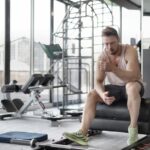
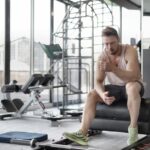
If you are feeling sick right now, stop what you are doing. Do not try to “push through” the workout. The fastest way to settle your stomach is to reduce the stimulation in your system.
First, sit down or lie flat on your back. Elevate your feet slightly if you feel dizzy or lightheaded. This helps maintain blood flow to your brain and prevents fainting.
Second, drink water. Sip cold water slowly rather than gulping it down. Drinking too much too fast can make nausea worse. Avoid carbonated drinks, which can bloat your stomach and increase discomfort.
Third, eat a small piece of plain, dry food. A saltine cracker or a piece of plain toast can absorb excess stomach acid and settle your digestion. Do not eat a full meal.
If the feeling is intense, a cool compress on your forehead or the back of your neck can help. The goal is to let your body metabolize the caffeine and other stimulants. This takes time, but these steps will make the process more comfortable. Most people feel significantly better within 20 to 30 minutes of resting and hydrating.
Why Do You Feel Sick After Taking Pre Workout?
The timing of your symptoms matters. If you feel sick within 10 to 15 minutes of taking the pre-workout, it is likely the niacin or beta-alanine. These ingredients are absorbed quickly and cause immediate physical sensations.
If you feel sick 30 to 45 minutes into your workout, it is more likely the caffeine. Caffeine peaks in your bloodstream about 30 to 60 minutes after consumption. As your heart rate increases from exercise, the caffeine amplifies that effect, which can cause anxiety, nausea, and a racing heart.
Another common cause is taking pre-workout on an empty stomach. Many people take it first thing in the morning before eating. The high acidity of the supplement, combined with no food to buffer it, can irritate the stomach lining. This irritation directly triggers the nausea reflex.
Your body size and tolerance also play a role. A person weighing 130 pounds will process the same scoop of pre-workout differently than a person weighing 200 pounds. If you are new to pre-workouts, your body has not built up a tolerance to the stimulants, making you more likely to feel sick.

How To Prevent Pre Workout Sickness
Prevention starts with checking your serving size. Many pre-workout scoops are large, and the label’s “recommended serving” may be more than you need. Start with half a scoop.
If you tolerate half a scoop without any side effects, you can gradually increase to the full serving over several sessions. This lets your body adapt to the caffeine and other ingredients.
Always take pre-workout with food. A small snack with carbohydrates—like a banana, a piece of toast, or a small bowl of oatmeal—will buffer the supplement’s acidity. Avoid taking it with a high-fat meal, as fat slows digestion and delays the caffeine’s absorption, which can prolong the sick feeling.
Hydration is critical. Drink about 16 ounces of water in the hour before you take your pre-workout. Then, take your pre-workout with another 8 to 12 ounces of water. If you are dehydrated before you even start, the pre-workout will compound the problem.
Check the caffeine content. A standard cup of coffee has about 95 mg of caffeine. Many pre-workouts contain 200 to 300 mg per scoop. If you are sensitive to caffeine or you already had coffee that day, you are likely overdoing it. Consider a caffeine-free pre-workout or a lower-stimulant formula.
When To See A Doctor About Pre Workout Sickness
Most pre-workout sickness is unpleasant but not dangerous. However, there are clear warning signs that require medical attention.
Stop using the supplement and see a doctor if you experience chest pain, an irregular heartbeat, or severe shortness of breath. These symptoms can indicate a cardiovascular issue that the stimulants are aggravating.
Also seek medical advice if you vomit repeatedly, cannot keep fluids down, or feel faint for more than an hour after stopping exercise. Persistent vomiting can lead to dehydration, which is a serious condition.
If you have a pre-existing medical condition—especially high blood pressure, heart disease, anxiety disorders, or kidney issues—talk to your doctor before using any pre-workout. The high doses of stimulants and minerals can interfere with certain medications and conditions. No clinical guidelines currently exist for safe pre-workout use in these populations, so a doctor’s guidance is essential.
Alternatives To Traditional Pre Workout
If pre-workout consistently makes you sick, you do not need it to have a good workout.
Plain coffee is a simpler option. It provides caffeine without the niacin, beta-alanine, and artificial sweeteners that often cause stomach distress. A cup of coffee 30 minutes before exercise is a well-tolerated choice for many people.
Green tea is another option. It has less caffeine than coffee and contains L-theanine, an amino acid that promotes calm focus without jitteriness. Some research suggests this combination can improve attention during exercise.
For energy without stimulants, focus on your nutrition. Eating a balanced meal with carbohydrates and protein 1 to 2 hours before a workout provides sustained energy. A banana with peanut butter or Greek yogurt with berries are simple, effective pre-workout snacks.
Electrolyte drinks can help if your main issue is dehydration or muscle cramping. These provide sodium and potassium without any stimulants. They are a safe option for people who are sensitive to caffeine.
How Long Does Pre Workout Sickness Last?
The duration depends on the ingredient causing the problem and your metabolism.
The niacin flush typically peaks 15 to 20 minutes after ingestion and fades within an hour. The tingling from beta-alanine usually lasts 20 to 30 minutes. These effects are temporary and harmless, though they can be alarming if you do not expect them.
Caffeine effects last longer. The half-life of caffeine—the time it takes for your body to eliminate half of it—is typically 3 to 5 hours in healthy adults. However, the intense nausea and racing heart usually subside within 1 to 2 hours.
If you have taken a pre-workout with a high caffeine dose and you are still feeling sick after 2 hours of rest and hydration, contact a healthcare professional. This is not typical and may indicate a sensitivity or an interaction with another substance you have consumed.
Frequently Asked Questions
Can I drink milk to settle my stomach after pre-workout?
Yes, a small glass of milk can help coat your stomach and reduce irritation. However, if you are nauseous, start with a few sips of water first and wait 10 minutes before trying milk.
Should I take my pre-workout with less water?
No. Always mix your pre-workout with at least 8 to 12 ounces of water. Taking it with too little water makes the concentration stronger and increases the risk of nausea and stomach cramps.
Is it safe to take pre-workout every day?
Daily use is common, but your body builds a tolerance to caffeine over time. This means you may need more to feel the same effect, which increases your risk of side effects. Many users cycle off pre-workout for a few weeks to reset their tolerance.
Does eating before pre-workout stop the nausea completely?
Eating a small snack before taking pre-workout significantly reduces nausea for most people, but it does not guarantee you will not feel sick. If you are sensitive to caffeine or niacin, you may still experience symptoms even with food in your stomach.
