
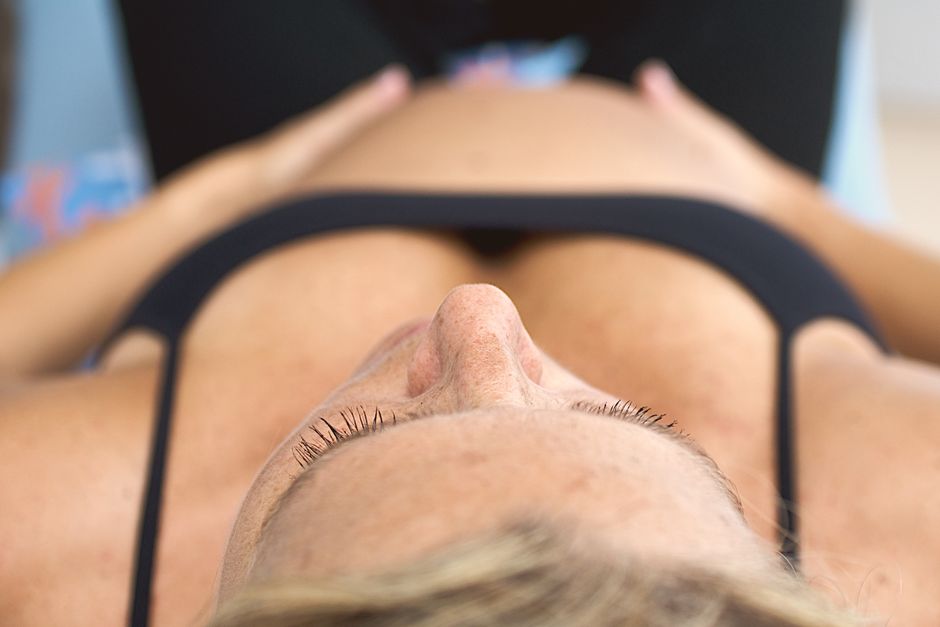
Pregnancy changes what is safe to eat because a developing baby is far more vulnerable to certain bacteria, toxins, and chemicals than a healthy adult. Some foods that are perfectly fine for you can cause serious harm to your baby. The core rule is simple: avoid foods that carry a high risk of foodborne illness, limit substances like caffeine and alcohol, and steer clear of fish that contain high levels of mercury. This guide walks through the specific foods to skip and explains why each one is on the list.
What foods are completely off-limits during pregnancy?
Some foods are considered unsafe enough that doctors and public health agencies advise avoiding them entirely. These are mostly foods with a high risk of containing harmful bacteria or parasites that can cross the placenta and infect your baby.
Raw or undercooked meat, poultry, and eggs top the list. This includes rare steak, raw sushi, undercooked chicken, and any dish made with raw eggs like homemade Caesar dressing or raw cookie dough. These foods can carry Salmonella, E. coli, or Toxoplasma gondii, a parasite that causes toxoplasmosis. A healthy adult might fight off these infections with mild symptoms or none at all, but a fetus has no developed immune system. Infection can cause severe complications including miscarriage, stillbirth, or brain and eye damage.
Unpasteurized milk and soft cheeses are also on the no-go list. Unpasteurized dairy can contain Listeria monocytogenes, a bacterium that is unusually dangerous in pregnancy. Listeria can cross the placenta and cause a serious infection called listeriosis, which has a high rate of fetal loss. Soft cheeses like brie, camembert, feta, queso fresco, and blue-veined cheeses are risky only if they are made from unpasteurized milk. Hard cheeses and pasteurized versions are safe.
Deli meats and hot dogs carry a listeria risk even when they look and smell fine. The recommendation is to heat these foods until they are steaming hot before eating. That kills the bacteria. If you cannot heat them, skip them.
Raw sprouts — including alfalfa, clover, and radish sprouts — are another listeria risk. Sprouts grow in warm, humid conditions that are ideal for bacterial growth, and they are difficult to wash thoroughly. Cooked sprouts are fine.
Why is fish high in mercury dangerous during pregnancy?
Mercury is a heavy metal that builds up in large predatory fish. When you eat these fish, the mercury enters your bloodstream and crosses the placenta easily. In a developing baby, mercury can damage the developing nervous system and brain, leading to learning problems and developmental delays.
Fish that are high in mercury include shark, swordfish, king mackerel, tilefish, bigeye tuna, and marlin. These are large fish that live long lives and accumulate mercury over time. You should avoid them completely during pregnancy.
Not all fish are risky. Low-mercury fish like salmon, sardines, trout, shrimp, and canned light tuna are safe and actually beneficial because they provide omega-3 fatty acids important for fetal brain development. The general guidance is to eat 8 to 12 ounces of low-mercury fish per week, spread across two or three meals. Albacore or white tuna has more mercury than light tuna, so it should be limited to 6 ounces per week.
Is alcohol safe in any amount during pregnancy?
No amount of alcohol is known to be safe during pregnancy. This is one of the strongest consensus positions in all of prenatal medicine. Alcohol crosses the placenta freely and reaches the baby at the same concentration as in your blood. The fetal liver is immature and cannot process alcohol the way an adult liver can.
Alcohol exposure in the womb can cause fetal alcohol spectrum disorders (FASD), a range of effects that includes physical abnormalities, growth problems, and permanent brain damage. The most severe form is fetal alcohol syndrome, which causes distinct facial features, small head size, and intellectual disability. These effects are permanent and entirely preventable.
The evidence does not show a clear threshold below which alcohol is harmless. Because no safe level has been identified, the official recommendation from major health organizations is complete abstinence for the entire pregnancy. This includes the first trimester, before you may even know you are pregnant, which is why stopping alcohol when you start trying to conceive is the safest approach.

How much caffeine is safe during pregnancy?
Caffeine crosses the placenta and reaches the baby, who has no ability to metabolize it. The fetus is exposed to caffeine levels that last much longer than they would in an adult body. High caffeine intake during pregnancy has been linked in some research to an increased risk of low birth weight and miscarriage, though the evidence is not uniform.
Most clinical guidelines recommend limiting caffeine to 200 milligrams per day. That is roughly one 12-ounce cup of brewed coffee. It is important to remember that caffeine appears in many other places: espresso drinks, tea, cola, chocolate, energy drinks, and some medications. A large coffee from a café can easily exceed 200 milligrams on its own.
Energy drinks deserve special caution. Beyond caffeine, they contain other stimulants and high sugar levels, and their caffeine content is often not clearly labeled. Most health professionals advise avoiding energy drinks entirely during pregnancy.
What about herbal teas and supplements?
Herbal products are not regulated like medications, and their safety in pregnancy is largely unknown. Unlike pharmaceutical drugs, which undergo rigorous testing for safety in pregnancy, most herbs have never been studied in pregnant women. The absence of evidence is not evidence of safety.
Some herbs are known to be dangerous. Saw palmetto, black cohosh, blue cohosh, and high doses of certain essential oils have been linked to uterine contractions or other harm. Others, like chamomile and peppermint, are commonly consumed and generally considered low risk in food amounts, but no large studies confirm their safety in pregnancy.
The practical rule is to stick to a few well-known teas like ginger for nausea and to avoid anything exotic or concentrated. Do not take herbal supplements in capsule or tincture form without discussing them with your doctor first. This includes herbal weight-loss products, detox teas, and “cleansing” formulas, many of which contain ingredients that can stimulate the uterus.
Are there foods that increase the risk of listeria specifically?
Listeria is the foodborne pathogen that causes the most concern in pregnancy because it is more likely to cause severe illness in pregnant women than in the general population. Pregnant women are about 10 times more likely to develop invasive listeriosis than other healthy adults. The infection can cause miscarriage, premature delivery, or severe illness in the newborn.
Foods that have been associated with listeria outbreaks include soft cheeses, deli meats, refrigerated pâtés or meat spreads, refrigerated smoked seafood, and pre-made salads like coleslaw or potato salad from a deli. Listeria is unusual because it can grow at refrigerator temperatures. This means refrigeration does not make these foods safe — only cooking to steaming hot kills the bacteria.
Pre-cut fruit and bagged salads have also been linked to listeria and other bacterial contamination in recent years. Washing produce thoroughly reduces but does not eliminate risk. Cooking vegetables is the safest option when you want to be cautious.
What should I do if I already ate one of these foods?
If you have already eaten something on this list, do not panic. The risk from any single exposure is low. Most people who eat these foods do not get sick, and most fetuses are not harmed even when the mother does get sick. The recommendations exist because the consequences of infection are severe, not because infection is common.
What matters is what you do next. Watch for symptoms like fever, muscle aches, nausea, or diarrhea within a few days to a few weeks after eating the risky food. If you develop a fever during pregnancy, contact your doctor promptly regardless of what you ate. Fever in pregnancy always warrants a call to your provider.
Going forward, follow the safe food handling rules: wash produce, cook meat and eggs thoroughly, refrigerate leftovers promptly, and heat deli meats before eating. These habits protect you and your baby for the rest of the pregnancy.
Frequently Asked Questions
Can I eat sushi during pregnancy?
No, raw fish sushi is not safe during pregnancy because it can contain parasites and bacteria. Sushi made with cooked fish or vegetables is safe to eat.
Is it safe to eat feta cheese while pregnant?
Feta is safe only if it is made from pasteurized milk. Check the label, and if it does not say pasteurized, avoid it.
Can I have a glass of wine in the third trimester?
No, no amount of alcohol is known to be safe at any stage of pregnancy. The risk of fetal alcohol spectrum disorders exists throughout the entire pregnancy.
How much coffee can I drink during pregnancy?
Most guidelines recommend limiting caffeine to 200 milligrams per day, which is about one 12-ounce cup of coffee. Remember to count caffeine from tea, chocolate, and other sources.
