
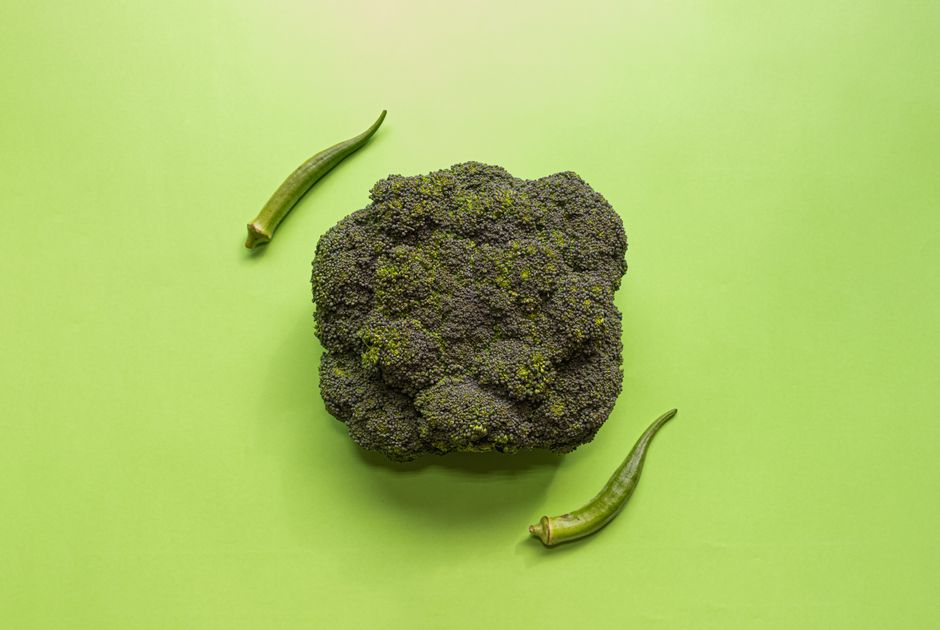
Broccoli is one of the lowest-calorie vegetables you can put on a plate. A cup of raw chopped broccoli contains about 31 calories. The same cup cooked and drained comes in around 55 calories, and the difference is mostly water loss during cooking, not added energy.
That small number is why broccoli shows up so often in weight management advice. You get a large volume of food for very little energy. But calories are only one part of the story. Broccoli also delivers fiber, vitamin C, vitamin K, and a group of plant compounds that researchers continue to study.
How Many Calories Are in a Cup of Broccoli?
Raw broccoli contains roughly 31 calories per cup, based on United States Department of Agriculture food data. That cup weighs about 91 grams when chopped.
Cooked broccoli is a different number. A cup of cooked, drained broccoli contains about 55 calories. The vegetable itself did not gain energy. Cooking drives off water, so the same volume of broccoli holds more actual plant tissue. If you cook broccoli and measure a cup, you are packing in more of it.
Here is a quick comparison of common forms:
| Form (1 cup) | Approximate calories |
|---|---|
| Raw, chopped | 31 |
| Cooked, drained | 55 |
| Frozen, chopped, cooked | About 55 |
| Steamed with no added fat | About 55 |
Those numbers assume plain broccoli. Butter, oil, cheese sauce, or creamy dressing can multiply the calorie count quickly. One tablespoon of butter adds about 100 calories. One tablespoon of olive oil adds about 120. The broccoli is not the problem in that scenario.
Why Does Cooked Broccoli Have More Calories Than Raw?
Cooking does not create calories. It concentrates them.
Raw broccoli is roughly 89 percent water. When you steam, boil, or roast it, some of that water leaves the plant cells. The fiber, protein, carbohydrate, and micronutrients stay behind. A cup of cooked broccoli therefore contains more broccoli than a cup of raw broccoli, even though the cup looks the same size.
This is a measurement quirk, not a nutritional one. If you eat 91 grams of raw broccoli or 91 grams of cooked broccoli, you get essentially the same energy. The confusion comes from comparing by volume instead of by weight.
The same principle applies to many vegetables. Spinach is an extreme example. A cup of raw spinach is almost nothing once cooked, because it collapses so dramatically.
What Nutrients Come With Those 31 Calories?
Broccoli is nutrient-dense, meaning it packs a meaningful amount of vitamins and minerals into very few calories. That combination is unusual in food.
A cup of raw broccoli provides:
- About 2.4 grams of fiber
- Around 81 milligrams of vitamin C, which is a large share of daily needs for most adults
- Vitamin K, in amounts that matter for blood clotting and bone health
- Folate, potassium, and small amounts of vitamin A
- Roughly 2.5 grams of protein
Broccoli also contains glucosinolates, sulfur-containing compounds that break down into substances like sulforaphane when the vegetable is chopped or chewed. Laboratory and animal studies have examined sulforaphane for its effects on inflammation and cell behavior. Human trial evidence is far more limited, and no clinical evidence currently confirms that eating broccoli treats or prevents any specific disease.
Vitamin K deserves a practical note. Broccoli is high in it. People taking warfarin and similar blood thinners are often told to keep vitamin K intake steady rather than avoid it. If you take one of these medications, talk to your clinician before making large changes to how much broccoli you eat. Consistency matters more than avoidance.





Is Broccoli Good for Weight Loss?
Broccoli supports weight management mainly through volume and fiber, not through any special fat-burning property. No food burns fat.
The mechanism is straightforward. Fiber and water add bulk and weight to food without adding many calories. That bulk stretches the stomach and slows how quickly it empties, which can influence feelings of fullness. Foods with low energy density tend to help people eat less overall, and research on dietary patterns consistently supports filling meals with vegetables.
Broccoli fits that pattern well. You can eat a large bowl of it for fewer calories than a single slice of bread. It also takes time to chew, which may slow eating and give fullness signals time to register.
What broccoli does not do is override a diet built on refined carbohydrates, added sugar, and excess fat. It is a helpful addition, not a solution on its own.
Does Cooking Broccoli Destroy Its Nutrients?
Some loss happens with any cooking method, but the picture is more favorable than many people assume.
Vitamin C is heat-sensitive and water-soluble, so boiling leaches it into the cooking water. Steaming and microwaving tend to preserve more vitamin C than boiling, because the vegetable has less contact with water. If you boil broccoli and discard the water, you are pouring out some nutrients.
Vitamin K and fiber are more stable. They hold up reasonably well across cooking methods.
One detail worth knowing: chopping broccoli and letting it sit for a few minutes before cooking may help preserve some of the compounds tied to sulforaphane. The enzyme responsible for producing them is destroyed by heat, but it can do its work during that resting period. This is a small effect and not a reason to change how you cook. It is simply a reason not to worry that cooking ruins everything.
Frozen broccoli is a reasonable option. It is typically blanched and frozen shortly after harvest, which locks in much of its nutritional value. In some cases frozen broccoli retains nutrients as well as fresh broccoli that has spent days in transit.
How Does Broccoli Compare to Other Vegetables?
Broccoli sits in the middle of the vegetable calorie range. It is not the lowest, and it is far from the highest.
| Vegetable (1 cup, raw) | Approximate calories |
|---|---|
| Celery, chopped | 14 |
| Spinach, raw | 7 |
| Broccoli, chopped | 31 |
| Carrots, chopped | 52 |
| Corn, kernels | 132 |
| Peas, raw | 118 |
Leafy greens and celery are lower in calories. Starchy vegetables like corn and peas are considerably higher, because they contain more carbohydrate. Broccoli lands in a useful spot: low enough in calories to eat freely, but substantial enough to feel like real food rather than a garnish.
Variety still matters. No single vegetable covers all your nutritional needs. Broccoli is a strong player on the team, not the whole team.
Does the Type of Broccoli Change the Calories?
Broccoli varieties differ slightly, but not enough to change your planning. Broccoli rabe, broccolini, and Chinese broccoli (gai lan) are related plants with somewhat different nutrient profiles. Broccoli rabe is slightly more calorie-dense per cup, and broccolini sits close to standard broccoli.
Broccoli sprouts are a separate case. They are harvested young and contain notably higher concentrations of glucosinolates than mature broccoli heads. Their calorie content is very low, but they are eaten in much smaller amounts, so they do not function as a bulk food the way a cup of chopped broccoli does.
For everyday purposes, the calorie difference between broccoli types is small. Prepare it the way you will actually eat it. A vegetable you enjoy eating beats one you avoid because it seems marginally better on paper.
Frequently Asked Questions
How many calories are in a cup of raw broccoli?
A cup of raw chopped broccoli has about 31 calories. That works out to roughly 34 calories per 100 grams.
Why does cooked broccoli have more calories than raw?
Cooking removes water, so a cup of cooked broccoli holds more plant tissue than a cup of raw. The vegetable itself does not gain energy.
Is broccoli good for weight loss?
Broccoli can help with weight management because it is low in calories and high in fiber and water, which support fullness. No single food causes weight loss on its own.
Does boiling broccoli remove its nutrients?
Boiling leaches some water-soluble vitamins, including vitamin C, into the cooking water. Steaming or microwaving tends to preserve more nutrients than boiling.
