
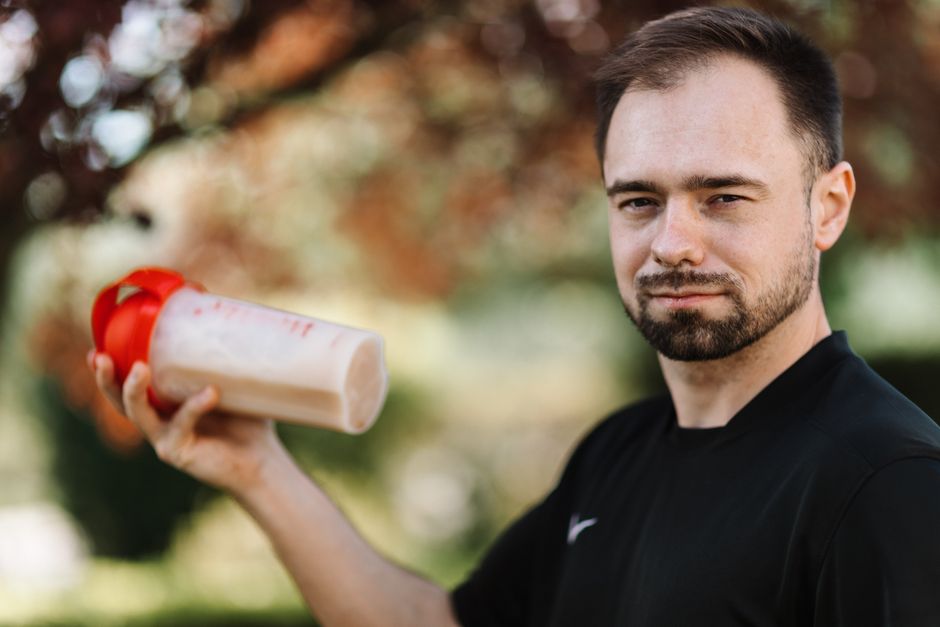
Pregnancy nutrition advice often comes with a side of fear, and protein shakes sit right in the middle of that fog. The short answer: Fairlife protein shakes are not known to be unsafe during pregnancy, but they are not specifically designed or tested for pregnancy, and they are not a substitute for prenatal care or a balanced diet. Most of the concern comes down to ingredients, caffeine, and how much protein you actually need — not the shake itself.
What Is in a Fairlife Protein Shake?
Fairlife shakes are ultra-filtered milk products. The filtration process concentrates milk protein and removes some of the lactose and sugar found in regular milk. A typical Fairlife Core Power shake contains roughly 26 to 42 grams of protein depending on the size, along with calcium and vitamin D from the milk base.
The ingredient list is short compared to many protein supplements. You will generally find milk protein concentrate, water, natural flavors, and a small amount of added sugar or a non-nutritive sweetener such as sucralose or stevia, depending on the specific product. Some versions include carrageenan, a thickener derived from seaweed.
That short list matters during pregnancy. Supplements with long ingredient lists — herbal extracts, proprietary blends, added stimulants — carry more unknowns. Fairlife’s base is milk, which is a food, not a novel compound.
Is Fairlife Protein Shake Safe For Pregnancy?
No ingredient in a standard Fairlife shake is known to be harmful in pregnancy at normal amounts. Milk protein, calcium, and vitamin D are all nutrients pregnant women need. The product is pasteurized, which removes the risk of listeria and other pathogens associated with unpasteurized dairy — a real concern in pregnancy.
That said, “not known to be harmful” is not the same as “studied and proven safe.” Fairlife has not run clinical trials in pregnant women, and no regulatory body has approved it specifically for pregnancy. This is true of most foods and drinks. It does not mean the product is dangerous. It means the evidence is about ingredients, not about the product as a whole.
Two ingredients deserve a closer look.
- Sucralose and other non-nutritive sweeteners. Regulatory agencies consider these acceptable in pregnancy within established daily intake limits. Some researchers have raised questions about how sweeteners affect the gut microbiome and infant metabolism, but human evidence in pregnancy remains limited and mixed. Occasional use is generally viewed as low concern.
- Carrageenan. Food-grade carrageenan is approved for use in food. Some laboratory and animal research has raised questions about intestinal inflammation, but human evidence linking food-grade carrageenan to harm is weak. In pregnancy specifically, there is no established risk at typical dietary amounts.
If you want the most conservative option, plain ultra-filtered milk or a shake with the shortest ingredient list is a reasonable choice. That is a preference, not a safety mandate.
How Much Protein Do You Actually Need During Pregnancy?
Pregnant women need more protein than they did before pregnancy, but the increase is smaller than most people expect. General guidance puts the additional need at roughly 25 grams per day above your pre-pregnancy intake, which for most women lands somewhere around 70 to 100 grams per day total, depending on body weight and activity.
Most American women already meet or exceed this through food. A Fairlife shake can help close a gap, but it is easy to overshoot without noticing.
Very high protein intake during pregnancy has not been shown to improve outcomes like birth weight or reduce complications in well-nourished women. In fact, some older research on high-protein supplementation during pregnancy found no benefit and, in some cases, suggested possible harm — though those studies used different forms and amounts than a daily shake. The takeaway is not that protein is bad. It is that more is not automatically better.
Food sources remain the preferred route because they bring fiber, folate, iron, and other nutrients a shake does not. A shake is a supplement to a diet, not a replacement for one.



Does Fairlife Protein Shake Contain Caffeine?
Standard Fairlife Core Power shakes do not contain caffeine. Fairlife also makes a line of “java” or coffee-flavored shakes that do contain caffeine from real coffee, typically in the range of a small cup of coffee per bottle.
This distinction matters. General clinical guidance recommends limiting caffeine during pregnancy to about 200 milligrams per day. A coffee-flavored shake could contribute a meaningful portion of that limit, especially if you also drink coffee or tea.
If you are choosing a Fairlife product during pregnancy, check the label for “coffee” or “caffeine” and treat those versions like any other caffeinated drink. The plain chocolate, vanilla, and strawberry versions do not carry this concern.
Are There Risks or Ingredients to Watch For?
The main practical risks with any protein shake in pregnancy are not unique to Fairlife.
- Added sugar. Some Fairlife shakes contain several grams of added sugar per bottle. Frequent use can add up quickly and crowd out more nutrient-dense foods.
- Sugar alcohols and fiber additives. Some protein products include these to lower sugar. In pregnancy, they can cause bloating or digestive discomfort, which is already common.
- Protein overload. Drinking multiple shakes a day on top of a normal diet can push protein well past what is needed, with no proven benefit.
- Allergy. Fairlife is a milk product. Anyone with a dairy allergy — not just lactose intolerance — should avoid it.
Lactose intolerance is different from a milk allergy. Fairlife’s filtration removes much of the lactose, so some people who are lactose intolerant tolerate it. That is a personal tolerance issue, not a pregnancy-specific one.
What Do Doctors and Guidelines Say About Protein Shakes in Pregnancy?
There is no official guideline that names Fairlife or any specific protein shake as recommended or discouraged during pregnancy. Major obstetric and nutrition organizations focus on total nutrient intake, food safety, and avoiding known hazards like unpasteurized dairy, high-mercury fish, and excess caffeine.
Within that framework, a pasteurized, milk-based protein shake fits without obvious conflict. Many clinicians tell patients that a protein shake is fine as an occasional or supplemental item, provided it is pasteurized and does not replace meals. That is common clinical practice, not a formal recommendation backed by pregnancy-specific trials.
If you have gestational diabetes, preeclampsia, kidney concerns, or any condition that affects how your body handles protein or sugar, ask your provider before adding shakes to your routine. The same applies if you are carrying multiples or have been advised to limit certain nutrients.
Better Alternatives to Consider
If you want protein with fewer unknowns, several options are simpler than a packaged shake.
- Plain Greek yogurt or cottage cheese — high protein, pasteurized, no added sweeteners.
- Eggs, cooked poultry, fish low in mercury, and legumes.
- Ultra-filtered milk on its own, which gives you the same milk protein base without flavorings or sweeteners.
- A plain whey or milk protein powder mixed into food or a smoothie, letting you control what else goes in.
None of these are required. They are simply lower-ingredient ways to get the same protein. If a Fairlife shake is what you will actually drink and it helps you meet your needs, that is a reasonable choice for most pregnant women without dairy allergy or a provider’s restriction.
Frequently Asked Questions
Is Fairlife protein shake safe to drink while pregnant?
It is not known to be unsafe, and its pasteurized milk base avoids the listeria risk of unpasteurized dairy. However, it has not been clinically tested in pregnant women, so safety is inferred from ingredients rather than proven for the product itself.
Can I drink Fairlife Core Power every day during pregnancy?
Occasional or daily use is generally considered low concern if it does not push your total protein far above your needs or replace meals. Check with your provider if you have gestational diabetes, kidney issues, or specific dietary restrictions.
Does Fairlife protein shake have caffeine?
The plain chocolate, vanilla, and strawberry versions do not contain caffeine. The coffee-flavored “java” versions do, and those count toward the recommended limit of about 200 milligrams of caffeine per day in pregnancy.
Is Fairlife protein shake safe if I have gestational diabetes?
It depends on the specific product and your blood sugar control, since some versions contain added sugar. Ask your provider or a dietitian before adding it, because guidance for gestational diabetes is individualized.
